






Inflation in Nigeria throughout 2024 has been nothing short of a turbulent ride. The monthly Consumer Price Index (CPI) trends reveal an economy struggling under immense pressure, with the average Nigerian consumer bearing the brunt. This analysis provides a month-by-month breakdown of inflationary trends, its causes, and how it affected lives across the country, enriched with voices of those who lived through the ordeal.
In January, inflation began the year at 21.5%, driven primarily by high food prices and fuel scarcity during the holiday season. Many households struggled to cope with skyrocketing transport costs and diminishing purchasing power. Jane Olowu, a schoolteacher in Lagos, lamented, “I used to buy a bag of rice for N22,000 last year; now it is over N30,000. How do we survive on this salary?”
From February to March 2024, specifically by March, inflation had edged up to 22.1%. The depreciation of the naira against the dollar made imported goods unaffordable, causing a ripple effect on the prices of staples like rice, flour, and cooking oil. The removal of fuel subsidies added to the woes, increasing transport and production costs.
“I have stopped buying milk and cereal for my kids,” said Nike Megbon, a trader in Surulere, Lagos. “We stick to garri and beans now. It is not enough, but what can we do?”
In the month of April 2024, a brief respite occurred as inflation dipped slightly to 21.8%, thanks to government efforts to stabilise fuel prices. However, food inflation persisted due to reduced agricultural productivity caused by widespread insecurity in farming regions. Consumers found little to celebrate. “Even though transport fares dropped a bit, food is still expensive,” said Blessing Eze, a civil servant in Enugu.
Within the period, May–June 2024, inflation surged to 23.3% in June, marking a critical period for consumers. The combination of rising energy tariffs and worsening naira exchange rates made it impossible for many households to maintain their standard of living. Protest movements began gaining traction as citizens voiced their frustration.
“The government promised that fuel subsidy removal would bring benefits, but all we see are higher costs,” said Olumide Adenekan, a taxi driver in Mowe, Ogun State. “I’ve had to increase my fares, and passengers are complaining. It’s a lose-lose situation.”
Tracking the inflationary rate from July–August 2024, Daily Independent gathered that by August, inflation peaked at a staggering 24.8%, the highest level recorded in the year.
Food prices were at an all-time high, with rice selling for nearly N40,000 per bag in urban markets.
Government palliatives, such as cash transfers and subsidized rice, failed to alleviate the pain for most citizens. Many middle-class families were pushed closer to poverty.
“I never thought I’d be unable to afford three square meals,” said Edith Nwosu, a small business owner in Ogba, Lagos. “Now, I have to ration food so my children can eat twice a day.”
Still in a similar vein, in September 2024, inflation dipped slightly to 23.5% in September, aided by improved forex inflows and targeted government interventions. However, this marginal improvement offered little relief as back-to-school expenses piled up. Higher energy tariffs further compounded the woes of families.
“School fees are my biggest headache,” said Samuel Onu, a father of three in Benin-City. “With the rising cost of living, I’m not sure I can keep my children in their current schools.”
From the period, October to November 2024, inflation stabilize at 23.0%. Festive season shopping was subdued as consumers adopted a cautious approach. The prices of proteins and vegetables surged, forcing many households to alter their diets significantly.
“My family hasn’t had chicken in months,” said Funmilayo Adebayo, a hairdresser in Mowe, Ogun State. “We rely on beans and yam because that’s all we can afford.”
In December 2024, inflation ended the year at 22.7%, offering a faint glimmer of hope. Analysts attributed this decline more to statistical base effects than substantive economic recovery. However, consumers remained skeptical about the future.
“We’ve heard promises of better days too many times,” said Segun Adeyemi, a retired teacher in Ikeja, Lagos State. “Until prices actually come down, we’re not celebrating anything.”
Given the foregoing inflationary market situation, it was not surprising that wages remained stagnant throughout the year while inflation soared, eroding the real value of earnings. Families reported buying smaller quantities of essential goods and abandoning non-essentials altogether.
“It feels like every month, our money buys less,” said Nkechi Ugo, a nurse in Aba. “We’ve stopped thinking about savings; it’s just about surviving now.”
Expectedly, there was an unprecedented rise in hunger across the land. A World Bank report estimated that over 30 million Nigerians faced food insecurity in 2024 due to skyrocketing food prices. This figure was exacerbated by poor harvests and supply chain disruptions.
“Children in my neighborhood are looking thinner,” noted Pastor Emeka Nwankwo in Owerri. “Many families can’t afford milk, eggs, or even garri anymore.”
The situation, no doubt, necessitated lifestyle changes. Families abandoned luxuries like dining out, private schooling, and car ownership, even as public transportation became the norm for many previously middle-class citizens.
“I had to sell my car to pay rent,” said Musa Idris, a bank worker in Bauchi. “Now I take public buses, which is another headache with the high transport fares.”
In the areas of health and social costs, the economic hardship took a toll on physical and mental health. Malnutrition cases surged as proteins and fruits became unaffordable luxuries. Stress-related illnesses also increased, reflecting the psychological burden of economic challenges.
“The hospital is full of patients suffering from high blood pressure,” said Dr. Stanley Alabi, a medic. “Many of them say it’s due to the cost of living.”
Against the foregoing backdrop, not a few concerned Nigerians are offering policy recommendations for recovery, particularly by reviving agriculture, stabilising the Forex, expanding welfare programs as well as further reviewing the minimum wage.
Comprehensively put, not a few people have suggested that the government must prioritize mechanized farming and enhance rural security to boost food production as well as providing subsidies for fertilizers and seeds would also help farmers increase output.
In a similar vein, suggestions that policies to stabilise the naira should focus on boosting local manufacturing and reducing dependency on imports have been made, even as they encouraged the government to focus on export-driven industries since they can also improve forex inflows.
In a similar vein, there have been suggestions that say social welfare programs need to be monitored to ensure that resources genuinely reach the most vulnerable populations. Transparency and accountability are crucial.
Also in a similar vein, despite the fact that the minimum wage was recently increased, suggestions are been made that it should be further reviewed as the ₦70,000 per month it was pegged to in July 2024 was widely considered to be unsustainable.
It would be recalled in this context that this is an increase from the previous minimum wage of ₦30,000, which had been in place since April 2019.
As gathered by Daily Independent, not a few consumers, whose views were ostensibly influenced by pricey market condition, agreed that a review of the minimum wage is essential to align wages with inflation as they were unanimous in their views that this will help restore consumer purchasing power and provide a safety net for workers.
Without a doubt, the year 2024 was a challenging one for Nigerian consumers, marked by rising inflation, shrinking purchasing power, and widespread hardship. While some government measures provided momentary relief, much more needs to be done to address the root causes of economic instability.
As we grapple with the challenges that are currently driving 2025, the hope is that targeted policies and structural reforms will pave the way for a more equitable and prosperous Nigeria.
The resilience of Nigerian consumers remains a testament to their enduring spirit, but it is high time their sacrifices were met with meaningful change.
In as much as not a few Nigerians have been weathering the inflationary storm, it is unfortunate that the situation has worsened as the current inflationary rate stands at 34.8%, sparking rising fears of hardship.
As recently gathered, Nigeria’s inflation rate reached 34.8% in December 2024, up from 34.6% in November, triggering widespread concerns about increasing prices and economic hardship. According to the National Bureau of Statistics (NBS), the uptick was driven by heightened demand during the festive season. This figure marks a significant year-on-year increase from 28.92% in December 2023.
The private sector has expressed alarm, citing the rising cost of production, raw materials, and logistics as challenges that could lead to reduced consumer purchasing power and higher inventory for manufacturers.
Segun Kuti-George, The National Vice President of the Nigerian Association of Small-Scale Industrialists, highlighted the vicious cycle of rising production costs and diminished competitiveness of local goods.
Urban inflation outpaced rural inflation, with rates of 37.29% and 32.47%, respectively. Food inflation, a significant contributor, surged to 39.84% year-on-year, exacerbated by price increases in staples such as rice and maize. Rising energy and transportation costs further fueled the inflationary trend.
Economic experts argue that Nigeria’s inflation is cost-push in nature, driven by high input costs rather than excess demand.
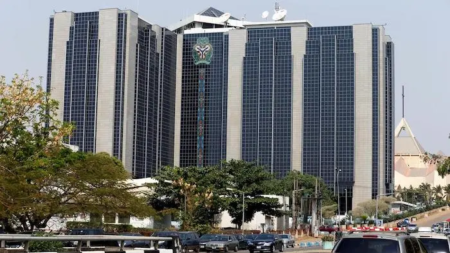
Olusola Obadimu, the Director-General of the Nigeria Association of Chambers of Commerce, Industry, Mines, and Agriculture, criticised the Central Bank of Nigeria’s (CBN’s) monetary tightening measures, which have proven ineffective in addressing this type of inflation.
Proposals for curbing inflation include improving infrastructure, reducing public debt, promoting local competitiveness, and revisiting fiscal policies.
Dr. Muda Yusuf of the Centre for Promotion of Private Enterprise (CPPE) emphasised the need for fiscal discipline and a balanced approach to revenue generation.
Read the full article here