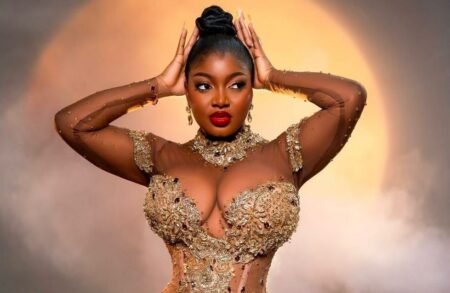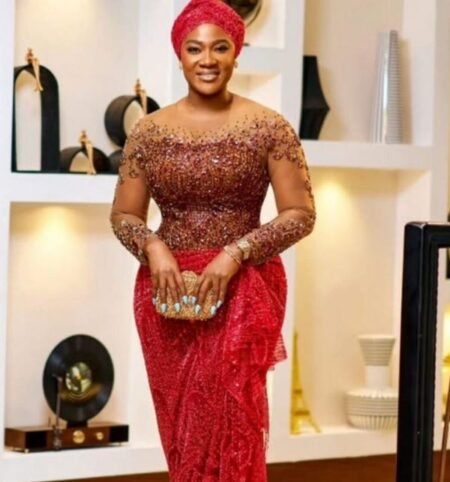






Nigerian celebrities David Adeleke, Dakore Akande, Zulu Oyibo and Idris Olorunnibe have called for more robust creative exports, cultural exchanges, joint productions, and better support for the entertainment industry.
Their advocacy was made known at an event in Lagos on Monday, organised by the President’s Advisory Council on African Diaspora Engagement in the United States (PAC-ADE).
The event aimed to “foster connections” and discussions on diaspora-led investments in education, entrepreneurship, health, technology, youth and women’s empowerment, and the creative industries.
US President Joe Biden and US Secretary of State Anthony Blinken announced in September 2023 that the PAC-ADE will advise on ways to strengthen cultural, social, political, and economic ties between African communities and the African Diaspora.
Although it is PAC-ADE’s first visit to the African continent, this event marks the council’s second meeting of the year.
Highlights
The event featured panel sessions, networking opportunities, and speeches from the US Advisory Council board members.
Panelists dissected various topics and fielded questions from the audience. The discussions underscored the importance of collaboration, government support, and infrastructure development in advancing Nigeria’s creative industries on the global stage.
Afrobeats star Davido, speaking on the vision of the African music industry, highlighted the global impact of Afrobeats.
“It’s good to come back home. Nigerian artistes’ songs are being played abroad on radio stations and in malls. We are now selling the same tickets as Drake and Chris Brown. There is something special here that we have. One song in Nigeria can change your generation. Nigerian artists now get visas easily; they travel around Europe. They are changing the narrative of being African in the world. Music from Africa is changing the narrative,” he said.
Dakore emphasised the need for a level playing field and joint production between the US and Nigeria.
“We need joint productions and co-productions between the US and Nigeria,” she stated.
“American actors now want to be in our films, just as we’ve always wanted to be in Hollywood. There are real barriers, so we must intentionally make this happen. It’s about creating avenues for talent exchange programmes for actors, directors, writers, and other creative professionals to work and learn in each other’s industries, thus transferring skills.”
More highlights
Ms Oyibo, an award-winning film producer from Inkblots Production, called for government support to emulate the success of the Korean film industry.
“Our films must tell stories that resonate with Nigerians locally and in the diaspora. We’ve seen how the Korean film industry has blown up with great support from their government. We need the same support here. Do what you are doing well but upscale; you can’t do mediocrity and expect international platforms to jump in,” she said.
Mr Olorunnibe, CEO of Temple Company and Ogidi Studios, stressed the importance of infrastructure and talent.
“Everyone has to play their part for us to reap results. Without the diaspora, we wouldn’t be as well-known. Consuming content among foreigners helps spread the gospel of African talent. Two deficits need to be addressed: infrastructure and talent. We need the business side of skills. Maybe we can float a diaspora fund as an intervention into the creative industry. Let us develop the infrastructure that will build the industry,” he said.
The audience raised concerns about obstacles for Nigerian talents to access international platforms, including work permits, visa support, and trade agreements.
Challenges regarding the reputation and representation of the country for visa support were also discussed. Other issues included funding, talent training, and content monetisation in the Nigerian music industry, particularly on social media platforms.
Organisers remarks
In his remarks, the US consul, Will Stevens, pointed out the importance of building on existing relationships.
He said, “The connections between Nigeria and the United States are built on the foundation of all the work everyone has put in. President Biden created the US Advisory Council for African Diaspora Engagement to strengthen cultural, social, political, and economic ties.
“We need African solutions to African problems and unleash the potential here to address the issues we all face.”
Deniece Laurent-Mantey, the Executive Director of the US President’s Advisory Council, spoke on the pivotal role of the African diaspora in amplifying the continent’s music, art, and culture.
“Artists have become architects of change, building bridges and connecting diverse cultures and communities.
“Filmmakers are illuminating narratives left in the shadows for too long. This event serves as a platform to ensure creative voices are louder, their stories reach farther, and their impact continues to shape the global narrative,” she said.
Arun Venkataraman, the US Assistant Secretary for Commerce for Global Markets, highlighted the potential of Nigeria’s creative industries. “The arts, film, fashion, and music industries are some of the most significant, dynamic, and innovative globally. Beyond the economic impacts they have on our societies, we know they also have the power to change how we see each other and the world. Creative industries find a way to bring people together despite the differences that too often seem to divide us. Few industries and businesses can boast the power to inspire and connect people.
“The creative industries have the potential to become the country’s largest export sector, creating an estimated 2.7 million jobs by 2050 and adding $100 billion to Nigeria’s GDP by 2030.
“They employ more young people aged 15 to 29 than any other sector, with women constituting nearly half of the workforce. We must support a sector that offers equitable opportunities for everyone, from operating technology in music studios to carpentry on film sets.
“These are important jobs the creative economy runs. Offer opportunities for those who may not have a four-year college degree and have the potential for upward mobility. Federal initiatives that support job training, upskilling, and reskilling opportunities, especially in digital literacy, are crucial ways to empower those who want to enter this inclusive and thriving industry,” Mr Venkataraman stated.
The well-attended event drew participants from various sectors of Nigeria’s creative industry, including notable celebrities such as Deyemi Okanlawon (Deyemitheactor), music producer ID Cabasa, ex-BBN housemate Kim Oprah, actor Williams Uchemba, content creator Tobiszn among others.
Read the full article here