








At least 56 people have been killed and more than 17,000 residents displaced after suspected Boko Haram fighters attacked three communities in Borgu Local Government Area of Niger State, according to a situation report by the United Nations Children’s Fund (UNICEF).
The insurgents reportedly stormed Konkoso, Tungan Makeri and Pissa villages on 14 February, killing residents “predominantly men and young boys,” while abducting dozens of women and children, including health workers.
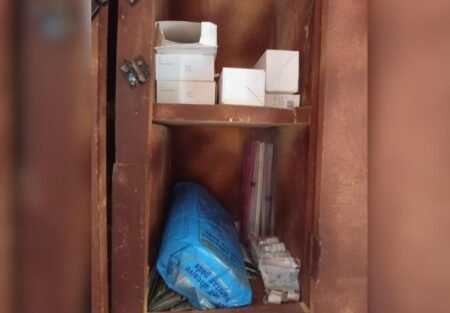
The report noted that primary health centres were crippled, including cold chain equipment critical for immunisation, further straining services for displaced families.
It also warned that the attack has forced many into displacement camps and host communities, with large family units up to 55 members sheltering with relatives, or in worship places and in private homes, schools and health facilities.
“176+ women and children are confirmed in a circulating Boko Haram video, documenting the scale of abductions and the elevated protection crisis for vulnerable populations in the region,” the report stated.
Health system devastated
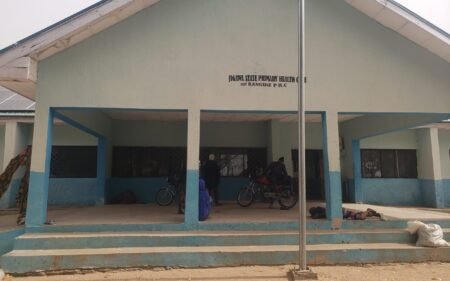
According to the report, primary health centres in the affected communities were burned during the raid, while solar-powered vaccine refrigerators and vaccine carriers procured by UNICEF were looted.
The refrigerators, which cost about $7,000 each, are essential for maintaining vaccine cold chains in remote communities.
Their destruction, according to the report, has “devastated cold-chain and immunisation capacity” in the area.
UNICEF warned that the destruction of cold-chain equipment has put roughly 2,000 children under the age of five at acute risk of malnutrition and vaccine-preventable diseases.
Initial assessments also identified large numbers of malnourished and unimmunised children among displaced families.
Maternal health risks, displaced communities
The report stated that more than 100 pregnant women are currently living in temporary shelters without access to adequate medical care.
According to the report, more than 17,000 internally displaced persons (IDPs) are now spread across communities, including Wawa, Babana and Sokon Bara/Kasuwan Daji.
It added that many displaced farmers have relocated to New Bussa after fleeing their villages, noting that two displacement sites have been established in Wawa and Bussa, but the majority of affected residents are staying with relatives or in temporary shelters.
“Some families consist of as many as 55 members, placing heavy pressure on host communities already struggling with limited resources,” it said.
“Many displaced residents are sleeping on bare ground, with pregnant women and children facing severe hunger, and no external relief has been provided to date.”
The report added that humanitarian response efforts have been hampered by widespread insecurity in the region with several armed groups believed to be operating across the Kainji Forest belt surrounding Borgu LGA.
It identified factions linked to Boko Haram, as well as other armed groups such as Ansaru and Lakurawa militants.
As a result, humanitarian agencies can only access two of the 10 wards in Borgu LGA.
The report indicated that travelling from Minna to the affected communities requires crossing about 50 kilometres of forest areas believed to be under the control of armed groups.
It said in some cases, aid workers may require helicopter access to reach isolated locations.
Although security forces have conducted aerial reconnaissance and deployed personnel following the February attacks, the report noted that a sustained security presence is still lacking in many of the affected communities.
Children risk learning loss
The insecurity has also disrupted education across the LGA as schools in eight out of the 10 wards in Borgu remain closed.
This has left hundreds of displaced children at risk of prolonged learning disruptions.
The report warned that some students could miss national examinations unless special arrangements are made.
ALSO READ: UNICEF records 14 million Nigeria birth registrations in two years
To address the situation, UNICEF said they are working with the Niger State education authorities to introduce radio and online learning for affected children.
“The federal government is being engaged to guarantee that displaced learners in Borgu LGA are not excluded from upcoming national examinations, with equity measures under active development.”
Humanitarian and child protection concerns
Beyond the security situation, UNICEF say living conditions in the displacement sites remain extremely poor as most locations lack potable water, toilets and handwashing facilities.
This, it says, has forced many residents to practice open defecation, increasing the risk of disease outbreaks.
The report also warned of worsening hunger among displaced families, particularly pregnant women and young children.
The report also highlights a growing child protection crisis stating that unaccompanied and separated children urgently require family tracing, reunification and alternative care, amid widespread hunger and psychological distress.
UNICEF says its teams are working with local authorities to document abduction cases, provide psychosocial support and mobilise community actors to assist displaced families.
The report warns that without immediate intervention, vulnerable children could face prolonged separation from families, malnutrition, and heightened exposure to exploitation and abuse.
Read the full article here