







8
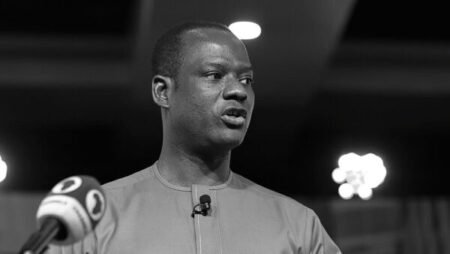
The Commissioner of Finance, Kaduna State, Ibrahim Tanko Mohammed, has declared that the state has sustained efforts to drive financial inclusion in major milestones.
Ibrahim Tanko hinted that account ownership increased by 20% in 3 years, adding more than 800,000 adults to the formal economy.
Speaking in an interview with newsmen the Commissioner said financial inclusion in Kaduna State now reaches 66% of the resident population noting that Kaduna grew at 6.67% per year over 2021-2024 (over 20% total) while Nigeria overall grew at only 2.67% per year over a similar period.
He revealed that more than 2.5 million accounts were opened; with more than 800,000 adults joining the banking system for the first time; women’s inclusion climbed from 38% to 47%; and agent banking expanded to over 2,800 active agents statewide.
He stressed that a homegrown effort was crucial to these gains adding that Kaduna’s Financial Inclusion and Literacy Committee deployed state-led enrolment drives and built its own software linking 7.9 million NINs with BVNs. This was the highest per-capita NIN registration rate among Nigeria’s 36 states. He said”.
“These achievements, and the lessons behind them, are detailed in the state’s new report, “The Last Mile: Kaduna’s Financial Inclusion Journey,” released today.
“We are proud of how far Kaduna has come, millions now have access to formal financial services for the first time. The next phase is about turning that access into real empowerment. Our ambition is clear: to ensure that more and more citizens use these tools in ways that strengthen their livelihoods, their resilience, and their connection to government services.
Continuing, he buttressed that Kaduna State is building a digital economy that works for everyone, and every individual in the state,”
Narrating how the state was able to achieve this great feat, Mohammed said the state adopted People-focused, practical, and proactive measures.
“When the Kaduna State government introduced social safety net programmes following the outbreak of the Covid-19 pandemic in 2020, it faced a challenge: more than half of residents lacked bank accounts to receive funds.
He identified three underlying reasons for its low financial inclusion stating that identity management was siloed with state and federal databases being disconnected from each other; identity verification and bank account registration were slow and depended on manual processes; and physical bank branches were too far away from residents.
He noted that the state also imbibed financial inclusion to improve the material well-being of Kaduna residents.
The Commissioner further hinted that the state digitised government payments (pensions, farmer subsidies, emergency cash transfers) to help improve the lives of residents, create demand for bank accounts, and lead to higher account usage.
He affirmed that the state intermediated between the federal government and banks to solve infrastructure gaps stressing that In 2021, the state built software to link the state identity management agency (KADRIMA) as records with NINs were then pushed to banking systems to register BVNs.
Highlighting the challenges to financial inclusion remain, he said there is a stark gender gap in bank account ownership. Only 53% of women are financially included as compared to 71% of men, a 18% gap.
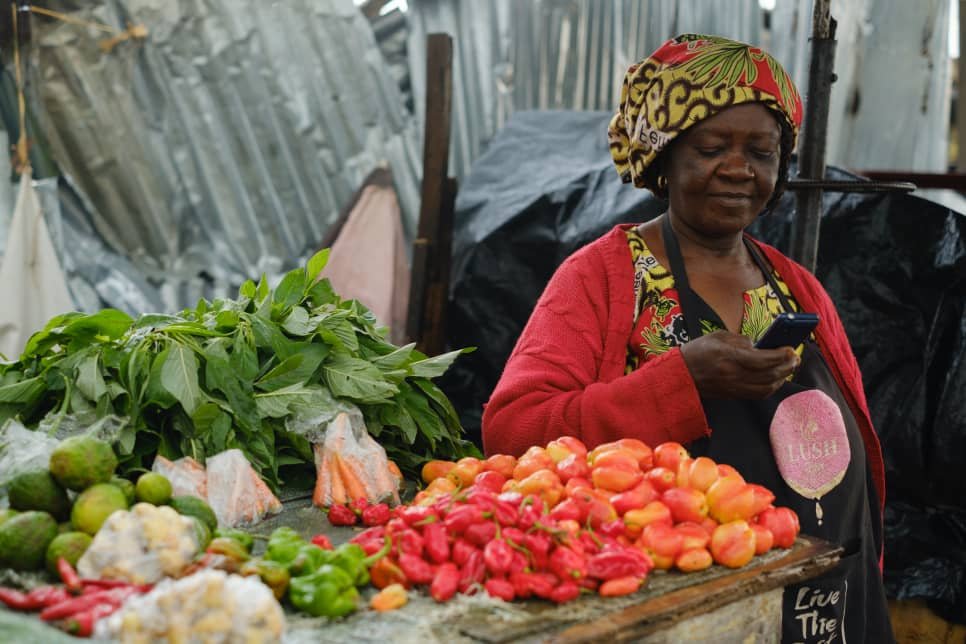
This reflects lower handset ownership; poor digital literacy; persistent safety and cultural issues that block uptake; and a lack of utility as bank accounts are not designed for small informal traders.
Going from financial inclusion to creating real value in people’s lives also requires sustained efforts. Only 38% of the 2.5 million opened accounts were actively used with more than 3 transactions per month. Only 11% have access to credit, insurance and investment products.
While revealing Kaduna’s State’s 2025-2026 Financial Inclusion Strategy Roadmap, he said the state will focus its efforts on five areas such as Financial Literacy and Awareness – Promoting knowledge of benefits and consumer protection through schools and community programmes.
He said the state will drive inclusive Access to Financial Services by expanding access to affordable financial services including savings, credit, insurance, and payments for households, women, youth, smallholders, and MSMEs.
“Identity Integration and Easy Account Enrolment – Making account opening and access to services easier by linking state enrolment points with national ID systems and simplifying onboarding processes. Infrastructure and Systems – Improving digital connectivity at state service points, strengthening the ability of ministries, agencies, and local governments to plan, coordinate, and monitor initiatives, and creating conditions that support agriculture and MSMEs.
Read the full article here