






Nigeria’s ability to detect and respond to disease outbreaks is under threat as funding disruptions weaken critical public health systems, a new report reveals.
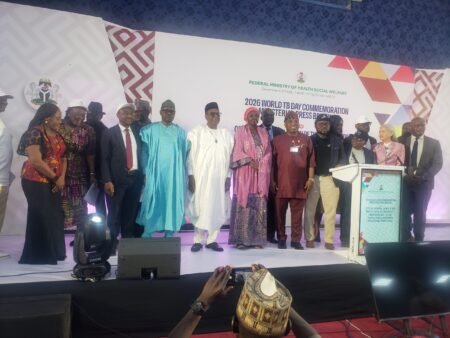
The report, “A System in Transition: Nigeria Country Report,” was formally presented on Wednesday in Abuja by Resolve to Save Lives (RTSL), a global health organisation.
It warns that key components of Nigeria’s health security architecture, including disease surveillance, laboratory services and specimen transport systems, are increasingly vulnerable as external funding declines and domestic financing gaps persist.
System under pressure
Speaking at the event, the Executive Director of RTSL Nigeria, Nanlop Ogbureke, said the report comes at a “defining moment” for the country’s health sector.
Ms Ogbureke described the assessment as both a diagnostic and a guide, highlighting the current state of Nigeria’s health security system while pointing to decisions that will shape its future.
According to the report, Nigeria has benefited from years of donor investments that strengthened institutions and expanded technical capacity.

However, recent disruptions in external financing, particularly from the United States, have exposed the fragility of systems built around disease-specific programmes and parallel funding streams.
“When funding shifts, the cracks widen,” she said.
The report finds that although donor funding has remained relatively stable in the short term, the window is narrowing, and decisions taken now will determine whether Nigeria consolidates or further fragments its health systems.
Recent global funding cuts, particularly USAID programme suspensions, have exposed gaps in Nigeria’s health system, affecting HIV response, maternal services, and critical functions like surveillance and laboratories.
Surveillance, labs at risk
The report highlights early signs of strain across critical systems. Funding disruptions are already affecting surveillance coverage, laboratory turnaround times, workforce stability and overall preparedness, particularly at the state level where outbreaks are first detected and managed.
It also highlights structural inefficiencies, including multiple parallel digital surveillance platforms and disease-specific laboratory and transport networks that increase costs without improving outcomes.
Despite these challenges, the report notes that Nigeria already has the building blocks of a resilient health system, but lacks the coordination and integration needed to make it effective.
“The challenge is not capacity, but coherence, collaboration and coordination,” the RTSL executive director said.
States feel the impact
State-level officials say the impact of funding disruptions is already being felt. In his comments, the State Epidemiologist in Kaduna, Jeremiah Daiko, said the report comes at a critical time when strengthening health systems has become a priority.
“This is coming at a time when donor funding has decreased significantly, so we must begin to look inward to support surveillance, laboratories and outbreak response,” Mr Daiko said.
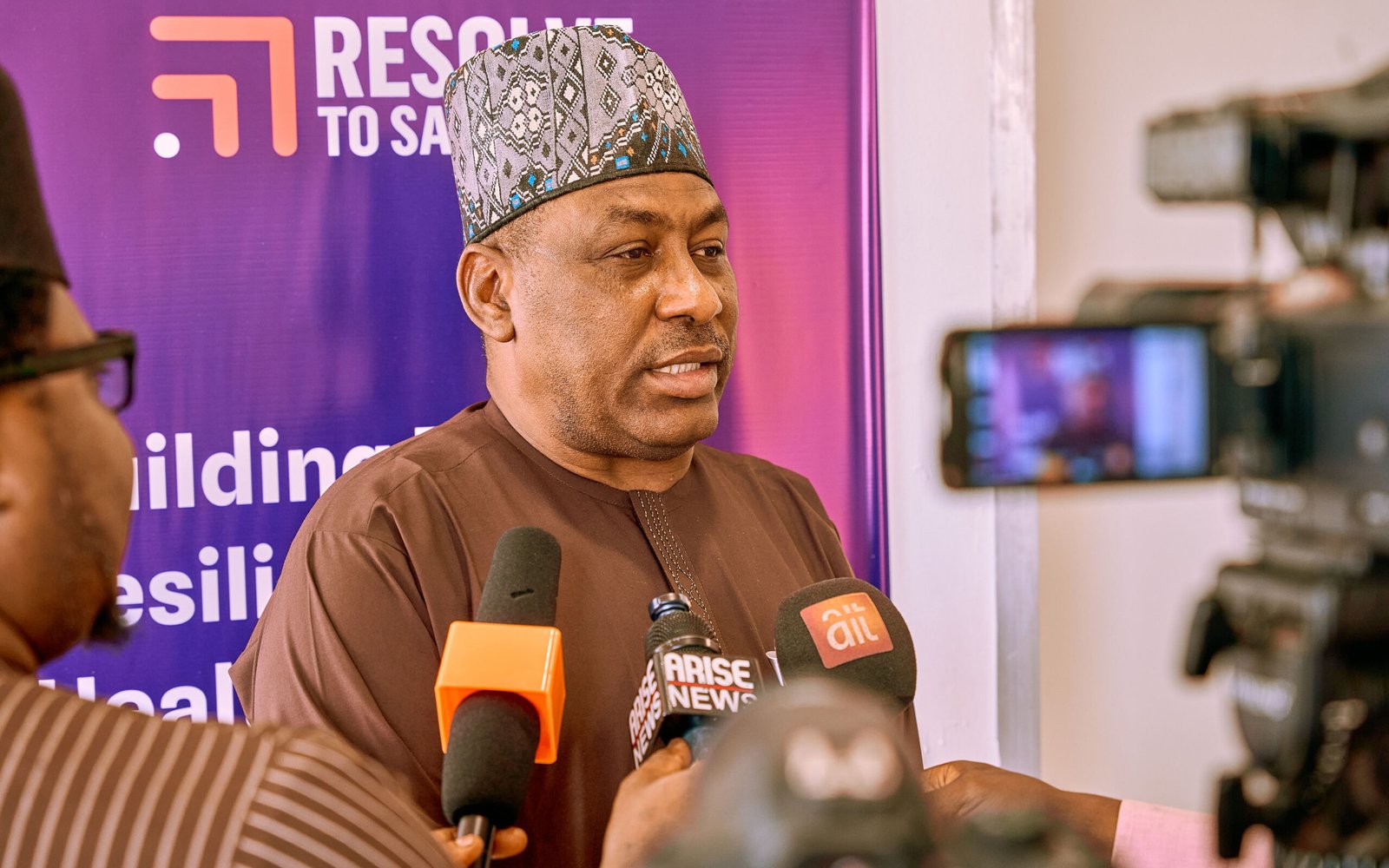
Similarly, the Director-General of the Kano State Centre for Disease Control, Muhammad Abbas, said subnational agencies are vulnerable to the disruptions.“For an agency responsible for preventing and responding to epidemics, we will naturally be affected by these disruptions,” Mr Abbas said.
Mr Abbas noted that Kano is exploring ways to become more self-sustaining and urged other states to develop similar strategies.
“If you are safe and your neighbour is not, you are still not safe,” he added.
Call to look inward
Beyond the immediate risks, stakeholders at the event described the current situation as an opportunity for reform.
A public finance expert, Udeme Edumoh, said declining donor funding should push Nigeria to rethink how it finances and manages its health system.
Ms Edumoh described the development as “a blessing to Nigeria”, arguing that Nigeria must address inefficiencies, poor budget implementation and fragmented programmes.
“There is a lot of inefficiency in the system,” she said. “We need to look at what our money is achieving, not just what is being spent.”
She also stressed the need to move away from vertical disease programmes towards more integrated service delivery, where multiple health needs are addressed within a unified system.
Opportunity for reform
The report identifies several opportunities for strengthening Nigeria’s health security system.
These include integrating surveillance, laboratory and logistics systems to reduce duplication and improve real-time decision-making, as well as developing a national specimen transport network that supports both routine healthcare and emergency response.
READ ALSO: Tinubu tasks traditional, religious leaders on fight against preventable diseases
It also highlights the need to stabilise and professionalise the public health workforce, particularly as donor-funded roles face uncertainty, and to strengthen emergency operations centres at national and state levels.
Ms Ogbureke said these reforms align with Nigeria’s National Action Plan for Health Security (NAPHS) and ongoing financing initiatives, including support from the World Bank and other partners.
She noted that the report should serve as a wake-up call for the country.
“We cannot continue to outsource our health,” she said. “Sustainability must be at the centre of everything we do.”
Read the full article here