





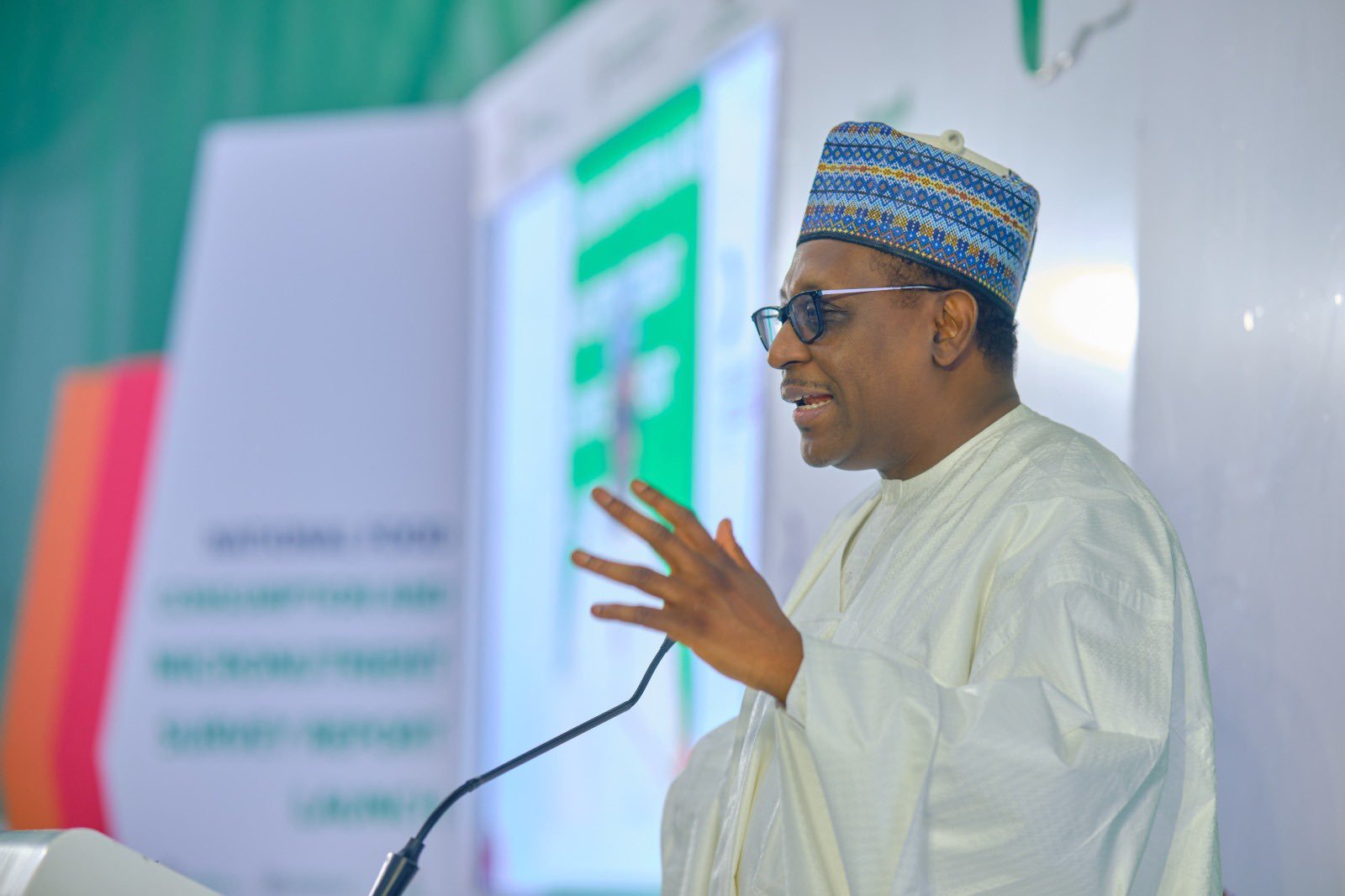
The Coordinating Minister of Health and Social Welfare, Muhammad Pate, has dismissed growing speculation that he intends to contest the Bauchi State governorship in 2027.
Mr Pate said his full attention remains on implementing health sector reforms under President Bola Tinubu’s administration.

He made the clarification on Sunday during an interview on Channels Television’s Politics Today, where he was asked directly about recurring discussions linking him to Bauchi State politics.
Mr Pate said he is 1,000 per cent focused and committed to delivering on the president’s health transformation agenda.
Tinubu agenda
Mr Pate stressed that he remains firmly aligned with President Tinubu’s reform agenda and is committed to ensuring its success, particularly in the health sector.
He added that he does not “lose sleep” over political offices, noting that his priority is to consolidate the reforms already underway in the health sector.

“My focus is to deliver the work we have started, which is already beginning to make an impact,” he said.
‘No immediate political ambition’
Responding to suggestions that his profile and national exposure make him a natural contender for the state’s top political office, Mr Pate said he harbours no immediate personal ambition to seek elective office.
According to him, any future political role would depend on the direction of his party, the All Progressives Congress (APC), and consultations with key stakeholders.
ALSO READ: Yobe wins PHC leadership challenge as states advocate health reforms
“Time will come, and it will be when the party, the president and other stakeholders determine what is to be done,” he said.
Other issues
Mr Pate also addressed several other matters during the programme, including the recent doctors’ strike and its impact on healthcare delivery.
He highlighted progress in reducing maternal and newborn deaths and the expansion of health insurance coverage, stressing that more Nigerians now have access to essential services.
He discussed ongoing reforms in the health sector, citing improvements in primary healthcare services and utilisation, immunisation campaigns, and disease prevention.
He also drew comparisons with healthcare systems in other countries, emphasising the challenges and opportunities of implementing reforms in Nigeria’s unique context.
Read the full article here