






Nigeria recorded 206 deaths from Lassa fever in 2025 as of epidemiological week 51, according to the Nigeria Centre for Disease Control and Prevention (NCDC).
Despite a decline in reported infections, the disease’s case fatality rate (CFR) rose to 18.4 per cent, higher than the 16.4 per cent recorded during the same period in 2024.
The agency disclosed this in its latest Lassa Fever Situation Report, covering 15 to 21 December 2025.
According to the report, 21 new confirmed cases were recorded in week 51, representing a decline from 28 cases in the previous epidemiological week.
The cases were reported in Bauchi, Ondo, Taraba, Edo, Kogi, Ebonyi and Plateau states, spanning 14 local government areas.
Within the same week, five deaths were recorded among confirmed cases, resulting in a weekly CFR of 23.8 per cent.
Cumulative burden in 2025
Cumulatively, Nigeria recorded 1,119 confirmed cases, nine probable cases, and 9,270 suspected cases across 21 states and 105 local government areas as of week 51, 2025.
The NCDC noted that while the number of suspected and confirmed cases declined compared to 2024, the fatality rate increased, largely due to the late presentation of patients at health facilities.
By contrast, during the same period in 2024, Nigeria recorded 1,237 confirmed cases, 20 probable cases, and 203 deaths across 28 states and 139 LGAs, with a lower CFR of 16.4 per cent.
Four states account for most infections
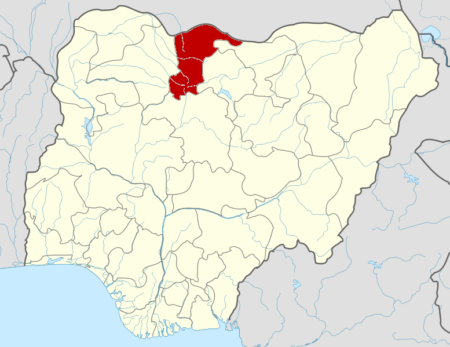
The report showed that 88 per cent of all confirmed Lassa fever cases in 2025 were reported from four states, Ondo, Bauchi, Edo and Taraba.
Ondo accounted for 35 per cent of confirmed cases, followed by Bauchi (25 per cent), Edo (16 per cent) and Taraba (12 per cent). The remaining 12 per cent of cases were spread across 17 other states.
The NCDC said the most affected age group remains those aged 21 to 30 years, with patients ranging from one to 96 years and a median age of 30 years.
The male-to-female ratio among confirmed cases was 1:0.8, showing slightly higher infections among males.
The agency added that no healthcare worker was infected during the reporting week.
Challenges and recommendations
The NCDC identified late presentation of cases, poor health-seeking behaviour driven by high treatment costs, poor environmental sanitation, and low awareness in high-burden communities as key factors contributing to the high fatality rate.
It urged state governments to intensify year-round community engagement on Lassa fever prevention.
It called on healthcare workers to maintain a high index of suspicion and initiate timely referral and treatment, and emphasised the need for stronger state capacity to prevent, detect and respond promptly to outbreaks.
READ ALSO: NCDC warns of Lassa fever, meningitis, foodborne diseases during festive season
Lassa fever
Lassa fever is an acute viral haemorrhagic illness caused by the Lassa virus, which is transmitted to humans primarily through contact with food or household items contaminated by the urine or faeces of infected rats.
It can also spread from person to person through contact with bodily fluids.
The disease often begins with fever, weakness, and headache, and may progress to more severe symptoms such as bleeding, difficulty breathing, swelling, and organ failure.
Early diagnosis and prompt treatment with Ribavirin are critical for improving survival.
Read the full article here