




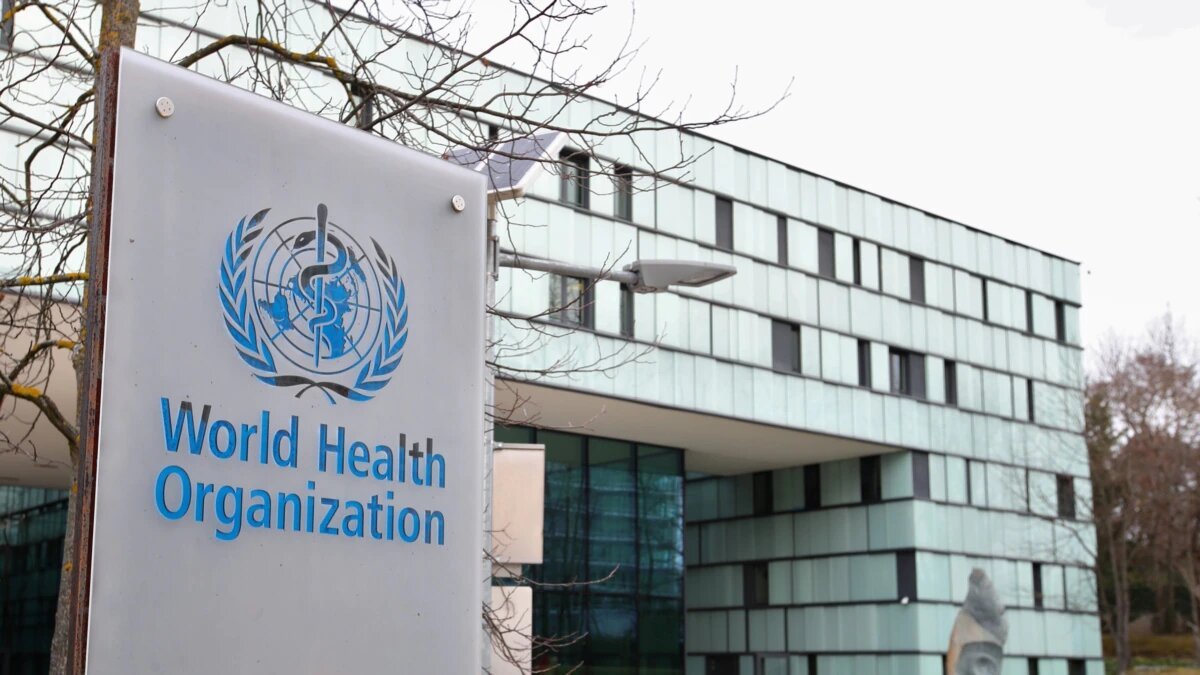
The World Health Organisation (WHO) has reported that escalating conflict across the Middle East has displaced more than four million people and triggered widespread attacks on healthcare.
In its latest global situation report released on 9 April, the health agency warned that the crisis is deepening humanitarian needs across several countries, with health systems increasingly under pressure.
According to the report, Iran has recorded about 3.2 million displaced persons, while Lebanon has over 1.4 million (1,049,328) displaced people.
Casualty figures across affected countries also remain high. Iran reported 32,314 injuries and 2,362 deaths, while Lebanon documented 5,873 injuries and 1,739 deaths.
Iraq recorded 300 injuries and 109 deaths, while Israel reported 7,183 injuries and 24 deaths.
The organisation noted that the figures remain estimates and may change due to evolving data.
Attacks on healthcare
The WHO said attacks on healthcare facilities and personnel have increased significantly across the region, particularly in Lebanon.
It confirmed 106 verified attacks on healthcare in Lebanon, resulting in 158 injuries and 57 deaths among health workers and patients. Iran recorded 23 of such attacks, while Israel reported six.
“Attacks on health care have increased across the region, undermining health system functionality and violating international humanitarian law,” the report stated.
In Lebanon, the attacks have affected hospitals, ambulances and health workers, with incidents occurring at an average of nearly three per day over the past five weeks.
It also reported that paramedics and emergency responders have been injured or killed while attending to casualties, sometimes during repeated strikes on the same locations.
Ceasefire, a limited relief
While a two-week ceasefire has provided some reprieve in Iran, the WHO said the pause does not address broader health challenges in the region and does not apply to Lebanon.
The organisation warned that humanitarian access and operational space remain critical challenges, particularly as airspace restrictions and rising transportation costs continue to affect the delivery of medical supplies.
Despite these constraints, it noted that there are currently no major shortages of medical supplies, with global production of key health commodities remaining stable.
Water, disease risks emerge
The report highlighted growing concerns over damage to critical infrastructure, particularly water systems.
The WHO said it is aware of four strikes on water desalination facilities in Iran, Bahrain and Kuwait, warning that disruptions could lead to water shortages, hospital shutdowns and outbreaks of waterborne diseases.
“Several countries in the region depend on desalination for 70–100 per cent of their drinking water,” the organisation said.
It added that the main health threats include trauma injuries, disruption to care for chronic diseases, and the risk of disease outbreaks in overcrowded shelters.
It also warned of radiological, nuclear and industrial chemical risks, as well as worsening mental health conditions, with increased psychological distress and relapse of existing conditions amid limited access to care.
Damaged facilities
In Iran, the WHO reported that the Pasteur Institute, a major public health institution, was severely damaged on 2 April.
Strikes on power plants are also increasing the risk of disruption to essential health services, particularly for patients requiring dialysis and chemotherapy.
The WHO said Iran has indicated that its strategic reserves of medicines remain adequate, with imports of essential medicines continuing.
The organisation added that it is developing a comprehensive response plan while supporting the Ministry of Health through procurement, vaccine coordination with UNICEF, and plans to rehabilitate damaged health facilities.
Vulnerable populations at risk
In Lebanon, the WHO said vulnerable groups – including children, older persons, displaced persons and people with disabilities – are disproportionately affected, bearing the brunt of the crisis.
The organisation noted that about 10 to 12 per cent of internally displaced persons are currently living in collective shelters, where access to primary healthcare remains limited and uneven.
An estimated 75,000 to 100,000 people remain in southern Lebanon, scattered across small pockets in multiple districts, despite ongoing hostilities.
The agency said mobile clinics are operating across South and Nabatieh governorates, moving between villages and shelters, although their operations are constrained by security conditions and evacuation orders.
The report warned that overcrowded shelters and inadequate services are increasing the risk of communicable disease outbreaks, highlighting the need for strengthened disease surveillance and rapid response systems in shelter settings.
Emergency response under threat
The WHO said attacks on healthcare in Lebanon remain high, averaging approximately 2.9 incidents per day over the past 37 days.
The organisation reported that paramedics and civil defence personnel have been injured or killed while responding to emergencies, including incidents where responders were struck during repeated attacks on the same locations.
“Ambulances and emergency responders continue to be exposed to both direct and indirect fire,” it said, warning that such conditions are undermining rescue operations and “leaving the injured with diminishing chances of survival.”
Treatment support, disease prevention
The WHO said it continues to support Lebanon’s health system with assistance from the European Union, particularly in ensuring access to essential medicines.
The organisation noted that it is sustaining the supply of noncommunicable disease and mental health medicines through the primary healthcare network, while also covering the hospitalisation costs for trauma care of non-Lebanese patients.
“To date, 44 patients have been supported across nine hospitals,” the report stated.
The WHO added that, at the request of the Ministry of Public Health, it has developed educational materials for use in shelters, focusing on disease prevention, early detection, containment measures, and food safety.
Other areas of support include strengthening surveillance systems, supporting the Public Health Emergency Operations Centre, and reinforcing health service delivery and supply chains.
Incidents compound crisis
In the occupied Palestinian territories, the WHO reported that a staff member working with its office in Gaza was killed on 6 April, prompting the suspension of medical evacuations through the Rafah crossing.
The organisation said the suspension will remain in place until further notice.
In Syria, the agency warned of indirect health threats, including injuries from falling debris and unexploded ordnance, alongside an ongoing measles outbreak in Hassakah in the northeast.
In Israel, the WHO said hospitals are treating a growing number of patients for traumatic stress following the escalation.
It added that the Ministry of Health also reported that four people were killed in a missile attack on Haifa on 7 April, with hospitals responding to multiple mass casualty incidents.
READ ALSO: WHO urges Israel to reverse evacuation order affecting hospitals in Beirut
Regional spillover
Beyond the immediate conflict zones, the WHO reported incidents including the killing of three people in a shooting near the Israeli consulate in Istanbul, according to media reports.
Azerbaijan has also sent a third humanitarian aid convoy to Iran, including food, medicines, and medical supplies totaling 200 tonnes.
The organisation noted that cross-border population movements into neighbouring countries – including Türkiye, Armenia, Azerbaijan and Turkmenistan – have remained steady, with no large-scale influx reported.
Response and funding gap
The WHO said it is coordinating regional response efforts, focusing on disease surveillance, emergency care, mental health support, and continuity of essential services.
It also emphasised the need for backup systems for health facilities, improved immunisation coverage, and strengthened early warning systems.
“Engaging with communities, understanding their concerns and monitoring needs is important as the crisis evolves,” the organisation said.
To support its response, the WHO said it has launched a $30 million funding appeal covering Lebanon, Iraq, Iran, Jordan and Syria for the period between March and August.
Read the full article here