








The Universitätsmedizin Greifswald (UMG), a hospital in Germany, has partnered with Aminu Kano Teaching Hospital (AKTH) and the National Blood Service Agency (NBSA) to improve blood transfusion safety across Nigeria.
This was disclosed in a statement by the NBSA’s Public Relations Officer, Abdullahi Haruna, on Monday.
The agency said the project, titled ‘Towards Safe Blood in Nigeria’, aims to replicate the success of AKTH’s transfusion medicine centre across hospitals nationwide.
It added that the initiative seeks to enhance Nigeria’s blood transfusion system by promoting best practices and standards in blood safety, testing, and transfusion management.
More on collaboration
The agency explained that the partnership began in 2016 and has already achieved significant milestones, including the establishment of advanced transfusion medicine standards at AKTH.
“With expertise and support from German partners, Nigerian haematologists have received training in transfusion safety, quality management, and immunohaematological techniques,” the statement read in part.
According to NBSA, the key goal of the project is to address major challenges in Nigeria’s blood transfusion system.
These challenges include insufficient blood supply, safety risks such as the transmission of infectious diseases, and inadequate compatibility testing, which can lead to transfusion reactions. Additionally, the project aims to reduce operational errors caused by inadequate training and poor infrastructure.
To address these issues, a national training centre for transfusion medicine will be established at AKTH.
The centre will provide training for blood bank staff on hygiene protocols, donor screening, and compatibility testing, including for patients with sickle cell disease.
NBSA added that a specialised auditor training programme will also strengthen its capacity to regulate blood banks nationwide.
Achievements, future plans
This initiative aligns with Nigeria’s National Health Policy and the World Health Organisation’s recommendations, aiming to improve maternal health, reduce pregnancy-related deaths, and ensure safer surgeries.
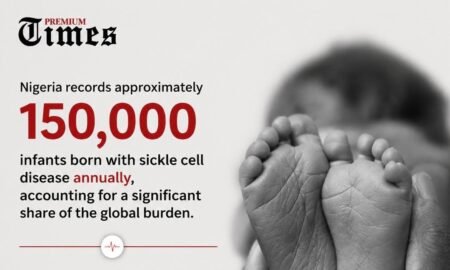
With over six million sickle cell disease patients in Nigeria, a reliable blood supply is crucial for their care.
The project has garnered international acclaim, earning an award from the Nigerian Society of Haematology and Blood Transfusion in 2023 for its outstanding contributions to blood safety.
Funding from the German government (BMZ) and EKFS has enabled the establishment of AKTH’s transfusion medicine centre, now a model for other hospitals.
In the next phase, blood transfusion managers nationwide will receive training in Kano, ensuring sustainable knowledge transfer to hospitals.
Regular audits by NBSA will maintain high safety standards, addressing Nigeria’s long-standing blood safety and availability challenges.
The project’s long-term goal is to create a national network of trained personnel to accredit transfusion centres across Nigeria, ensuring all facilities meet international blood transfusion safety standards.
About NBSA
The operations of NBSA commenced in 2025 as a parastatal agency under the Federal Ministry of Health in Nigeria.
It is mandated to regulate, coordinate, and ensure the provision of safe, adequate, and quality blood and blood products for transfusion in Nigeria.
READ ALSO: Nigeria partners Dutch firm to address blood transfusion challenges
NBSA’s objectives include promoting voluntary non-remunerated blood donation, regulating blood banks and transfusion services, providing safe and quality blood and blood products, and offering training and capacity building for blood transfusion services.
The agency’s functions include licensing and accrediting blood banks and transfusion services, inspecting and monitoring blood banks, recruiting and retaining blood donors, testing and screening blood for infectious diseases, and producing blood components such as plasma and platelets.
Read the full article here