






What began as a fleeting moment at the 2026 Ojude Oba festival has evolved into one of the event’s most heated post-festival conversations.
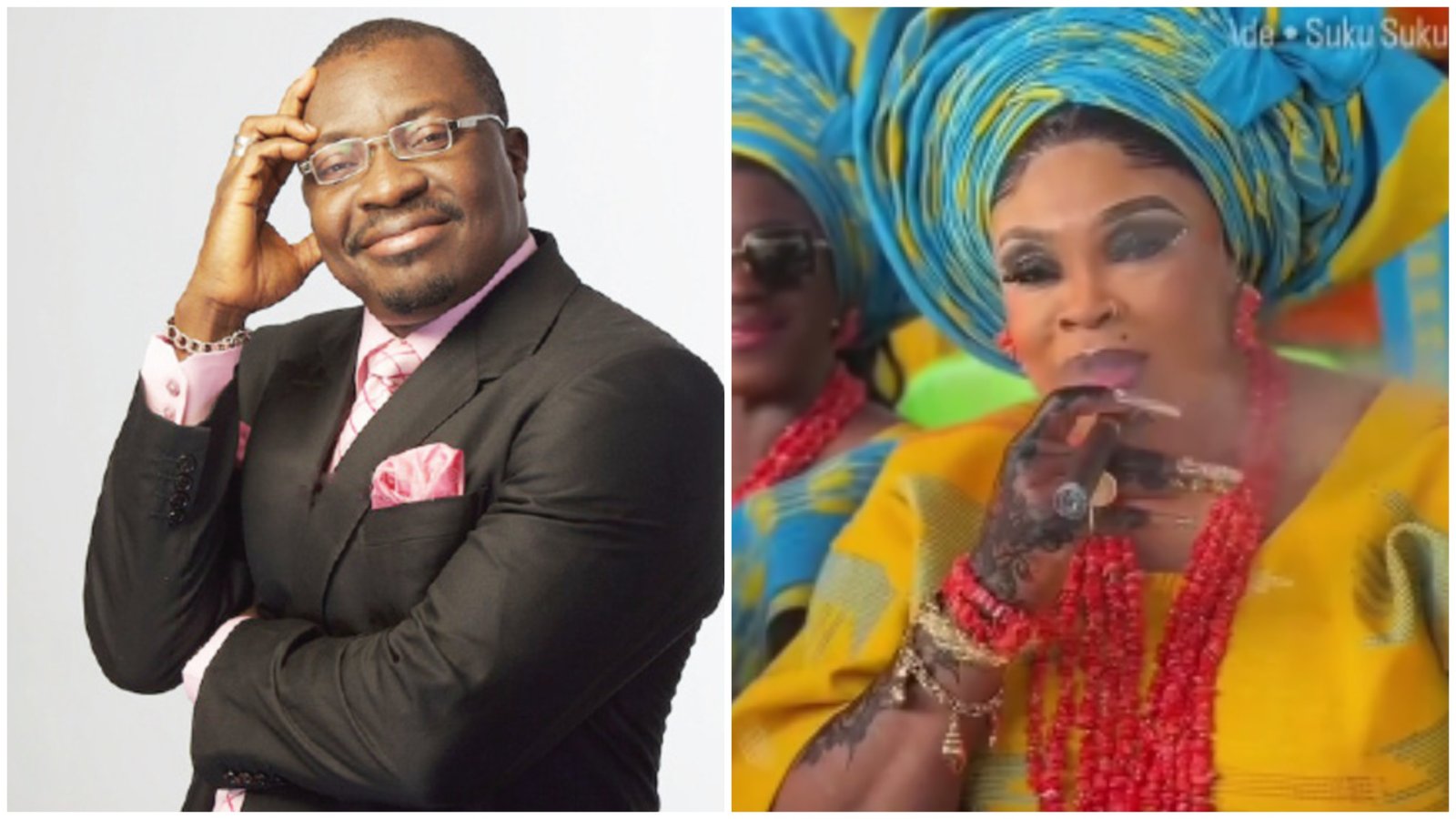
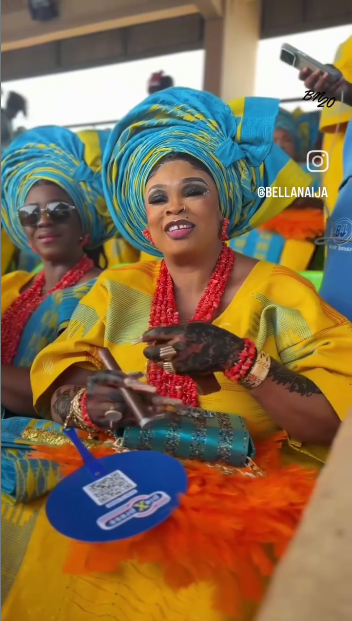
At the centre of the debate is a woman whose video went viral after she was seen holding and puffing what many viewers initially believed was a cigar during the colourful cultural celebration in Ijebu-Ode, Ogun State.
The clip quickly spread across social media, drawing thousands of reactions and reigniting conversations about culture, modern lifestyles and the expectations placed on women in public spaces.

As the debate intensified, veteran comedian and actor Alibaba weighed in on the controversy, questioning whether such moments reflected changing social values and the direction in which society is headed.
His comments added fuel to an already polarised conversation, with social media users split between those who viewed the moment as harmless self-expression and those who saw it as evidence of shifting cultural norms.


21 questions
Known for his social commentary, Alibaba said the viral clip left him with more questions than answers.
In a lengthy post on Instagram, the comedian reflected on whether evolving social attitudes were gradually redefining long-held cultural expectations and accepted norms.
He asked, “Is there a watering down of acceptable norms as cultures evolve? Anything a man can do, a woman can do as well? Is this about Feminism or rebellious positioning?”
Alibaba wondered if there would be a time when women would begin to pay the groom price.
More than that, he wondered if a woman puffing at a cigar is a precursor to a period when, as the Mcee of an event, he would be made to introduce an Otunba Mrs Kemi Adegbola and her four husbands
“Does this mean, one day, a guy would be at home, a girl and her mum will come knock on the door to ask for his hand in marriage?
“Would guys start bearing the surnames of their wives, soon? Are we going to see a time when a woman says she wants a man’s hand in marriage, and the parents will ask the woman, what do you do for a living to take care of our son?,” the filmmaker asked.
Among other concerns for the comedian is that one day, couples would be introduced as Mrs and Mr at gatherings, and young ladies would go down on one knee with a ring while the crowd would cheer young men on to “say yes”.
He, however, admitted that culture and values are dynamic.
Non-smoker
However, before Alibaba joined the conversation, the woman at the centre of the controversy had already attempted to clear the air.
Responding to growing online criticism, the lady, who gave her name as Oluwatoyin Olushile, said she is based in New York City and works for the US government as a manager at the post office.
“Honestly, I’ve never smoked in my life. What I held that day is called an electric cigar. And what is inside is vapour. No smell. No nothing. So people don’t understand what it is. That electric cigar is made in the USA by my friend.
I’m not a smoker. I know people are criticising me. They are judging a book by its cover. I’m a very good person. I’m very intelligent, and I’m a very educated woman,” she said.
Now dubbed the ‘Queen of Steeze’ on the internet, she explained that her original intention was to do something no one had ever done before.
Farooq Oreagba comparison
The controversy has also revived memories of the 2024 Ojude Oba festival, when finance executive Farooq Oreagba became an internet sensation after photographs of him riding a horse while holding a cigar went viral.
READ ALSO: ‘Don’t delay marriage, childbearing for career’- Eugenia Abu advises women
The images transformed him into one of the festival’s biggest attractions and earned him the nickname “King of Steeze” on social media.
As reactions to the latest viral video mounted, some social media users drew comparisons between the two moments, arguing that Mr Oreagba’s cigar attracted admiration while the woman in the current controversy faced criticism and moral scrutiny.
Others, however, rejected the comparison, insisting that the debate was not about gender but about the symbolism of the act and the cultural values associated with Ojude Oba.
Read the full article here