






1
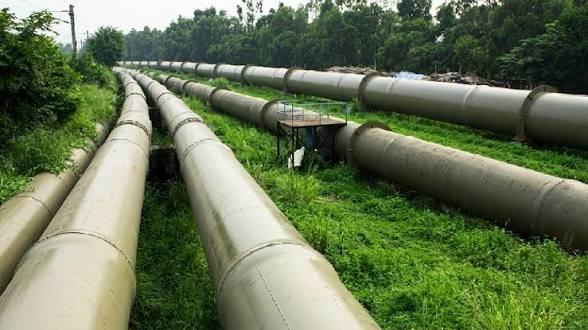
Pipeline Infrastructure Nigeria Limited (PINL) has strengthened surveillance along the Trans Niger Pipeline (TNP) using advanced drone technology and trained personnel.
The system forms part of the Eastern Corridor pipeline network security strategy designed to protect critical oil infrastructure.
According to a statement by Adeniyi Ifetayo, Media PR to Pipeline Infrastructure, through coordinated operations and rapid monitoring capabilities, the initiative helps detect threats early and ensure safer pipeline operations across multiple host communities.
He stated that operations are coordinated through several active camps positioned along the pipeline corridor and that Camp 20 in Abia State, Camp 07 and Camp 05 in Rivers State, Camp 12 in Bayelsa State, and Camp 29 in Imo State form the backbone of field surveillance. He noted that each location hosts dedicated security teams responsible for monitoring pipeline activity and responding to potential threats.
“A roving drone station further strengthens coverage across the network. Unlike fixed positions, the mobile drone unit can quickly move to high-risk locations, providing aerial intelligence when needed.
“This flexibility allows operators to conduct rapid inspections, track suspicious movements, and support ground teams during patrols or emergency response situations across the pipeline corridor.
Ifetayo stated further that at the center of the operation is a classified security and operations control facility that monitors more than 30 live drone feeds around the clock, stressing that the center coordinates information coming from multiple camps and surveillance units.
“Analysts and security personnel review the live visuals continuously, enabling quick decision-making and timely deployment of response teams when necessary.
“Together, the technology and manpower deployed by PINL create a layered security system across Rivers, Abia, Imo, and Bayelsa states. By combining drone surveillance, mobile response units, and centralized monitoring, the company aims to reduce pipeline vandalism, protect national assets, and support uninterrupted oil transportation within the Trans Niger Pipeline network.
Read the full article here