








It has been over two years, and Lawali Abdullahi still mourns.
From his modest home in Rofia, a riverside community in Agwara LGA, Niger State, the 33-year-old farmer carries the haunting memory of losing his wife, Hadiza.
The mother of his newborn daughter had died aboard a canoe while being ferried across the River Niger to a hospital in Yauri, Kebbi State.
“She had a safe home delivery,” Mr Abdullahi told PREMIUM TIMES. “But she started bleeding profusely three weeks after.”
Unbeknownst to her family, remnants of the placenta were left inside her womb, a medical condition known as retained placenta, a leading cause of maternal deaths globally.
Experts say it complicates at least two per cent of deliveries and contributes to nearly 10 per cent of maternal deaths in rural areas.
But in low-resource settings like Rofia, it is far deadlier, says Anas Ibrahim, a health worker and Rofia resident.
When Mrs Abdullahi started bleeding on 23 September 2023, her husband took her to the primary healthcare centre in Rofia. But she was quickly referred to the General Hospital in Yauri, the only facility believed to be better equipped than the local ones in the riverside communities.
However, the journey to Yauri was a deadly one, Mr Abdullahi remembers.
“I was traumatised when they referred us to Yauri,” he said, slightly closing his eyes as though picturing his late wife, with whom he had three kids: a boy and two girls.
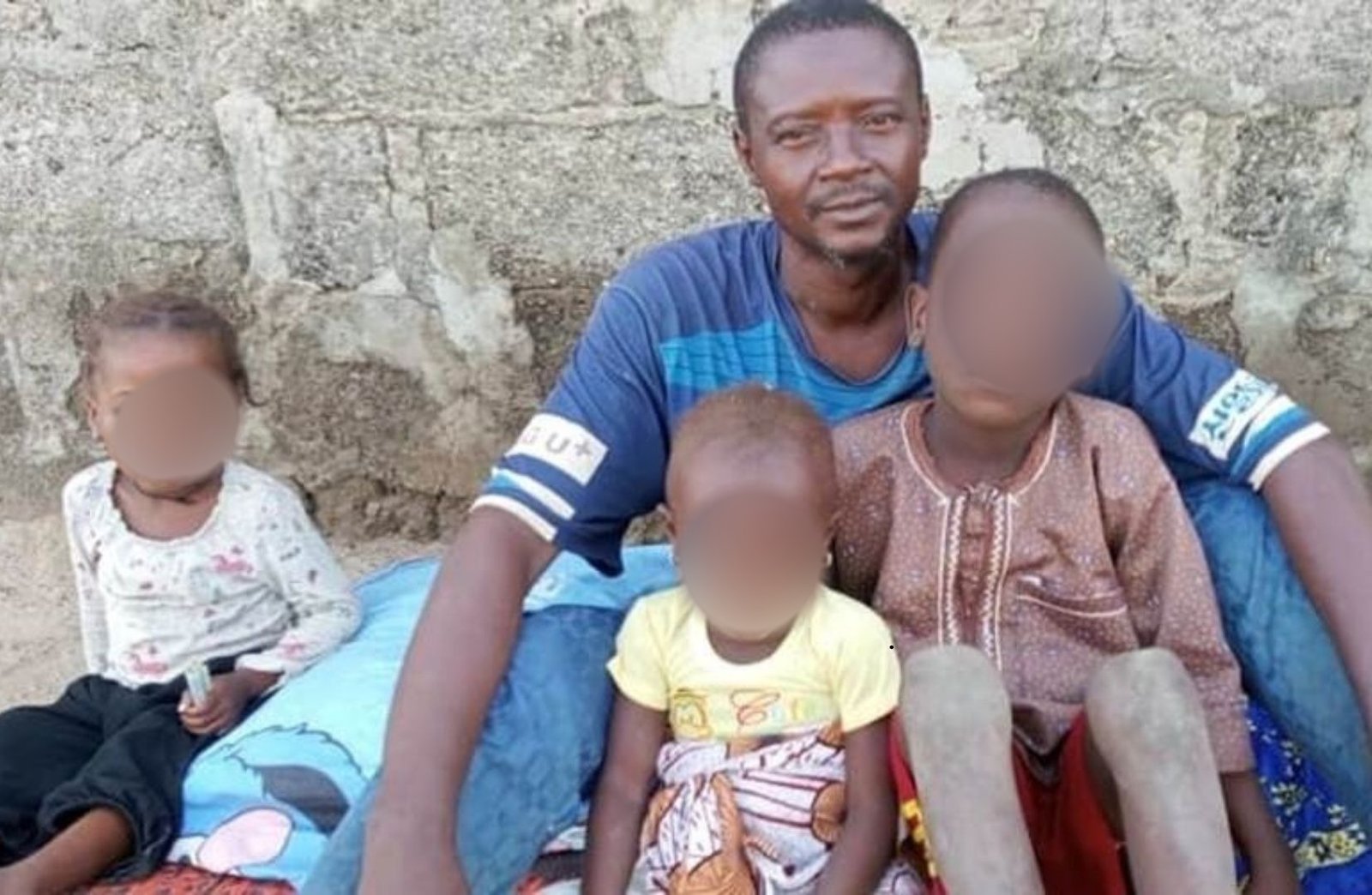

Sadly, she could not make it to the Yauri shoreline. “She died on the canoe before we got to the hospital,” Mr Abdullahi said.
Her story offers a window into the healthcare crisis in the riverine communities in Agwara LGA.
While locals could not estimate the number of lives lost in attempts to access healthcare across the water in Yauri, PREMIUM TIMES spoke to three families who lost loved ones in similar circumstances.
A perilous voyage
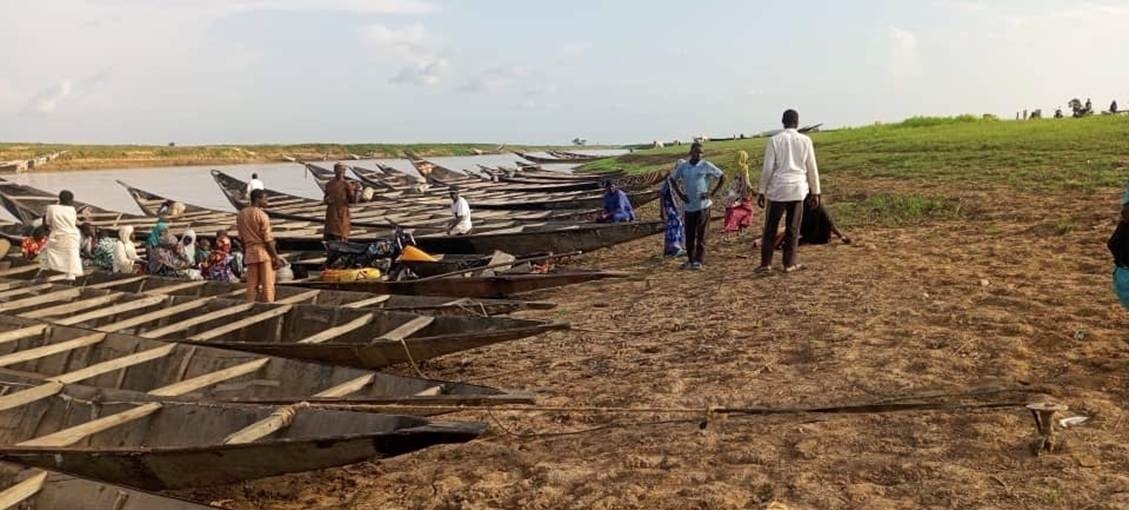
The voyage from Rofia to Yauri takes at least 40 minutes in calm conditions. But locals say it can stretch to over an hour when the water gets rough. From the Yauri shoreline at Zamare, the journey continues on a dilapidated road leading to Yauri General Hospital.
For many locals, particularly those in need of emergency care, including pregnant women, the voyage to Yauri is a gamble. The unsafe travel through the water without life jackets or any form of safety equipment makes it riskier.
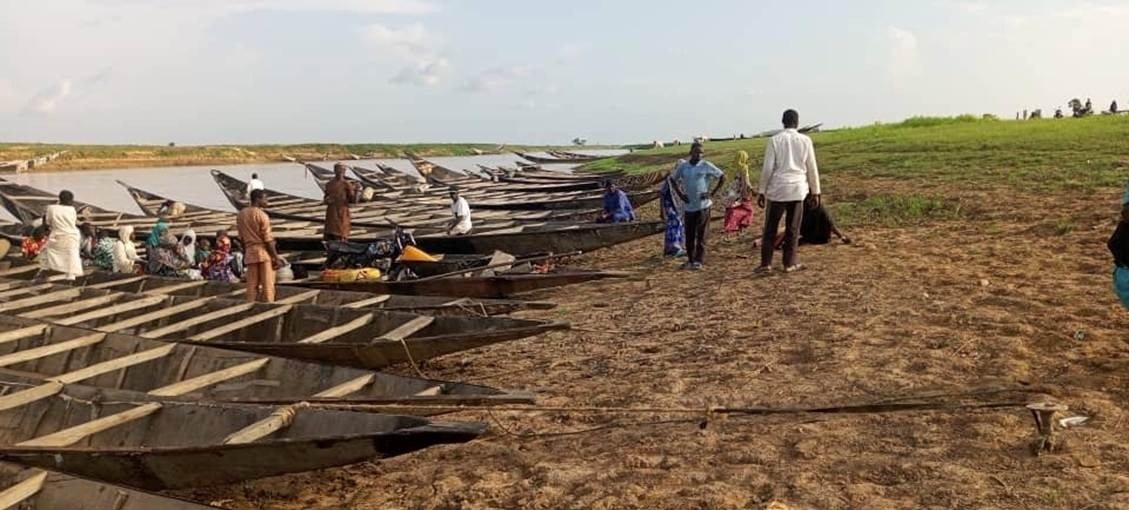

“Many never make it back alive,” said Samaila Bako, the district head of Kasabu, the village where a boat en route to Yauri capsized with 22 passengers in 2023.
Like Mr Abdullahi, Mr Bako also lost his daughter in a similar scenario.
“They even got to the hospital with her alive, but she died perhaps as a result of prolonged labour,” said Mr Bako.
Between 2019 and 2023, Nigeria recorded 71 fatal boat accidents with an estimated 1,072 fatalities, according to a PREMIUM TIMES compilation of reported figures.
In 2024, about 326 persons died in boat accidents, with Niger and Kwara states having the highest number of casualties of 92 and 90, respectively.
Muhammad Yari, a boat operator, said ferrying patients to the Yauri shoreline was common, “even at nights.”
“It is very common here,” he said, attributing the scenario to failing healthcare service in local communities. “Mostly, the patients are women and children.”
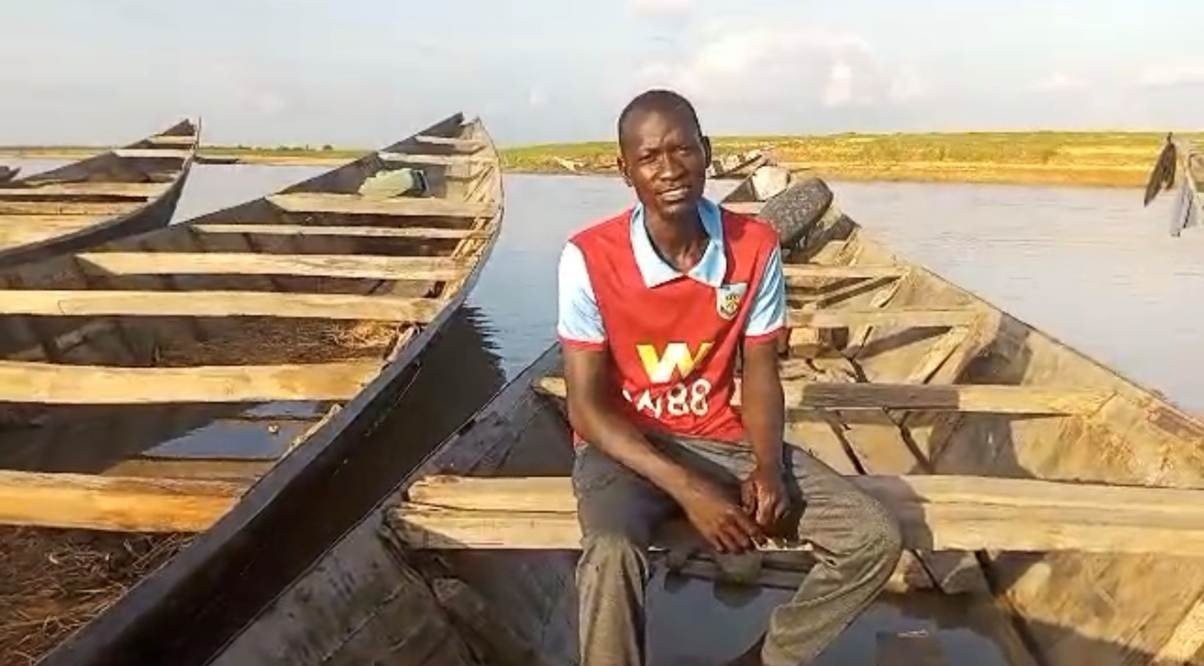

Mr Yari told PREMIUM TIMES that he never provided life jackets to his passengers.
“It is God who protects,” he said. “People just board and we drive them to their destinations.”
But the waterways often get clogged with stones, a situation that boat operators blamed for mishaps in the area.
“We urged the government to provide us with life jackets and help us move the stones standing on waterways,” said Mr Yari.
A widespread crisis
There are more than 20 communities in the riverside area. Locally referred to as Bakin Ruwa [riverside], these villages face a health crisis.
From Agwata ward, comprising 10 villages, to Suketu, with seven villages, and Rofia, with five villages, access to healthcare is difficult, with their four major healthcare facilities in a state of disrepair.
“We have health facilities, but there is not enough equipment to render effective services,” said Hafsatu Bello, a mother of two who had travelled across the river many times for antenatal care.
Mrs Bello, a resident of Passatullu village, says fear grips her whenever she hears that a woman from her neighbourhood is in labour.
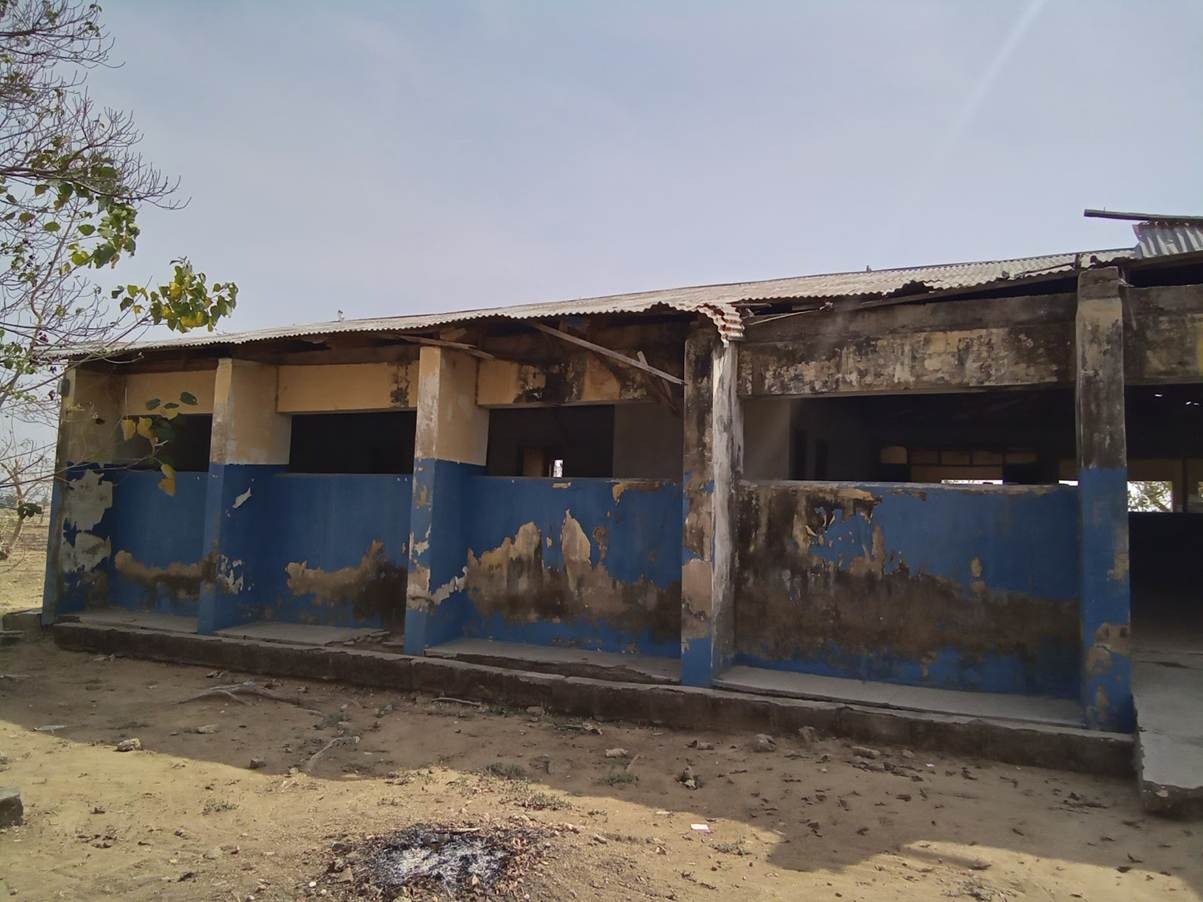

“The problem is very worrying because it is something that has to do with life. Many pregnant women have lost their lives before reaching the hospital,” she said, calling for improved healthcare service for the residents of the riverside communities.
This population is among the 22 per cent of Nigerians who lack access to medical services, including essential maternal services, according to data analysed by Statista.
Also, the National Bureau of Statistics (NBS) in its Multidimensional Poverty Index (MPI) report, revealed that time to healthcare services is the major bane affecting the Nigerian populace.
The NBS also found that ‘time to healthcare’ – the distance to reach medical facilities accounts for 12.6 per cent of the national MPI.
By definition, a person who cannot reach a healthcare facility within 30 minutes on foot is said to be deprived of timely access to healthcare.
This data further explains the dire situation of residents of these riverine communities.
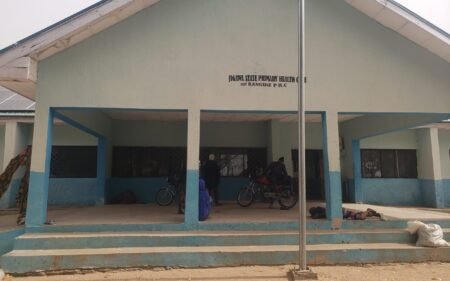
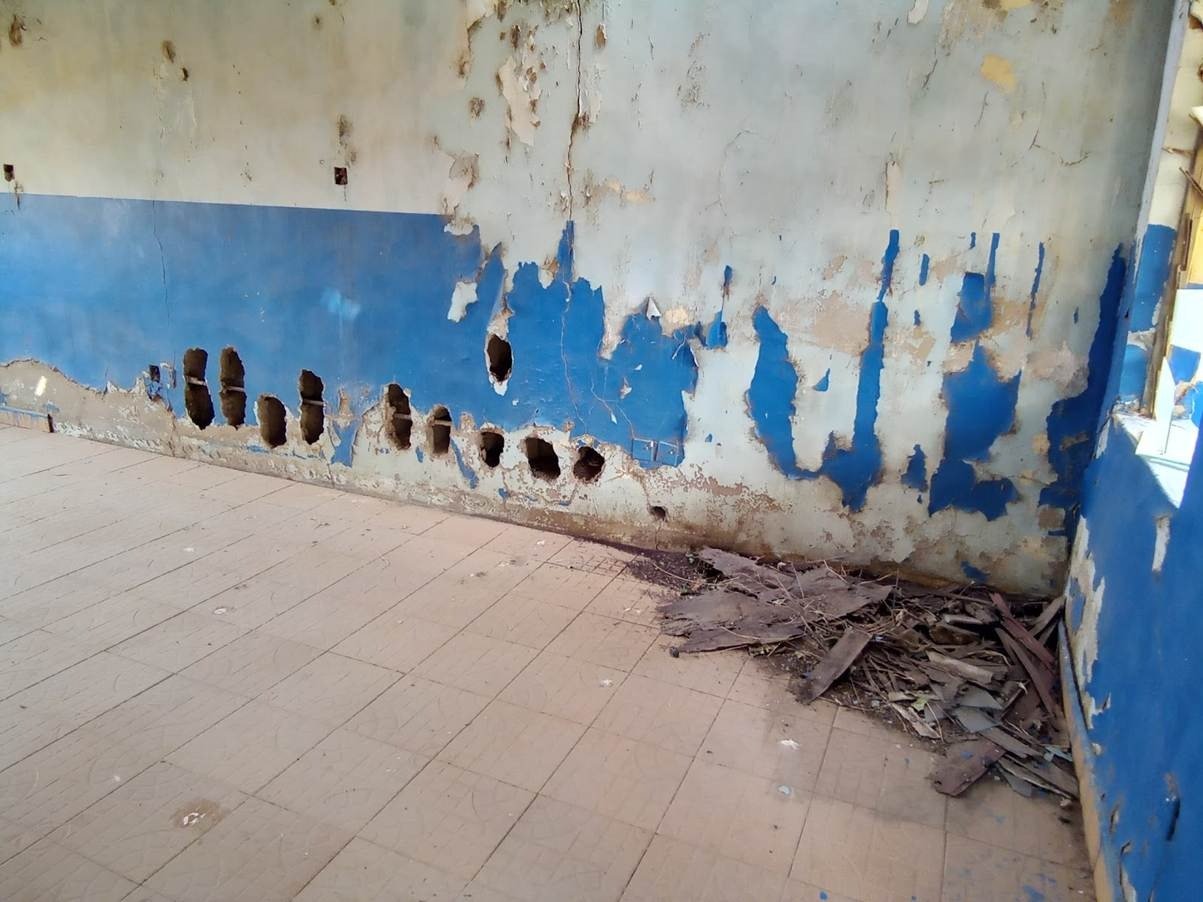
Christiana Manman, the Officer In-charge of the PHC in Rofia, told PREMIUM TIMES that the facility has been in a state of disrepair for more than 15 years.
“They just did some peripheral repairs, and after some time, it went back to its old shape,” she lamented, her arms folded near her chest.
“We just want a total renovation,” she demanded, explaining how her staff persevere, delivering healthcare services, including antenatal and routine immunisation for children.
Bello Gidi, a politician and youth leader in Rofia, corroborated Mrs Manman, saying the healthcare crisis has lingered for a long time.
While many residents are still pessimistic about any intervention, Mr Gidi said the problem would soon be forgotten.
The youth leader said officials of the Niger State Community and Social Development Agency visited the area in June.
“They came a week after Sallah, meeting with community leaders,” Mr Gidi recalled. He explained that the officials carried out a site assessment and promised to get back.
The Niger State Ministry of Primary Health Care Development Agency did not respond to an FOI request sent by this newspaper.
Aliyu Nuhu, a community health extension worker in a government hospital in Minna, said the consequences of poor healthcare access in rural communities like Rofia could be costly.
“Many women and children are dying from conditions that are completely preventable,” Mr Nuhu said. “When a pregnant woman cannot reach a health facility on time, simple complications turn deadly, and when children miss basic care, illnesses that should be treatable become serious. The hardest part is knowing these deaths are not normal, they happen because care is too far away.”
As the Niger State Government grapples with insecurity and hard economic realities, residents of the riverside communities continue to endure its neglect and surging healthcare crisis. For people like Mr Abdullahi, losing his wife is a personal tragedy that he cannot forget.
“Finding help for my wife that day across the water was a nightmare I can’t forget,” Mr Abdullahi, who is yet to marry again, said.
“When she was pregnant with our last child, Fatima, her hope was to bring her safely into the world and ensure she received an education,” Mr Abdullahi continued. “In our community, access to education is limited, especially for girls.”
This lack of education, he believes, also affects access to healthcare services in Rofia.
READ ALSO: Pharmaceutical society commends Adamawa infrastructure, health drive, calls for wider reforms
A dive into the state government’s expenditure on health
A PREMIUM TIMES analysis of Niger State budget performance documents, between 2022 and the second quarter of 2025, showed that the state expended N73.90 billion on the health sector in general. This grand total covers all health-related expenditure—including personnel costs, overheads, and capital projects.
The highest annual expenditure recorded in this period was over N40.43 billion in 2024, representing a performance rate of 63.3 per cent against the N63.8 billion budgeted. This suggests a significant, though partial, commitment to the health budget that year.
The budget performance on health was lower at other times during the period. For instance, in the first half of 2025 (Q1–Q2), total expenditure on health was N16.64 billion, representing 16.6 per cent of the N87.7 billion budget.
This expenditure was frequently directed toward specialised logistics, such as the N300 million spent on “Zonal Vaccine Cold Stores”, while numerous specific local PHC construction and renovation projects recorded zero expenditure in the same period.
Conversely, high-level administrative functions and general vehicles procurement showed efficient disbursement, such as the N11.72 billion expended on Government House capital projects in 2024. This represents a 97.1 per cent performance against the original budget of N12 billion.
Similarly, N33.79 billion was spent on the purchase of motor vehicles in the same year, representing 96.5 per cent of the N35 billion budgeted for that purpose.
This spending pattern, according to our analysis, emphasises administrative and mobile assets over fixed grassroots health structures.
This reporting was completed with the support of the Centre for Journalism Innovation and Development (CJID)
Read the full article here