






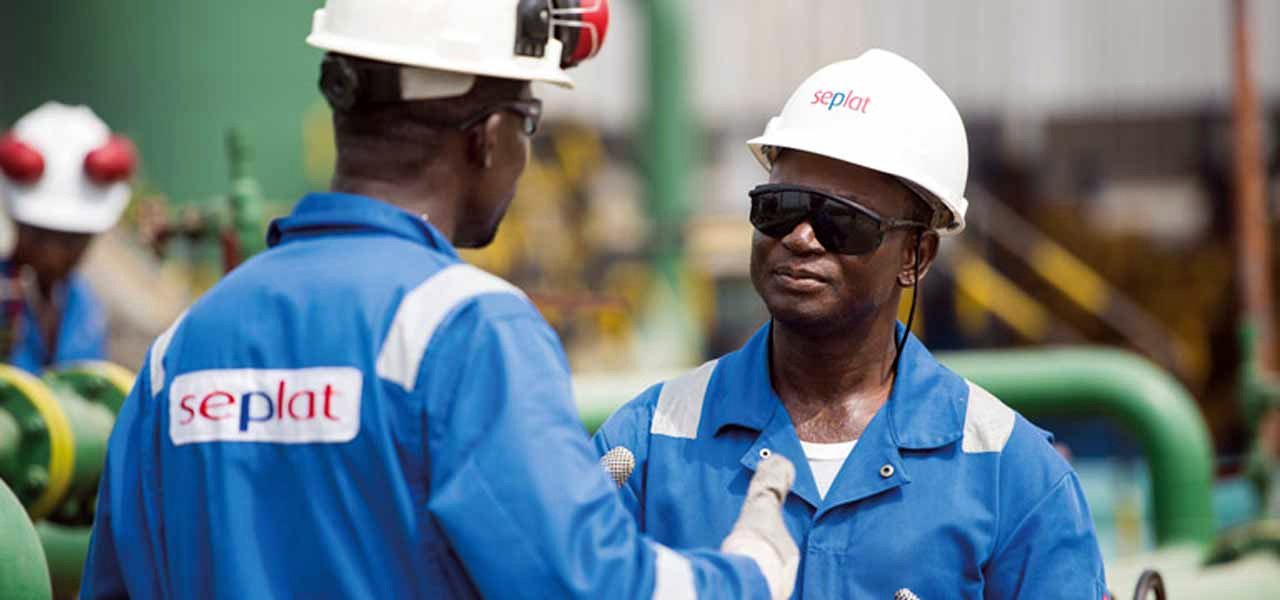
Workers at Seplat Energy have suspended the strike action they embarked upon on Friday amid concerns over pay increases.
PREMIUM TIMES reported that workers at the oil company’s onshore and offshore facilities began the industrial action after the firm failed to meet their demands.
On Saturday, the workers’ union, under the aegis of the Petroleum and Natural Gas Senior Staff Association of Nigeria (PENGASSAN), announced the suspension following written commitments by the company on pay-related issues, according to Reuters.
The strike had raised concerns about potential disruptions to oil and gas output at a time the Nigerian government is seeking to maximise production amid fluctuating global oil prices linked to the Middle East crisis.
In a letter dated 4 April to Seplat’s Chief Executive Officer, Roger Brown, PENGASSAN said it had directed its members to immediately suspend the industrial action after negotiations resumed with the Nigerian National Petroleum Company Limited (NNPC).
The union said discussions on the 2026 collective bargaining agreement would continue, with a target to resolve outstanding issues by 13 April.
Details of the workers’ demands remain unclear.
“We can confirm that the union has suspended its notice of industrial action to allow negotiations to conclude on outstanding items within an agreed framework,” Seplat spokesperson, Ogechukwu Udeagha, was quoted as saying.
“Operations are recommencing at our various locations,” he added.
Seplat is targeting production of up to 155,000 barrels of oil equivalent per day (boepd) this year, up from an average of 131,506 boepd recorded in 2025, as it seeks to scale output while remaining a key gas supplier to Nigeria’s domestic power market.
The industrial action came despite the company’s strong operational performance in 2025. Seplat reported a 150.4 per cent increase in revenue to N4 trillion, driven by expanded output and its first full year of offshore operations.
Average daily production rose by 148 per cent to 131,506 boepd, accounting for roughly 7 to 9 per cent of Nigeria’s total liquids output.
ALSO READ: Seplat workers begin indefinite strike over welfare concerns
Onshore production also increased by 14 per cent, supported by upgrades to the Sapele Gas Plant, which raised processing capacity to 90 million standard cubic feet per day.
Despite the revenue growth, profit expansion was constrained by rising costs, including higher tax obligations.
The company’s projection to increase output to 155,000 boepd underscores the potential impact any prolonged disruption could have had on its operations.
Read the full article here