





The World Health Organisation (WHO) has revealed that more than 2,000 people have been killed in attacks on health facilities since the start of the war in Sudan.
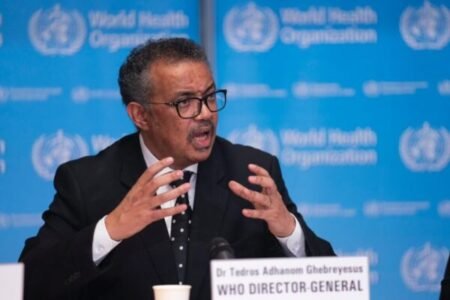
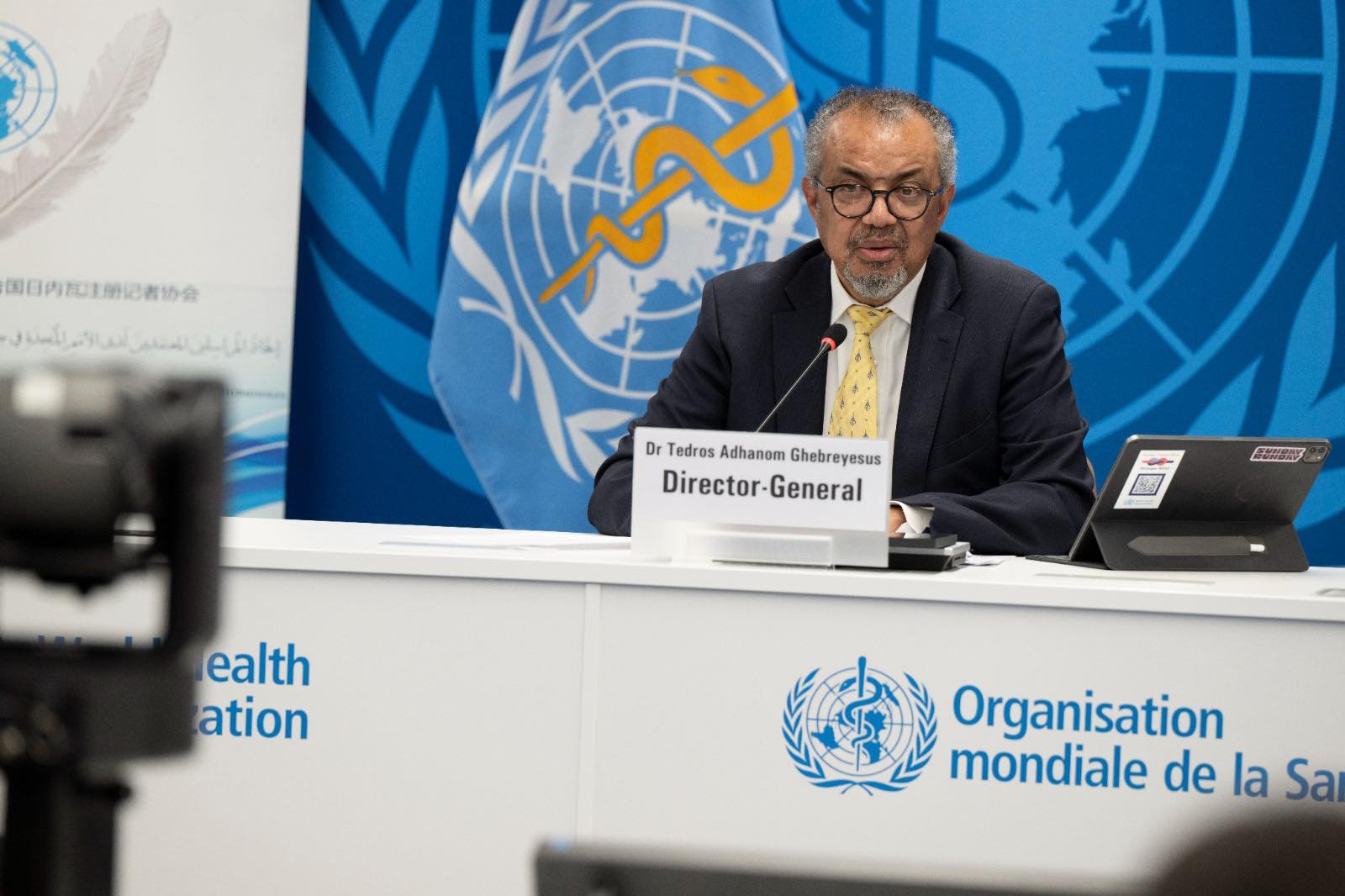
WHO Director-General Tedros Ghebreyesus disclosed this in a post on X on Friday, following a fresh attack on a hospital in East Darfur.
According to Mr Ghebreyesus, at least 64 people were killed when Al Deain Teaching Hospital, located in the capital of East Darfur, was struck.
The victims included 13 children, two female nurses, one male doctor, and several patients receiving care at the facility.
He added that 89 others were injured in the attack, including eight health workers, while key sections of the hospital, such as the paediatric, maternity and emergency units, were damaged.
The latest incident brings the total number of deaths linked to attacks on healthcare during the conflict to 2,036, recorded across 213 separate incidents, Mr Ghebreyesus noted.
More than 720 people have also been injured in such attacks.
WHO noted that the hospital is now non-functional due to the extent of the damage, further limiting access to essential medical services in an already overstretched system.
“Attacks on health care have immediate and long-term consequences for communities already in desperate need of both emergency and routine medical services,” Mr Ghebreyesus said, calling for an end to the violence.
He added that the agency is supporting local partners in scaling up services at other facilities, including expanding primary healthcare, treating the injured, and deploying trauma supplies and essential medicines.
Conflict, humanitarian toll
The war in Sudan began in April 2023 and has since escalated into a major humanitarian crisis.
It is a power struggle between the Sudanese Armed Forces, led by Abdel Fattah al-Burhan, and the paramilitary Rapid Support Forces, commanded by Mohamed Hamdan Dagalo.
The conflict has displaced millions and severely disrupted access to healthcare, with repeated attacks on hospitals, health workers and medical infrastructure compounding the crisis.
WHO has repeatedly warned that the targeting of health facilities is worsening mortality rates and undermining efforts to deliver life-saving care.
“Health care should never be a target. Peace is the best medicine,” Mr Ghebreyesus said.
More concerns
The development comes amid global concern over the impact of conflicts on health systems, including the ongoing tensions linked to the US/Israel-Iran war.
In recent weeks, the WHO has raised an alarm over attacks affecting civilians and health infrastructure across parts of the Middle East, warning that escalating violence is placing additional strain on already fragile health systems.
PREMIUM TIMES reports that the US and Israel commenced a joint attack on Iran on the last day of February, which has led to a full-scale war affecting many countries in the Middle East.
Over 1,500 people have now been confirmed dead in the war.
The agency has consistently called for de-escalation and renewed peace efforts, emphasising the need to protect civilians and health workers.
Read the full article here