





TikTok on Tuesday announced an additional $200,000 in ad credits to help support local organisations in Sub-Saharan African to expand AI media literacy.
The global tech giant made the announcement while hosting government officials, regulators, online safety partners and industry leaders at its third annual Sub-Saharan Africa Safer Internet Summit, reinforcing the platform’s commitment to collaborative approaches to online safety.
The two-day event held in Nairobi, under the theme #SaferTogether: ‘Innovation and Safety’, marks a significant expansion of the Summit series that began in Ghana in 2024 and continued in Cape Town last year, deepening partnerships with governments and regulators across the Sub-Saharan African region to tackle evolving digital safety challenges.
This investment builds on the company’s initial $2M AI Literacy Fund launched in November 2025, which awarded 20 global nonprofits to create content that boosts public understanding of AI.
In Sub-Saharan Africa, TikTok initially supported three organisations to advance digital literacy and combat misinformation, namely Mtoto News, Africa Check, and Centre for Journalism Innovation and Development (CJID).
Mtoto News, Kenya’s child and adolescent-centred digital media company, is creating educational content that helps young people understand and engage responsibly with AI technology.
Africa Check is expanding its fact-checking work across Nigeria, South Africa and Kenya, equipping audiences with tools to identify AI-generated misinformation and deepfakes.
CJID, the Centre for Journalism Innovation and Development (CJID) is an African technology and knowledge-producing think tank that supports and empowers the African media. Through its independent fact-checking platform, DUBAWA, it amplifies the culture of truth in public discourse and combats information disorder in the ecosystem.
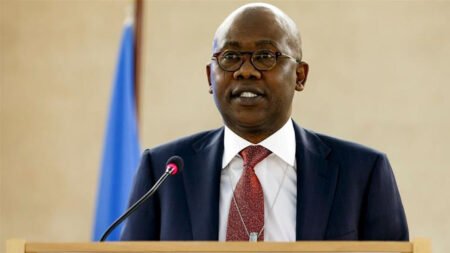
“With the rapid advancement of AI, we are committed to educating our community online so they feel empowered to have responsible experiences with AI, whether that’s as viewers or creators. We are partnering with trusted local organizations that communities already know and rely on, because their expertise and deep local connections are essential to making AI literacy programs truly impactful,” said Valiant Richey, Global Head of Partnerships, Elections & Market Integrity at TikTok.
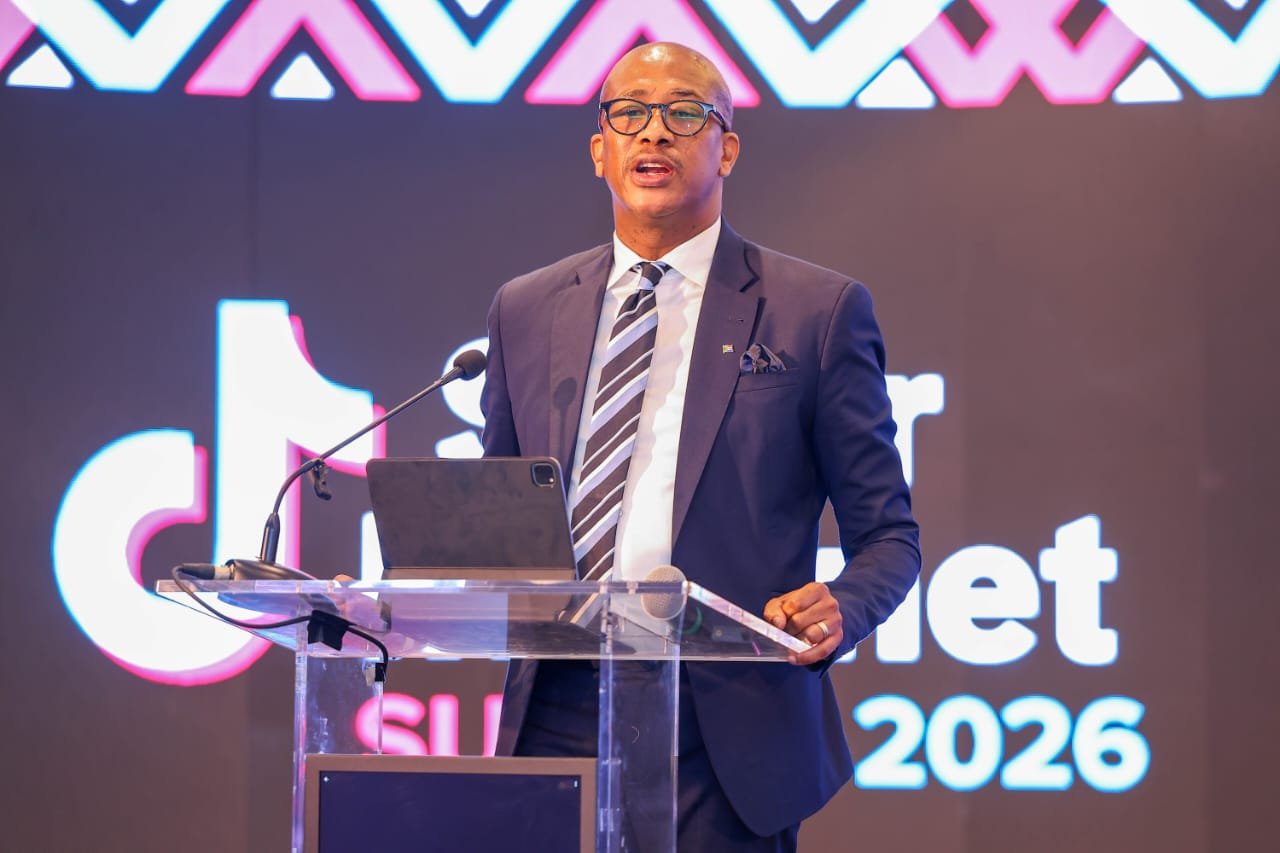
“As we host the 3rd Annual Safer Internet Summit here in Kenya, our mission is clear: to share learnings, insights, tackle common challenges and collaboratively advance actionable solutions that protect citizens online. By bringing together a diverse coalition of policymakers, tech innovators, and creators, we are ensuring that the conversations we have at this Summit are all-inclusive and lead to a more resilient digital landscape,” Tokunbo Ibrahim, Head of Government Relations and Public Policy, Sub-Saharan Africa at TikTok.
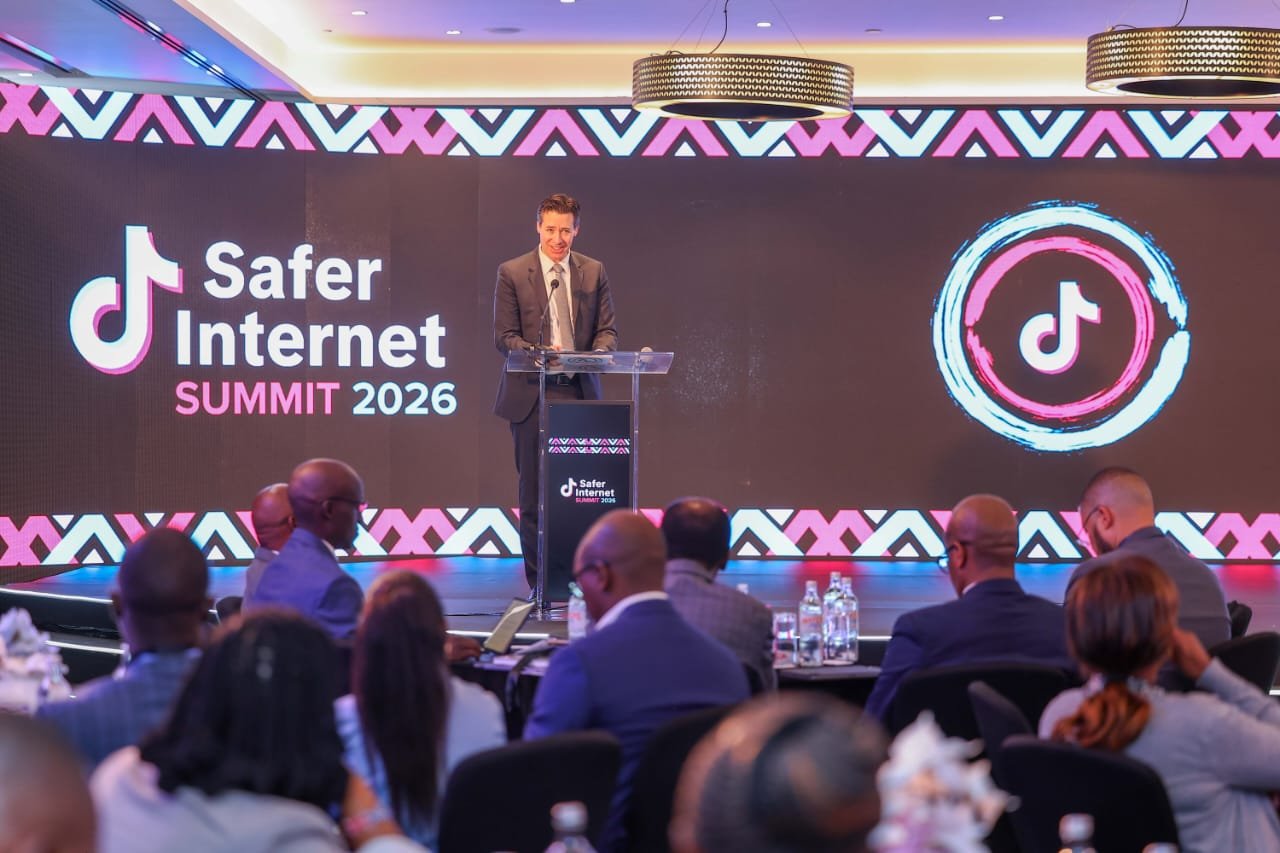
The Summit featured expert panels and discussions on critical topics including TikTok’s Trust and Safety efforts, protecting young people online, and policy frameworks for responsible Artificial Intelligence (AI) governance.
Cabinet Secretary for Information Communication and Technology, Kenya, William Kabogo, lauded the organisation for the initiative.
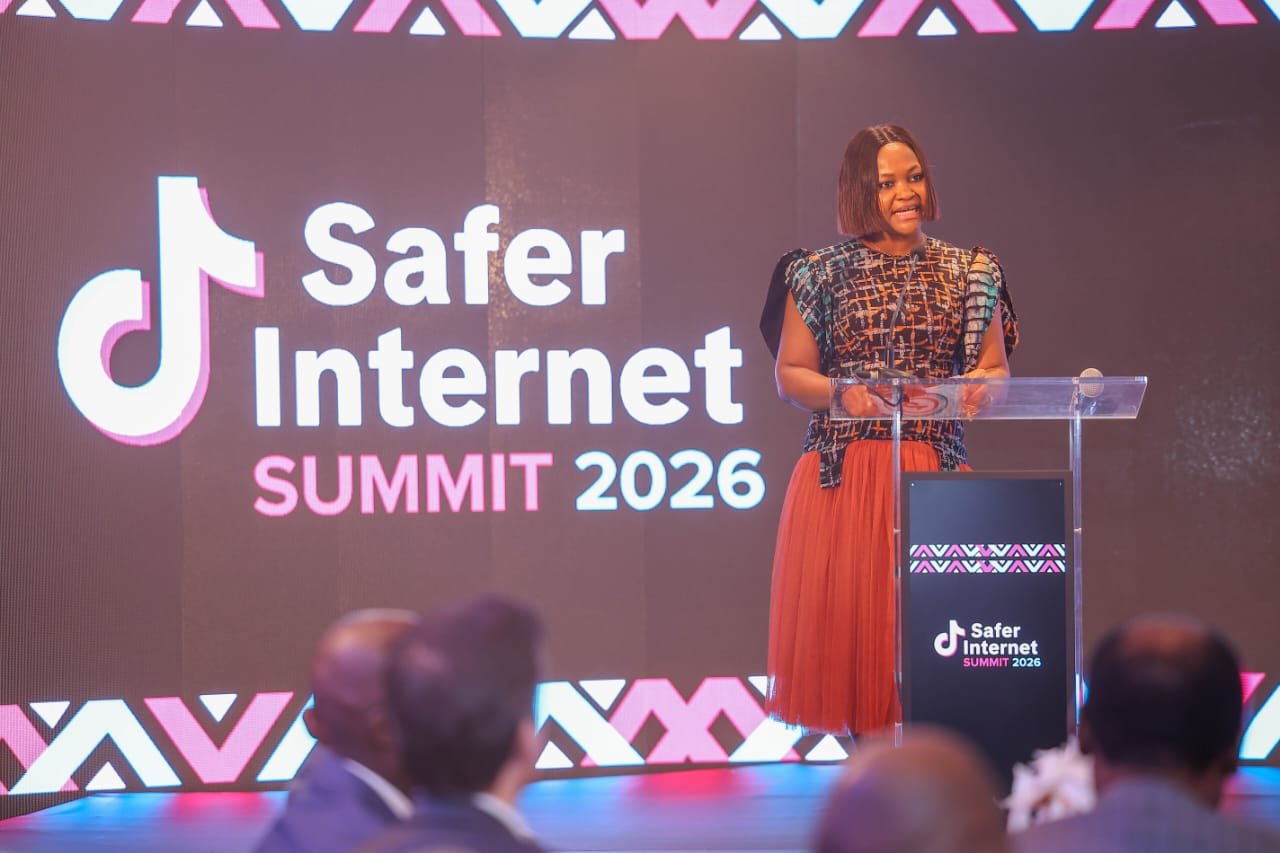
“I was pleased to open the third annual Sub-Saharan Africa Safer Internet Summit. This gathering reflects our government’s commitment to collaboration, sector growth, and ensuring a safe digital space for all,” the official noted.
“As we embrace the opportunities of the digital era, we must protect our people by advancing digital innovation, responsible AI governance, and strong regional partnerships for a secure and thriving online ecosystem.”
Investing in AI Literacy
A key highlight of the Summit was showcasing how TikTok uses AI to transform how people share their creativity and discover new passions, while ensuring the community remains safe through transparent and responsible AI practices.
TikTok continues to invest in AI tools and resources that create meaningful value for its community, while strengthening transparency tools that help people spot, shape, and understand AI-generated content.
ALSO READ: TikTok banned 49,512 live sessions in Nigeria in Q2 — New data shows
TikTok’s mission as a discovery platform is to inspire creativity and bring joy. As part of these efforts, the platform leverages AI to power a range of tasks, including content moderation models that help protect the platform, tools that empower creativity, and recommendation systems that help people discover content and creators they love.
Delegates at the Summit learned about TikTok’s multi-layered approach to AI transparency including requirements for creators to label realistic AI-generated content (AIGC).
TikTok also shared more about how recent advancements in AI are helping the platform moderate content faster and more consistently at scale, by improving automated moderation and empowering human teams with better moderation tools.
With over 100M pieces of content uploaded daily to TikTok, these advances, which work alongside human moderation teams, are helping get violative content down faster, reducing the likelihood of the community seeing it. According to the latest Community Guidelines Enforcement Q3 2025, TikTok removed over 14 million videos across Sub-Saharan Africa with 96.7 per cent detected and removed proactively using automated technology underscoring TikTok’s commitment to proactive moderation and swift action.
Officials encouraged attendees to continue advancing digital safety initiatives across Sub-Saharan Africa, building on the partnerships and insights shared during the event.
Read the full article here