






The country’s high food prices, according to President Bola Tinubu, are caused by external factors like poor roads, banditry, and terrorism, which cause 60% to 70% of the food produced to be lost.
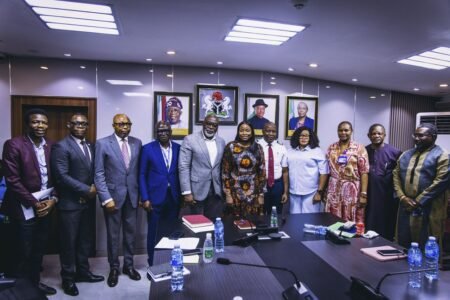
The president’s press secretary, Ajuri Ngelale, conveyed this information in a statement on Tuesday after the president met with the National Assembly delegation in Lagos.
In Tinubu’s view, Nigerians will have to pay more for access to good roads that will carry food to the populace, even if farmers manage to cultivate it and lose 60–70% of it to outside disasters.
In order to enable farmers to return and work their farms, the president said that the government must eradicate terrorism and banditry.
“Yes, there is poverty; there is suffering in the land. We are not the only people facing such, but we must face our challenges.
“We must find a way to eliminate banditry and terrorism so that farmers can bring out food from the farmland. If you do not have good roads to bring the food to the population, even if you grow the food and you are losing 60-70% to damages, you will pay the price,” President Tinubu said.
In order to promote growth and progress, the president added, all economic sabotage must be eradicated, and the people of the nation must adopt a new perspective.

Among other things, Tinubu said that damage to electrical wires and railroads hampered economic growth.
In order to do rid of smuggling and all other vices that negatively impact the economy, he added, Nigerians must adopt a new way of thinking and set of values.
“The need (for some citizens) to change the rent-seeking mindset and become more productive to the economy is a challenge. The need to stop smuggling and all economic sabotage.
“Why should we have people removing rail tracks and all that, stealing electric cables, and sabotaging the economy? We must embrace the campaign to change our value system. We must tell our people that the challenge we face is for all of us to change our mindset about our country,” President Tinubu said.
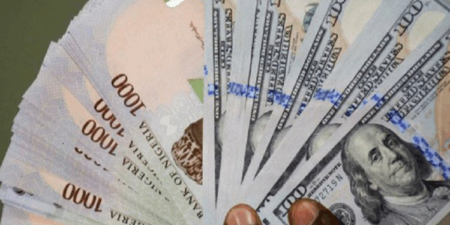
Nigeria is facing its worst economic crisis in more than thirty years, with inflation above 30%
According to the National Bureau of Statistics (NBS), Nigeria’s inflation rate rose to 33.95% in May 2024, up from 33.69% in April 2024.
This 0.26-percentage point increase reflects a steady climb in the cost of living, with year-on-year inflation rates surging by 11.54 percentage points from 22.41% in May 2023.
Furthermore, Nigeria’s food inflation rate hit 40.66% year-on-year, a substantial rise from the 24.82% recorded in May 2023.
There are a number of reasons behind this sharp rise in food prices, such as high import taxes on food products, insecurity, and inadequate financing for farmers.
Read the full article here