




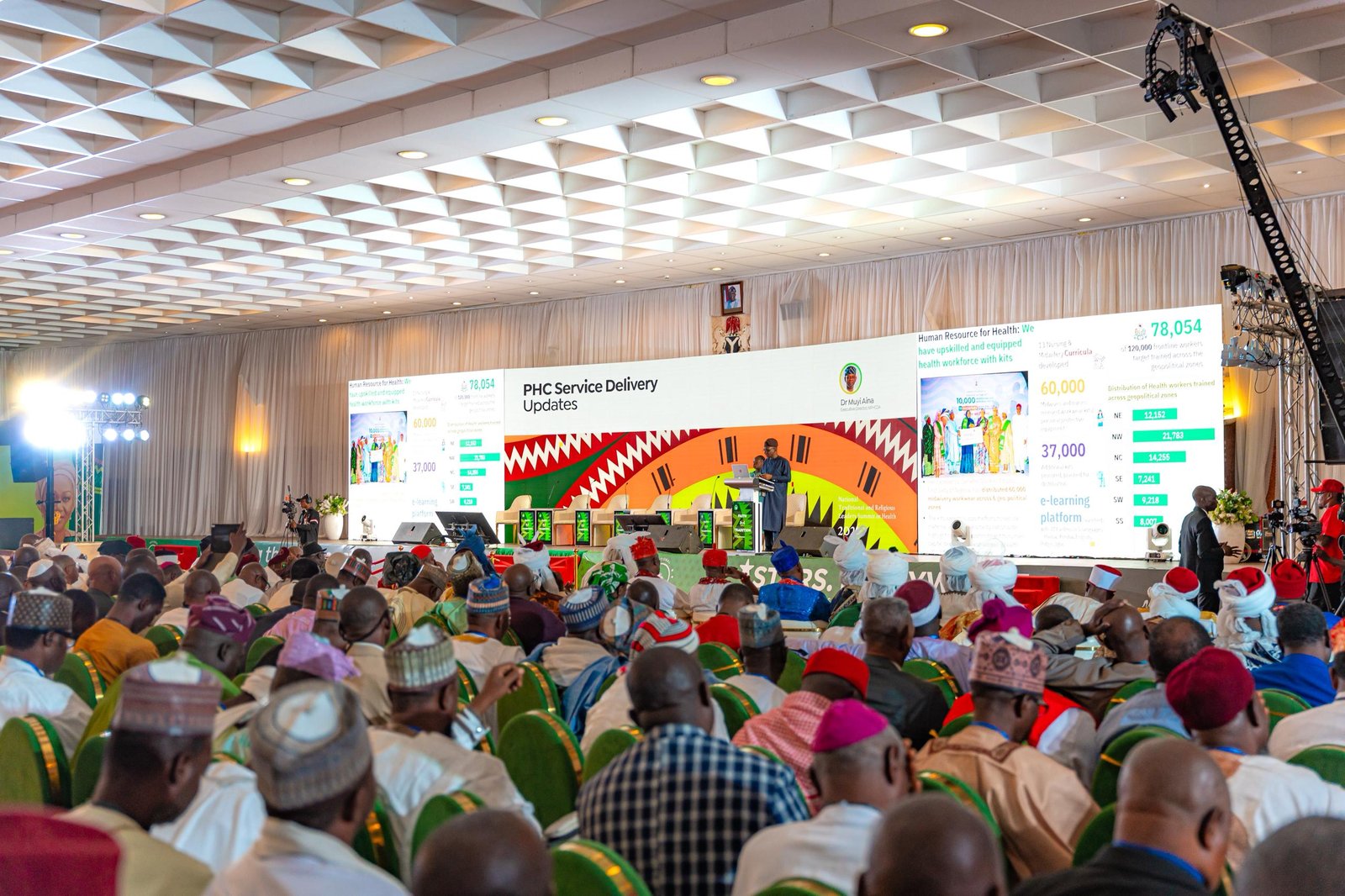
President Bola Tinubu on Tuesday mobilised traditional and religious leaders to drive the implementation of Universal Health Coverage (UHC), declaring that Nigeria’s health reforms cannot succeed without their active involvement.
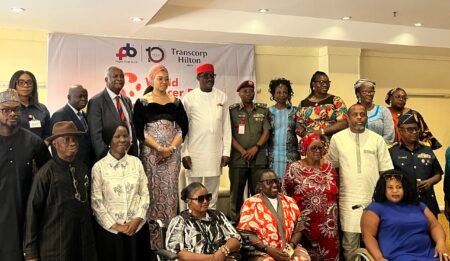
Speaking at a high-level national engagement in Abuja, Mr Tinubu described the gathering as a “generational and interfaith alliance” designed to accelerate health sector reforms and renew public trust.
He announced the expansion of the Universal Health Coverage Compact, first unveiled during the Health Sector Joint Annual Review, to formally include traditional institutions, religious leaders, civil society organisations and the private sector.
He noted that no health reform in Nigeria can succeed without the leaders.
“You are the trusted voices between the government and the people. You are the moral anchors of your communities. We are asking for your partnership,” he said.
‘Monitor health centres, report failures’
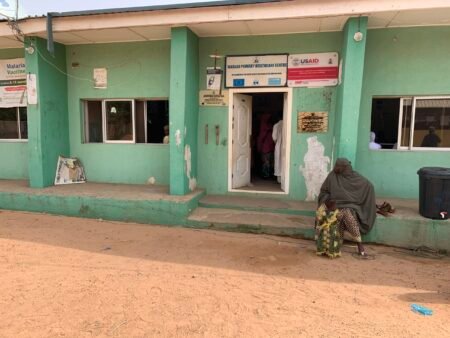
A major plank of the president’s appeal was improved oversight of primary healthcare facilities, particularly in rural and underserved areas.
Mr Tinubu said his administration is “aggressively improving the functionality of our primary healthcare centres across Nigeria.”
He urged traditional rulers to monitor facilities within their domains and escalate concerns where services fall short.
“If facilities are not working, write to your local government chairman, write to your governor, write to us. We will respond. If we do not act, nobody will do it for us,” he added.
Mr Tinubu also highlighted maternal and newborn mortality as a critical challenge, stressing that many deaths remain preventable with timely access to quality care.
He also said the federal government is working closely to strengthen emergency obstetric services and expanding emergency transport and ambulance systems to ensure timely access to care.
Tackling vaccine hesitancy, misinformation
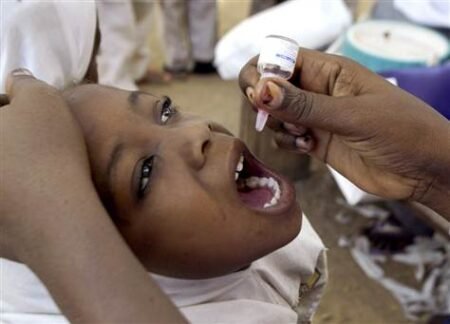
The president also emphasised immunisation as central to achieving UHC, acknowledging that traditional and religious leaders often command greater influence at the grassroots than public officials.
He said communities usually listen to the leaders before listening to the government and in times of an epidemic, the leaders are often the first responders.
He urged faith leaders to counter misinformation, promote vaccine acceptance and encourage positive health-seeking behaviour.
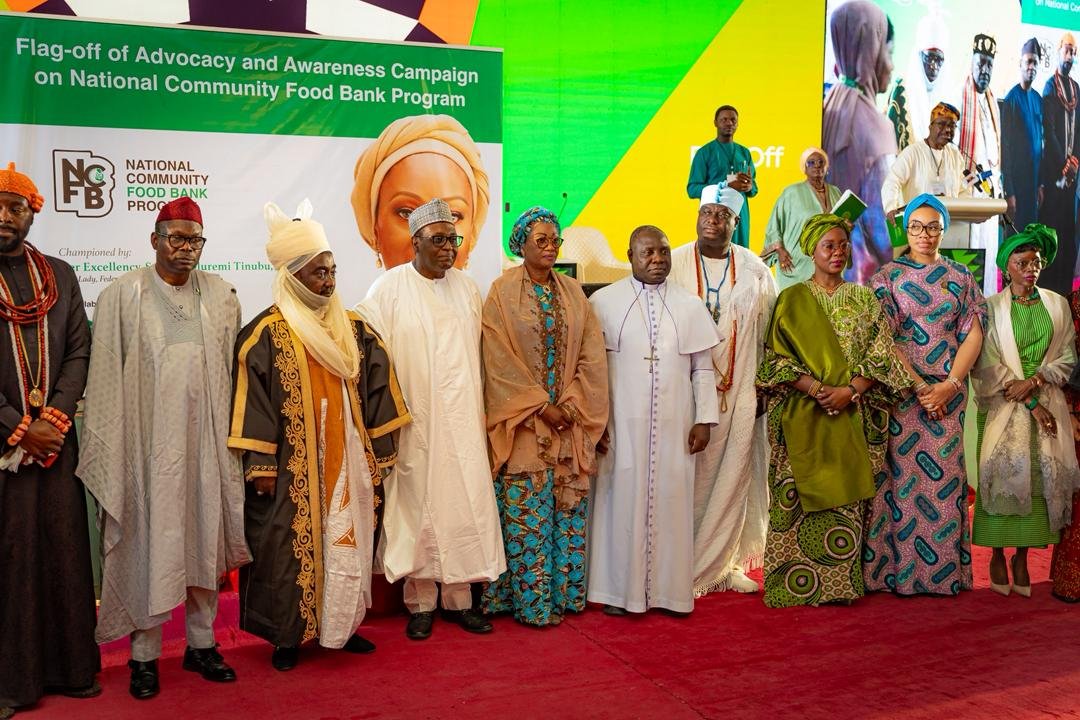
Beyond immunisation, Mr Tinubu highlighted nutrition and food security as essential pillars of health reform, describing malnutrition as both a public health and economic challenge.
He said economic reforms were aimed at stabilising food supply chains and supporting vulnerable households but stressed the need for community-level accountability to ensure interventions reach intended beneficiaries.
Fellows to anchor reforms
A key highlight of the event was the president’s endorsement of the National Health Fellowship Programme, a youth-driven initiative designed to deploy young professionals across Nigeria’s 774 local government areas.
Mr Tinubu described the fellows as the “operational backbones” of the reform agenda, adding that they would bring structure where systems are weak, data where decisions lack clarity, and energy where communities need it most.
“The National Health Fellowship Programme represents a new Nigeria, where competence and dedication open pathways to leadership.”
He said the initiative reflects his administration’s commitment to institutional reform powered by youth talent and data-driven governance.
READ ALSO: Federal govt signs MoU to operationalise Medipool, cut medicine costs
Health sector reform
The president described the engagement with traditional and religious leaders as deliberate and strategic, forming the basis of what he called a “new national alliance for health.”
He said his administration cannot reform the health sector alone and therefore needs their leadership, moral authority, and their ability to mobilise communities.
He added that respect for cultural values and interfaith harmony would remain central to implementing reforms across Nigeria’s diverse communities.
Linking health to broader national priorities, Mr Tinubu said macroeconomic indicators were improving and would support sustained investment in social services.
He also assured Nigerians that efforts to tackle insecurity were ongoing, describing security, economic stability and health reform as interconnected pillars of national renewal.
“Nothing good is achieved without hope. Together, we will usher in a new era of health and honour for our people,” he said while reaffirming his administration’s commitment to equitable access to quality healthcare.
Read the full article here