






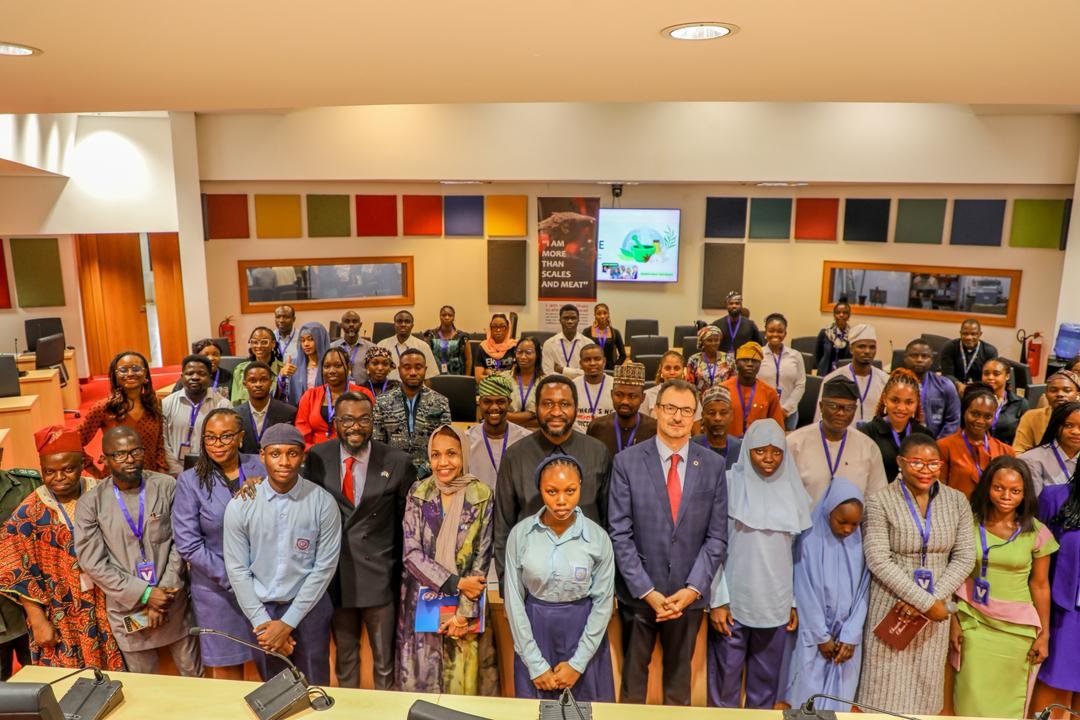
The United Nations Office on Drugs and Crime (UNODC) has urged Nigerian youths to take a leading role in protecting the country’s wildlife, stressing that conservation is critical to environmental sustainability, economic stability, and national security.
The agency made the call on Wednesday during an event to commemorate World Wildlife Day 2026 at the United Nations House in Abuja.
World Wildlife Day was proclaimed on 20 December 2013 at the 68th session of the United Nations General Assembly, designating 3 March as a global day to celebrate and raise awareness about wild fauna and flora.
The date also marks the anniversary of the signing of the Convention on International Trade in Endangered Species of Wild Fauna and Flora (CITES) in 1973.
This year’s celebration is themed “Medicinal and Aromatic Plants: Conserving Health, Heritage and Livelihoods.”
To mark the day, UNODC convened youths under its #BeWildForNature Youth Network alongside stakeholders from ministries, departments, and agencies and development partners to chart a path forward on protecting endangered species through effective policy implementation and law enforcement.

Youth-driven conservation
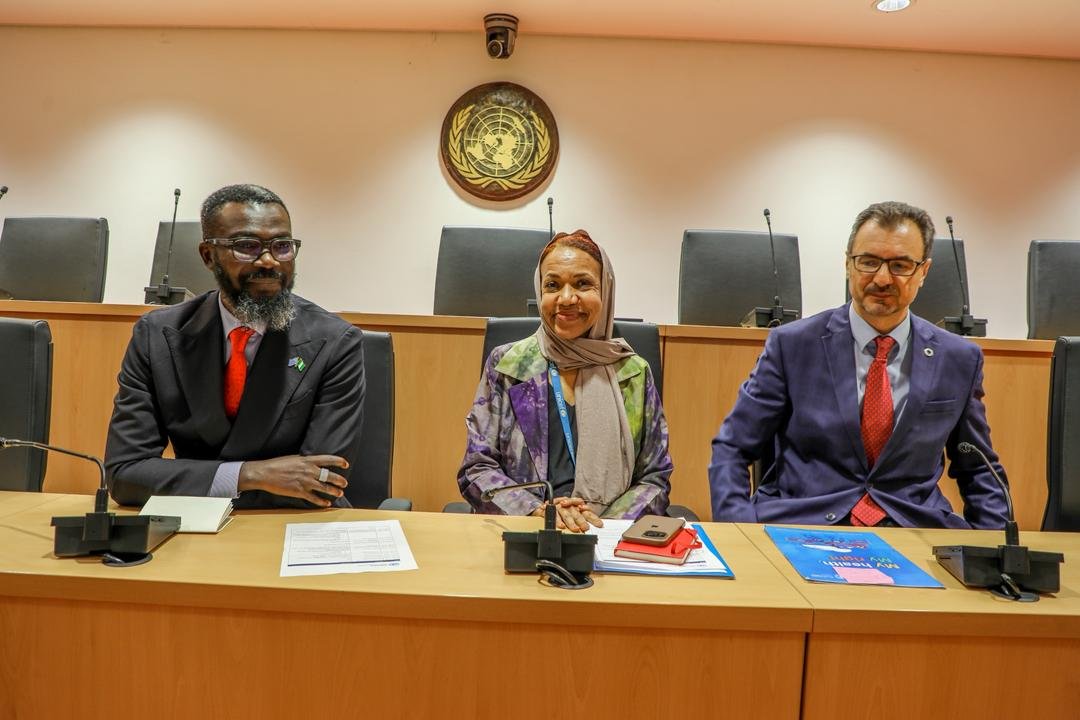
In his remarks, the UNODC Country Representative in Nigeria, Cheikh Toure, emphasised the growing importance of youth-led initiatives in addressing wildlife crime and environmental degradation.
“Protecting wildlife is not only an environmental responsibility but also a matter of human health, cultural preservation, economic stability, and security,” he said.
He commended the #BeWildForNature Youth Network for placing young people at the centre of conservation efforts.
The initiative, which began as a digital campaign in 2024, encourages young Nigerians to leverage digital innovation to strengthen conservation and raise awareness about wildlife crime.
Following a competitive process, 10 finalists were selected nationwide, with top performers receiving prizes and special recognition, including merit awards for female participants in line with Women’s Month.
The finalists were later integrated into the network as UNODC Young Wildlife Influencers and participated in a mentorship programme between August and October 2024, featuring sessions led by experts in conservation, advocacy, and digital engagement.

According to UNODC, participants have since implemented community-based projects and outreach initiatives, contributing to increased awareness and action on wildlife protection across Nigeria.
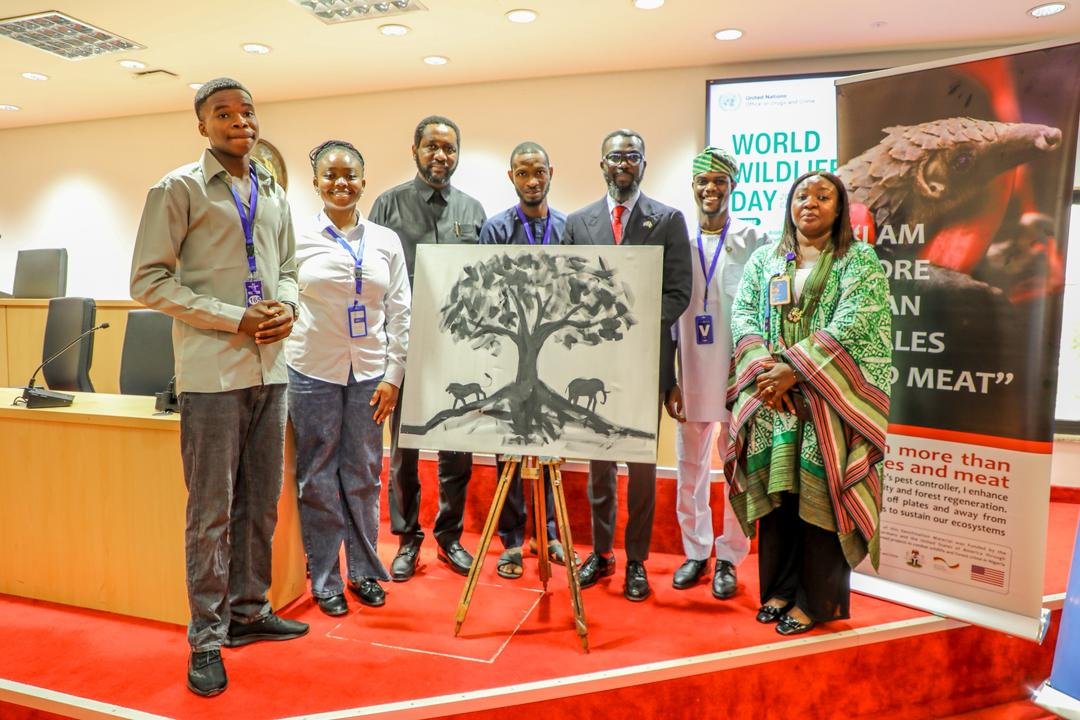
As part of the event, students presented spoken word performances and artwork reflecting themes of wildlife conservation and environmental protection.
Threats to medicinal plants

Focusing on this year’s theme, UNODC noted that medicinal and aromatic plants play a vital role in traditional healthcare systems and local economies across Nigeria and Africa.
The agency warned that these resources face growing threats from overharvesting, habitat degradation, climate change, and illegal trade.
“These plants are not only sources of healing but also represent identity and economic survival for many communities,” the agency said.
UNODC described wildlife crime as a form of transnational organised crime that undermines the rule of law and fuels illicit financial flows.
It noted that illegal trafficking in wildlife and plant species weakens ecosystems and threatens sustainable development, underscoring the need for strong institutions and effective enforcement.
Legislative milestone

The agency highlighted the Endangered Species Conservation and Protection Bill as a significant step toward safeguarding biodiversity in Nigeria.
Nigeria has been identified as a major transit hub for trafficked wildlife and wildlife parts. Recent investigations by PREMIUM TIMES have also revealed weak prosecution of offenders and persistent human-elephant conflicts across forest and savanna regions, further threatening the country’s dwindling elephant population, alongside frequent pangolin and ivory seizures.
UNODC, however, stressed that legislation alone is insufficient without effective implementation, public awareness, and cross-sector collaboration.
At the event, participants engaged with Terseer Ugbor, Deputy Chairman of the House Committee on Environment and sponsor of the bill, during a fireside chat on strengthening conservation policies and youth participation.
Mr Ugbor said the bill is awaiting presidential assent and expressed optimism that it would address gaps in Nigeria’s conservation framework.
“Nigeria has lost a lot of its habitats for our wildlife to thrive. Nigeria has one of the lowest forest covers in Africa, and this is not good for us,” he said.
He added that the bill introduces stricter penalties for wildlife crimes, including fines of up to N10 million and jail terms of 10 years or more, aimed at deterring offenders.
Sustainable development link

Also speaking, a representative of UNICEF, Wafaa Abdelatef, said biodiversity conservation directly contributes to achieving the Sustainable Development Goals (SDGs), including health, climate action, life below water, life on land, and strong institutions.
She noted that environmental protection and development are mutually reinforcing and not competing priorities.
“I am particularly encouraged by the leadership demonstrated by young Nigerians through the #BeWildForNature initiative. Young people bring creativity, energy, and new perspectives to conservation efforts,” she said.
She added that empowering youth leadership is essential for building inclusive, locally grounded, and future-oriented solutions.
READ ALSO: UNODC seeks collaboration with EFCC to tackle financial crimes in West Africa
Call to action
UNODC reiterated that young people are not merely beneficiaries of conservation policies but key drivers of change.
“Through innovation, advocacy, and community engagement, young Nigerians are helping convert policy into practical action,” the agency said.
It reaffirmed its commitment to supporting Nigeria through capacity building for law enforcement and judicial actors, promoting inter-agency cooperation, and empowering communities to protect biodiversity.
The agency added that protecting medicinal plants is critical to safeguarding health systems, cultural heritage, and future livelihoods, calling for sustained collaboration and concrete action beyond awareness.
More pictures:


Read the full article here