






Despite years of health sector reforms and repeated donor-backed interventions, Nigeria is still battling multiple active infectious disease outbreaks while nearly one in three children remains completely unvaccinated.
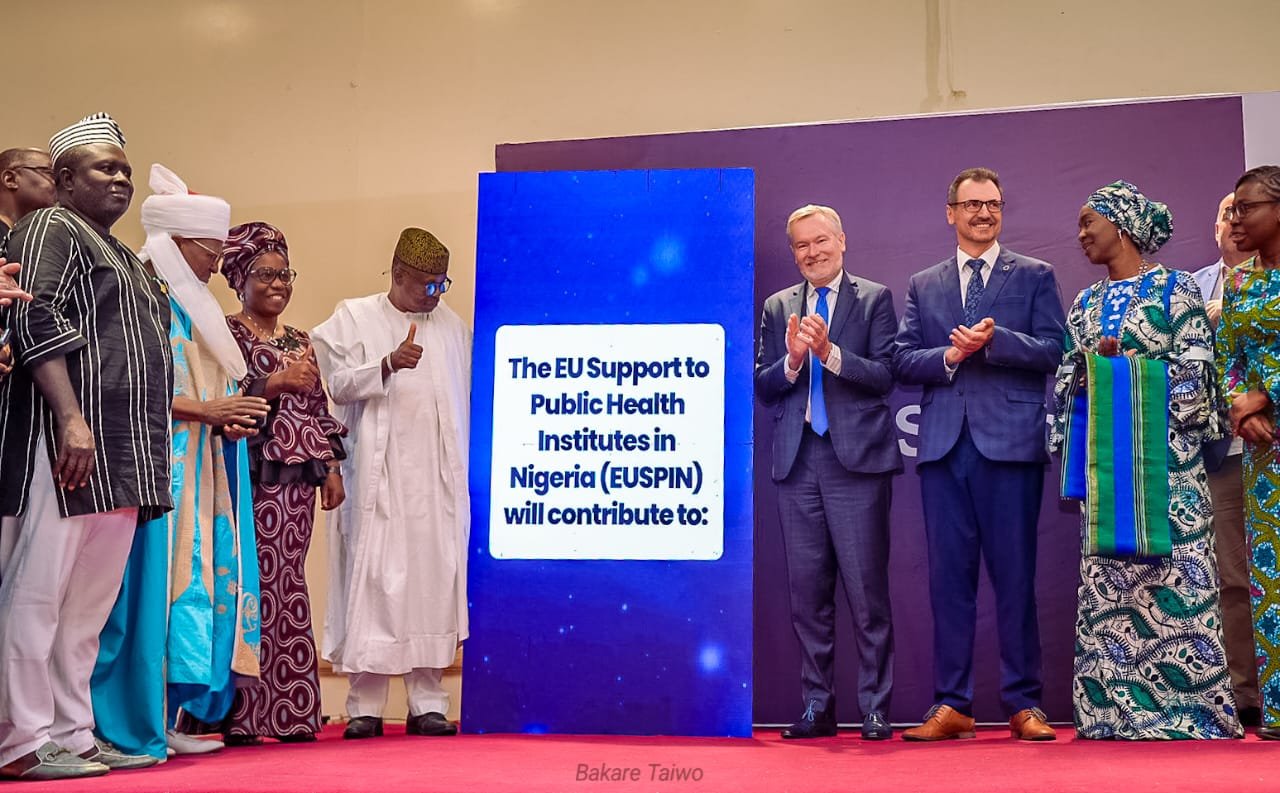
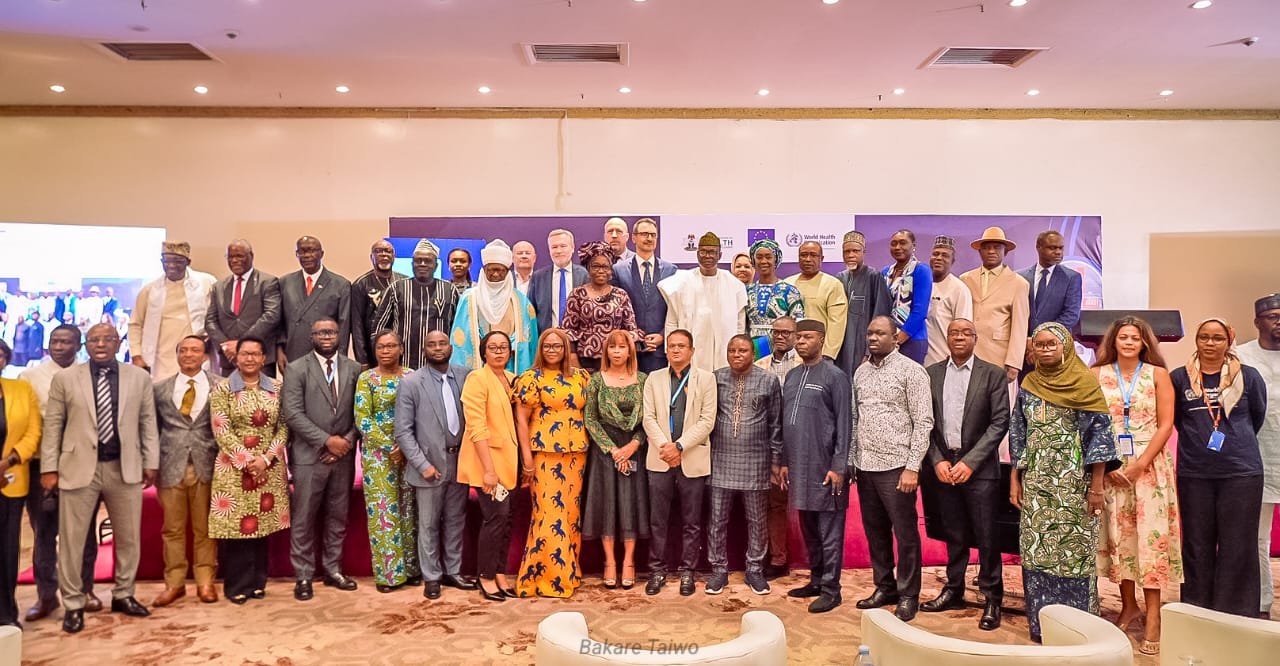
The concerns were raised at the launch of the European Union Support to Public Health Institutes in Nigeria (EU SPIN) project in Abuja on Monday.
The project is an EU-backed initiative designed to strengthen Nigeria’s public health institutions, disease surveillance systems and emergency preparedness architecture.
In his opening remarks, the World Health Organisation (WHO) Representative in Nigeria, Pavel Ursu, said Nigeria’s health sector continues to face mounting pressure from recurring infectious disease, climate-related risks, weak immunisation coverage and the growing burden of non-communicable diseases.
Mr Ursu said the EU SPIN project is being implemented through a “Team Europe” approach involving the European Union, the WHO and other development partners working in coordination with Nigerian authorities.


Mr Ursu revealed that Nigeria currently has four active infectious disease outbreaks with Incident Management System activated, namely Lassa fever, diphtheria, cholera and meningitis.
He added that other diseases, including dengue, measles, monkeypox and yellow fever, are under intense surveillance.
He also raised concerns over lingering poliovirus outbreaks in parts of the country despite recent gains in eradication efforts.
“Although the country has made progress with polio eradication, with a decline in circulating vaccine-derived poliovirus type 2 from over 700 cases in 2021 to 117 cases in 2025, there are outbreaks of cVDPV2 and cVDPV3 that are persisting in the North East and North West zones,” he said.
According to him, 27 cases of cVDPV2 have already been recorded in 2026, including seven orphan virus strains.
Mr Ursu also cited figures from the 2024 Nigeria Demographic and Health Survey showing that only 39 per cent of Nigerian children aged 12 to 23 months were fully immunised with basic vaccines.
He added that 31 per cent of children aged 12-23 months have received no vaccinations.
Push for stronger public health institutions
A major theme of the launch was the WHO’s call for stronger “Essential Public Health Functions,” which Mr Ursu said is “the backbone of a resilient health system.”
These functions include disease surveillance, emergency preparedness, laboratory systems, health promotion, workforce development, regulations and data-driven decision-making.
“When public health functions are strong, countries can prevent health threats, detect risks early, respond effectively, and protect the health of populations, particularly the most vulnerable,” he said.

The project, according to WHO, will also strengthen Nigeria’s implementation of the International Health Regulations (2005) and align with the Pandemic Accord recently adopted by the World Health Assembly.
Growing health burden
In his keynote address, the Minister of State for Health and Social Welfare, Iziaq Salako, acknowledged that Nigeria continues to face “a significant and complex burden of disease.”
Mr Salako said infectious diseases such as malaria, tuberculosis, HIV and recurrent outbreaks remain major concerns, while non-communicable diseases including hypertension, diabetes, cancers and mental health conditions are placing increasing strain on the health system.
“These challenges are further compounded by maternal, newborn, and child health indicators that remain unacceptably high in some parts of the country, as well as the growing health impacts of climate change, urbanisation, and population growth,” he said.
READ ALSO: Hantavirus: WHO says risk remains low as cruise ship heads to Tenerife
He added that Nigeria’s public health infrastructure includes over 30,000 primary healthcare centres, 4,000 secondary facilities and more than 200 tertiary institutions.
However, he acknowledged that infrastructure alone cannot guarantee public health security.
“They are an essential part of our health system but are not enough to deliver health if we do not put in place strategies for coordination, prevention, early warning and prompt response to outbreaks,” he said.
Digital health ambitions
Mr Salako added that the government is pursuing reforms under the Nigeria Health Sector Renewal Investment Initiative (NHSRII), including digital transformation and improved health information systems.
He said the government hopes the EU SPIN project will support ongoing efforts to build interoperable digital health infrastructure and a national health information exchange system.
“Our ongoing efforts through the Nigeria Digital in Health Initiative to more robustly deploy digital health infrastructure, build interoperability and achieve a health information exchange system is a fertile ground for partnership with the EUSPIN Project,” he said.
The project is also expected to support workforce development, laboratory systems, emergency preparedness and efforts to improve electricity supply to health institutions.
Mr Salako said the success of the project would depend on “strong national ownership, effective partnerships and sustainability plans.”
He called on federal and state institutions, development partners, academia and civil society groups to ensure the project does not become another short-lived intervention.
“The EUSPIN project represents a shared commitment to build a stronger, more resilient public health system for Nigeria,” he said.
Read the full article here