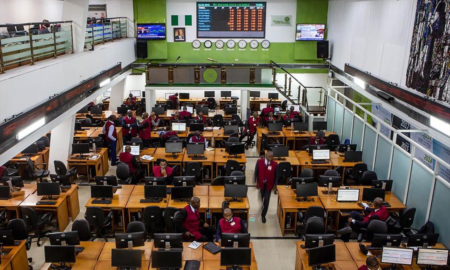









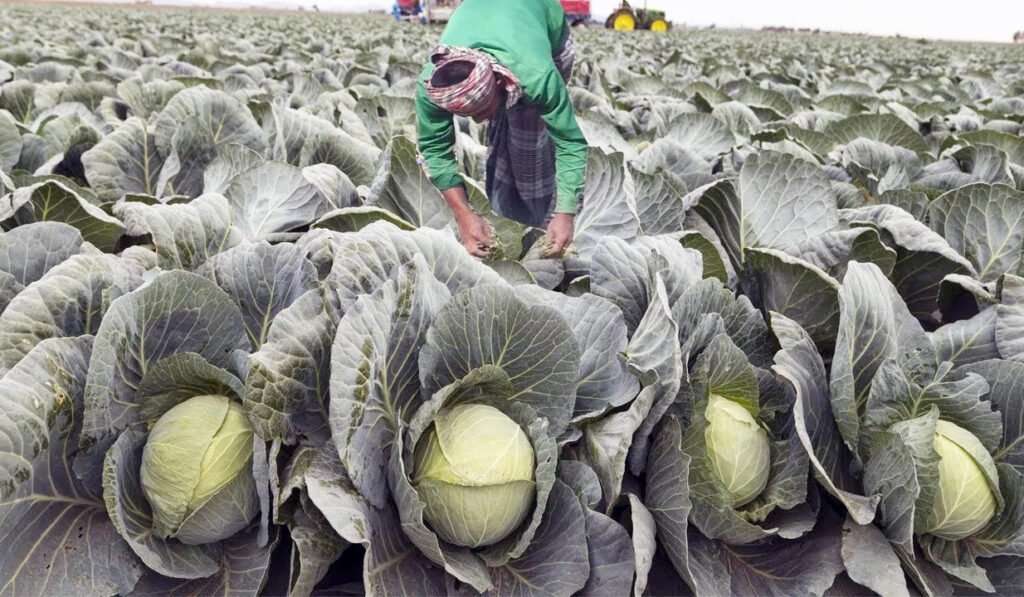
Nigeria, with its vast arable land, favourable climate, and youthful population, holds immense potential to become a food production powerhouse not only in Africa but globally. Yet, year after year, the country continues to grapple with food insecurity, relentless and senseless killings, and kidnappings and resultant rising food prices, hunger, and dependency on food imports. Now, more than ever, there is an urgent need to cast a collective vote — not at the ballot box, but through deliberate action and policy — for massive food production in Nigeria.
Food Security
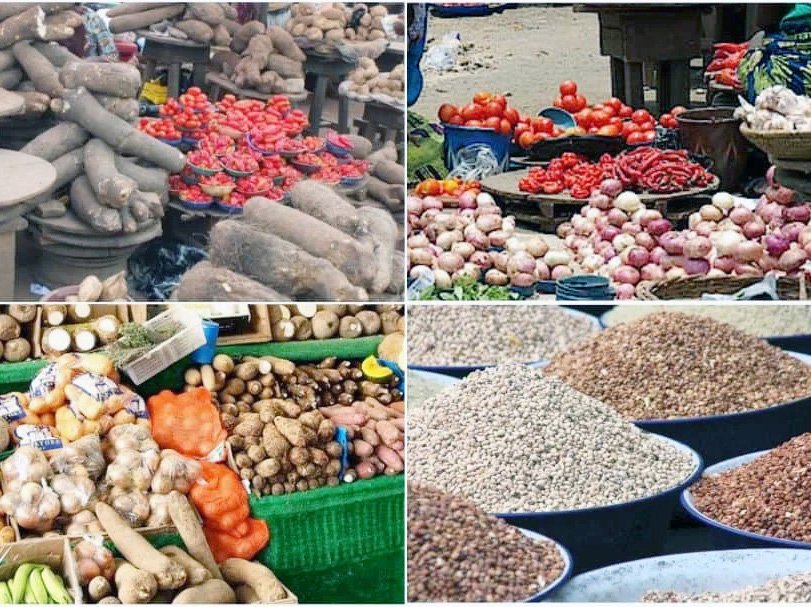
Nigeria’s population is projected to exceed 400 million by 2050, and ensuring food security for this growing populace must be a top priority. At present, millions of Nigerians face hunger and malnutrition, especially in rural and conflict-affected regions. A shift toward large-scale food production will not only feed the nation but also drive down inflation, reduce import bills, and stimulate economic growth.


Untapped Agric Potential
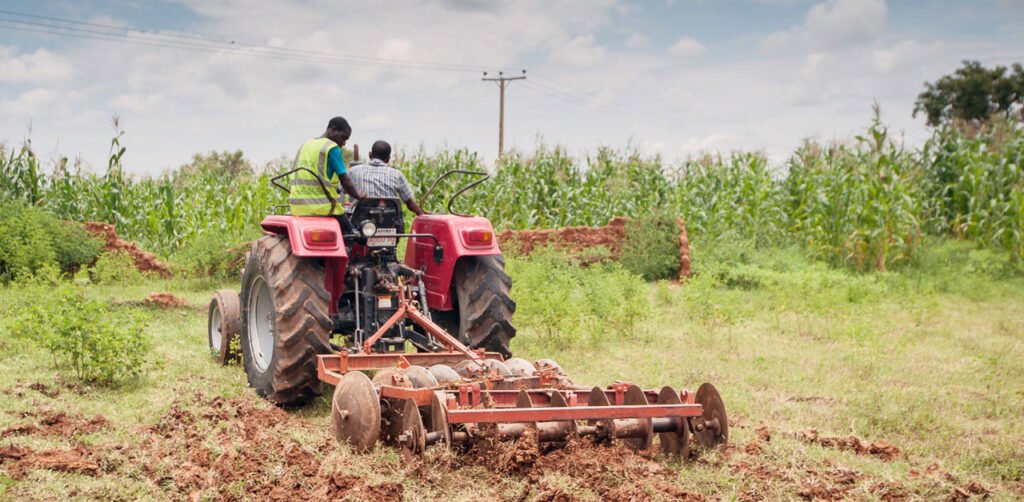
Nigeria is blessed with over 84 million hectares of arable land, yet less than 40% of it is cultivated. The country enjoys diverse agro-ecological zones capable of supporting a variety of crops year-round. With investment in mechanisation, irrigation, storage facilities, and research, Nigeria can significantly scale up its agricultural output.
Youth Engagement and Job Creation
Agriculture presents a massive opportunity for job creation, especially for Nigeria’s unemployed youth. Modern agriculture goes beyond the hoe and cutlass; it involves technology, innovation, and entrepreneurship. With proper training, funding, and access to markets, young Nigerians can drive a revolution in food production.
Role Of Government
Government support is crucial in creating the right environment for agricultural growth. Security agencies must ensure security of the lives of farmers and their farmlands. Government should make and execute policies that provide access to affordable credit, protect local farmers, improve infrastructure, and encourage private sector participation.
Programmes like the Anchor Borrowers’ Programme and the National Agricultural Technology and Innovation Policy (NATIP) are steps in the right direction, but more needs to be done to scale them up and ensure transparency and accountability.
Private Sector Participation and Innovation
Private investment and innovation are key to modernising agriculture. From farm management apps and drone technology to solar-powered irrigation and climate-smart practices, the private sector must be encouraged to bring transformative solutions to farms. Partnerships between government, private investors, and international agencies can accelerate this growth.
The Time To Act Is Now
The global food system is under pressure from climate change, geopolitical tensions, and economic disruptions. Nigeria cannot afford to remain a net importer of food. A vote for massive food production is a vote for economic independence, national security, and the well-being of future generations. We are entering a new planting season, an auspicious time to invest in food production. Do not be left out.
Last Line
Massive food production is not just an option; it is a necessity. Nigerians must rise to the occasion, harness its resources, empower its people, and implement bold policies. Only then can we truly feed ourselves and take our rightful place as the food basket of Africa.
Read the full article here