





The Confederation of African Fashion says it is targeting growth in Africa’s fashion economy from an estimated $60bn to $500bn by 2036, as it pushes for stronger local manufacturing, investment and market access.
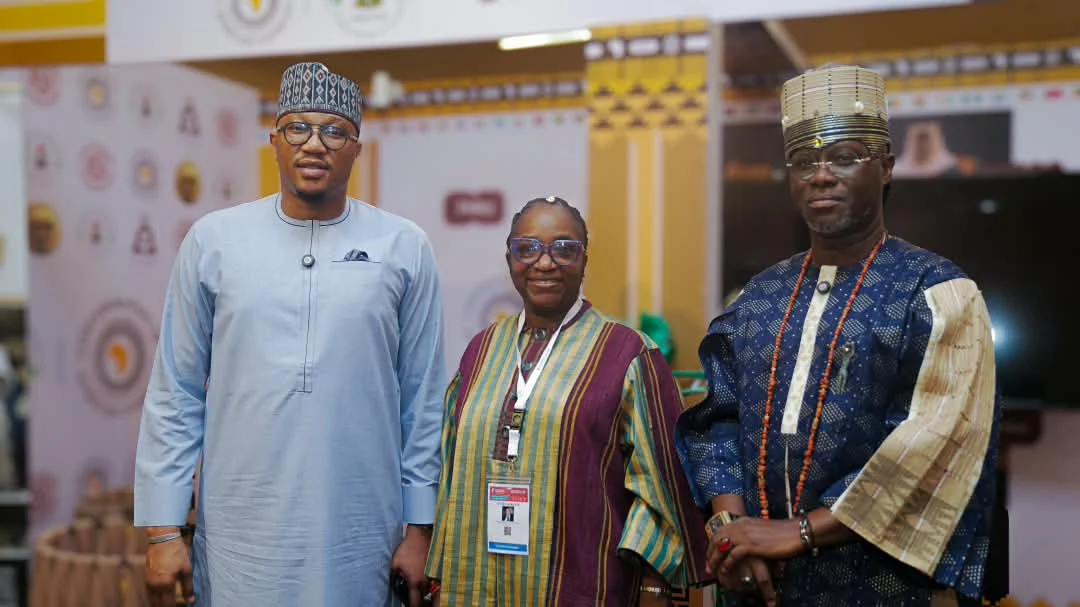
The organisation outlined its industry development agenda at CANEX WKND 2026, held in Lagos from November 5 to 8, according to a statement made available to our correspondent on Monday.
Highlighting its long-term ambition, CAFA said its work on industry standards, intellectual property protection and distribution was contributing to its goal of building a more competitive African fashion economy.
“These efforts contribute to its ambition to grow Africa’s fashion economy from an estimated $60 billion to $500 billion by 2036,” the statement read.
The organisation said Africa had considerable fashion talent, raw materials and an established community of designers, artisans and entrepreneurs, but gaps in textile processing, manufacturing infrastructure and production capacity continued to limit the industry’s growth.
“African fashion’s growth depends on the ability to produce competitively, consistently and at a scale that can serve both local and international markets,” it said.
CAFA identified these challenges as central to its Seed to Wear Programme, a 10-pillar roadmap designed to strengthen the African fashion value chain.
The programme connects cotton cultivation, fibre processing, textile production, fashion design, financing and distribution, among other areas of industry development.
At CANEX, CAFA’s Mission Coordinator, Reginald Ekeanyanwu, also spoke about making large-scale fashion manufacturing accessible to emerging and established designers.
The organisation said its objective was to create conditions in which African fashion businesses could produce competitively and retain greater economic value within the continent.
On the importance of financing the sector, CAFA said, “Manufacturing ambitions require investment. Expanding textile production, improving factory capacity, adopting modern technologies and developing stronger distribution networks all require access to appropriate financing.”
It said CANEX WKND brought together creative entrepreneurs, financiers, investors and institutions interested in the commercial development of Africa’s creative industries.
The event’s Finance Summit and Deal Room also reflected efforts to connect creative enterprises and viable projects with potential investors, according to the organisation.
CAFA said the investment opportunity extended beyond individual designers and collections to include the production facilities, technologies and industrial systems needed to support a more connected fashion economy.
It also highlighted its African Fashion Industry Growth Charter, which seeks to strengthen policy alignment and cooperation among African countries.
The Charter is intended to address industry barriers and support an environment in which manufacturing, investment and trade can develop together.
“For CAFA, Made in Africa represents an ambition for stronger African production, greater ownership and an industry capable of competing in global markets,” the statement said.
The organisation called on manufacturers, investors, financial institutions, fashion entrepreneurs and other stakeholders to collaborate in developing the continent’s fashion industry.
“Connect with CAFA to explore opportunities for collaboration and contribute to building a $500 billion African fashion economy,” it said.
Further information about the organisation and its programmes is available at www.cafa.africa.
Read the full article here