


The Nigerian government has reaffirmed its commitment to advancing climate action, calling for stronger international cooperation and increased climate financing to accelerate the global response to climate change.
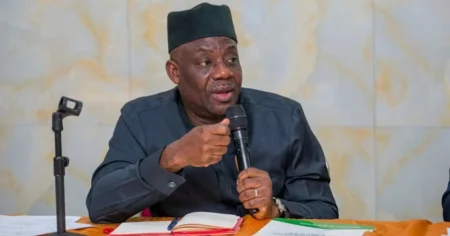
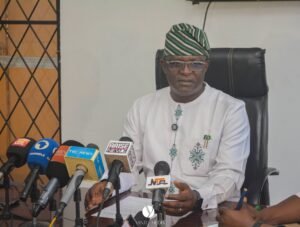
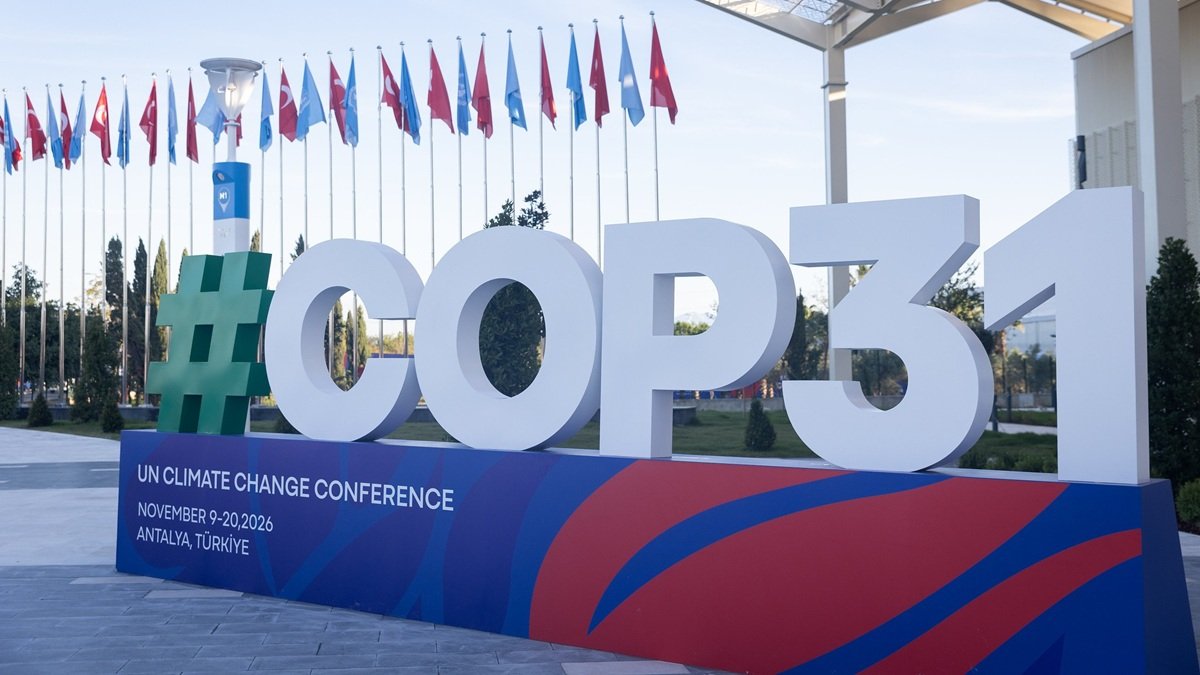
Nigeria’s Minister of Environment, Balarabe Lawal, stated the government’s position on Tuesday while delivering the country’s national statement at the high-level segment of the ongoing 31st session of the United Nations Climate Change Conference (COP31) in Türkiye.
Mr Lawal said climate action must serve as a catalyst for sustainable development and align with national priorities, including expanding access to affordable energy, strengthening food security, promoting industrialisation, creating employment and improving livelihoods.
He said Nigeria remained committed to a just and inclusive energy transition that reflects its national circumstances while expanding renewable energy deployment, safeguarding energy security and improving access to reliable and affordable electricity.
“Natural gas will continue to serve as an important transition fuel within our energy mix,” he said.
Adaptation and climate resilience
The minister identified adaptation and resilience as critical components of Nigeria’s climate priorities, highlighting the country’s National Adaptation Plan, submitted in September 2026.

He said the plan provides targeted interventions in climate-resilient agriculture, early-warning systems and disaster preparedness for vulnerable communities.
According to him, the framework combines climate risk analysis, economic appraisal, sector-specific strategies and financing approaches to strengthen the country’s capacity to respond to climate impacts.
Climate financing and investment
Mr Lawal said Nigeria was also pursuing innovative approaches to climate financing and investment to support its transition to a low-carbon and climate-resilient economy.
He cited the commercial launch of a $300 million Distributed Renewable Energy Fund in September 2026 as part of efforts to mobilise capital for expanding access to clean and reliable energy.
He added that the government was strengthening the country’s carbon market framework and advancing opportunities under Article 6 of the Paris Agreement to mobilise additional resources for domestic climate action.
However, the minister stressed that national initiatives alone could not deliver the scale of transformation required to address the climate crisis.
He called on developed countries and international partners to ensure that the global ambition of mobilising at least $1.3 trillion annually in climate finance by 2035 translates into accessible and affordable funding, particularly for developing countries.
“We call for increased concessional financing and reduced costs of capital confronting developing economies,” he said.
He also called for effective implementation of the Fund for responding to Loss and Damage, stressing the need for timely and meaningful assistance to countries affected by climate-related disasters.
Mr Lawal urged countries participating in COP31 better to align climate ambition, financing, and implementation, ensuring investments deliver tangible benefits to communities.
He said the conference must mark a decisive turning point in the global climate response by fostering partnerships that deliver lasting outcomes.
“Nigeria remains committed to an effective multilateral climate system founded on partnerships,” he said.
He expressed hope that the Antalya conference would be remembered as the moment countries moved decisively from commitments to implementation and from investment to resilience, prosperity and shared development.
COP31
COP31 hopes to offer an important opportunity for countries to advance negotiations on practical measures to address gaps in climate action implementation.
READ ALSO: COP31: Observers raise concerns as presidencies publish first draft of cover decision
Alongside the formal negotiations, the Global Climate Action Agenda will provide opportunities to boost electrification, improve access to climate finance and cut waste and emissions of super-pollutants such as methane.
PREMIUM TIMES reported that the African Group of Negotiators (AGN), of which Nigeria is a member, says it will push for increased climate finance, including an ambitious replenishment of the Green Climate Fund (GCF), among other priorities.
The group said securing adequate and predictable climate finance, particularly grant-based and concessional funding, would be central to Africa’s negotiating priorities at the conference.
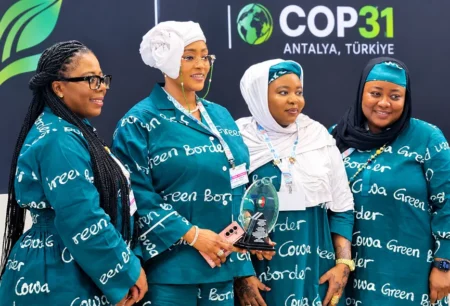
Nigeria is also ranked third among countries with the most registered participants at the ongoing climate talks. The talks, now in their final stretch, began on 9 November and are expected to conclude on 20 November.
Discover more from Premium Times Nigeria
Subscribe to get the latest posts sent to your email.
Read the full article here