




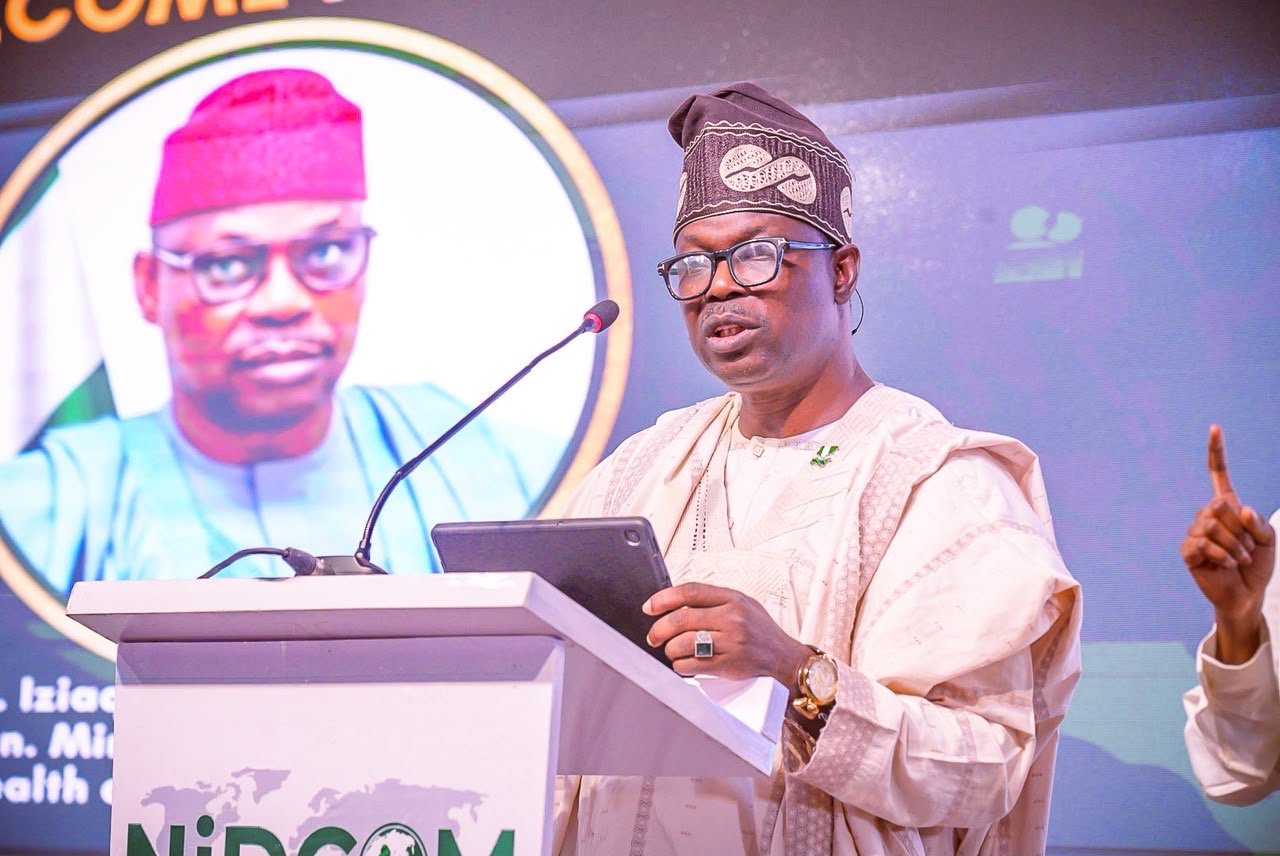
The federal government has announced plans to procure 25 additional linear accelerators between 2027 and 2029 to expand cancer treatment capacity across Nigeria.
The Minister of State for Health and Social Welfare, Iziaq Salako, disclosed this on Tuesday in Abuja at a meeting of the National Cancer Control Plan (NCCP) Technical Working Group and Global Advisory Council.
Linear accelerators are machines used in radiotherapy to deliver high-energy radiation to destroy cancer cells while limiting damage to surrounding healthy tissue.
Mr Salako said President Bola Tinubu had approved the procurement as part of a three-year plan to strengthen cancer care.
“Recently, President Bola Tinubu approved that between 2027 and 2029, the country should procure an additional 25 linear accelerators. We are executing a three-year plan to achieve this,” he said.

The minister said Nigeria’s cancer burden remained significant, with many patients presenting late for treatment while shortages of infrastructure, skilled personnel and funding continued to hamper access to care.
He said the government was implementing the National Cancer Control Plan 2026–2030, which focuses on prevention, early detection, treatment, research and partnerships.
Cancer centres, prevention
Mr Salako said construction of six Cancer Centres of Excellence had commenced, with three already completed and work progressing on the remaining facilities.
He said prevention was also central to the government’s cancer-control strategy.
The minister cited the introduction of the Human Papillomavirus (HPV) vaccine into Nigeria’s routine immunisation programme as one of the measures aimed at reducing preventable cancers.
“The President particularly continues to emphasise prioritising prevention. That is why one of the very first things he did was to approve that routinely, HPV vaccination should be part of our immunisation schedule,” he said.
He added that efforts were underway to strengthen hepatitis vaccination, expand cervical cancer screening and integrate screening services into primary healthcare facilities.
Mr Salako also inaugurated the Blood Cancer Consortium following the donation of equipment and other resources aimed at strengthening pathology laboratories across the country.
Coordinating cancer response
The President of the Nigerian Cancer Society, Abidemi Omonisi, commended the government for promoting a coordinated approach to cancer prevention and treatment.
Mr Omonisi identified fragmented interventions among stakeholders as a major challenge, noting that poor coordination had often resulted in duplication of efforts and limited impact.
He said the NCCP Technical Working Group was addressing the challenge by bringing together government agencies, researchers, clinicians, development partners and cancer organisations under a unified agenda.
According to him, stronger international partnerships and diaspora engagement could enhance research, technology transfer, capacity building and access to advanced cancer-care services.
Earlier, the Chair of the NCCP Technical Working Group, Folakemi Odedina, said the group had moved rapidly from planning to implementation.
She said the initiative had united government institutions, academics, patients, advocates, survivors, industry players and international partners around a common cancer-control agenda.
Ms Odedina said progress was being recorded in prevention, early detection, treatment, survivorship, palliative care, research, clinical trials, workforce development and digital health initiatives.
She added that the Global Advisory Council was providing expertise in cancer prevention, treatment, genomics, implementation science, workforce development, data management and artificial intelligence.
According to her, efforts were also underway to strengthen Nigeria’s oncology clinical trials ecosystem and improve patient access to innovative treatment options.
“We intend to produce trained people, stronger institutions in Nigeria, better research, expanded clinical trials, improved technologies, greater access to care, and ultimately better outcomes for Nigerian cancer patients,” she said.
She emphasised that access to treatment alone would not guarantee improved outcomes if patients lacked resources for transportation, nutrition and accommodation during care.
Liver cancer
Lewis Roberts of the Mayo Clinic Comprehensive Cancer Centre called for increased attention to liver, pancreatic and biliary tract cancers in Africa.
“Liver cancer is one of the major causes of cancer deaths in Africa. Across the continent, it’s the number three cause of death from cancer,” he said.
Mr Roberts advocated stronger screening programmes, improved detection and treatment of viral hepatitis, and wider vaccination coverage to reduce the risk of liver cancer.
The meeting reviewed progress under the National Cancer Control Plan and strategies for improving cancer prevention, early detection, treatment, research and survivorship care in Nigeria.
(NAN)
Discover more from Premium Times Nigeria
Subscribe to get the latest posts sent to your email.
Read the full article here