







2
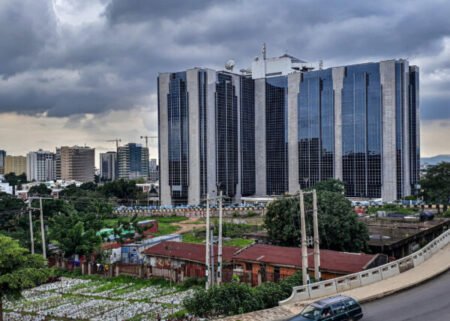
ABUJA – A former Southeast spokesman for President Bola Ahmed Tinubu, Denge Josef Onoh, has cautioned that the ongoing conversion of Abuja’s designated green areas into private developments poses a serious setback to the Federal Capital Territory’s urban renewal objectives, warning that it undermines climate resilience, liveability and the founding vision of Nigeria’s capital.
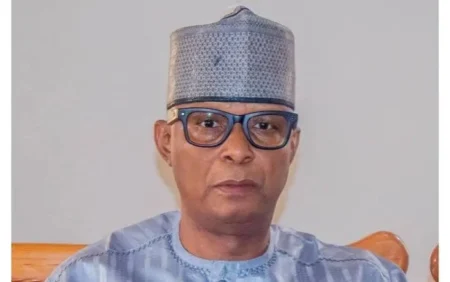
Onoh, who also chairs the Forum of Former Members of the Enugu State House of Assembly, accused the Minister of the FCT, Nyesom Wike, of presiding over what he described as a gradual dismantling of the Abuja Master Plan, with far-reaching consequences for sustainable urban development in the city.
He recalled that the 1979 Abuja Master Plan—developed by International Planning Associates and refined by Japanese architect Kenzo Tange—deliberately reserved about one-third of the FCT’s landmass for green belts, parks and ecological corridors.
These, he said, were central to the capital’s design as a modern, climate-responsive city.
According to Onoh, the green zones were intended to moderate temperatures in the savannah environment, absorb carbon emissions, manage stormwater through natural drainage corridors, improve air quality, protect biodiversity and provide recreational spaces—features that are now widely recognised as core pillars of urban renewal in global capitals.
“These provisions were not decorative,” he said. “They were fundamental infrastructure for environmental balance, public health and economic sustainability.”
Onoh warned that the recent surge in land conversions, particularly since 2023, threatens to reverse decades of planning and compromise ongoing efforts to renew Abuja as a functional, liveable capital. He alleged that green areas in Guzape, Maitama, Wuse, Katampe and Kado—including floodplains and utility corridors—have been reallocated for residential and commercial estates.
He claimed that compliance with green zoning has dropped to roughly 60 per cent, with per capita green space now below four square metres per resident, far beneath World Health Organization standards.
This, he said, weakens the foundation of any meaningful urban renewal strategy.
The environmental impact, Onoh argued, is already evident.
He cited rising urban heat, recurrent flooding in parts of Asokoro, Guzape and Wuse, declining air quality and increasing risks of land degradation— outcomes that complicate infrastructure renewal and inflate the long-term cost of city management.
Beyond environmental concerns, he said the trend threatens Abuja’s economic attractiveness, warning that frequent flooding, loss of open spaces and deteriorating living conditions could depress property values, strain public health systems and discourage investment.
Onoh further noted that the developments contradict Nigeria’s obligations under the Paris Agreement and the Tinubu administration’s publicly stated climate and energy transition goals.
“Urban renewal cannot be separated from climate responsibility,” he said.
“Unchecked expansion that ignores ecological planning undermines both national climate commitments and the credibility of Abuja as a model African capital.”
Drawing from his experience as Commissioner and Executive Chairman of the Enugu Capital Territory Development Authority, Onoh said strict enforcement of Enugu’s master plan—including demolition of illegal structures and restoration of green zones—contributed to the state’s national green award in 2025.
He warned current allottees of former green areas to exercise caution, noting that future administrations may reverse such allocations in the interest of restoring the master plan.
Onoh called on President Tinubu to intervene, urging the Federal Government, National Assembly and civil society groups to halt further conversions, conduct a comprehensive audit of compliance with the Abuja Master Plan and prioritise the restoration of lost green spaces.
Read the full article here