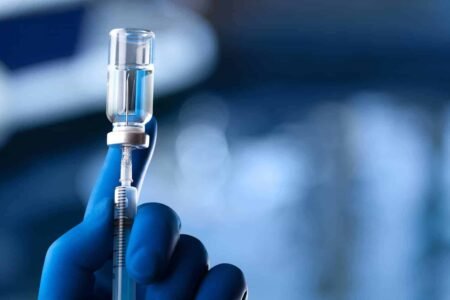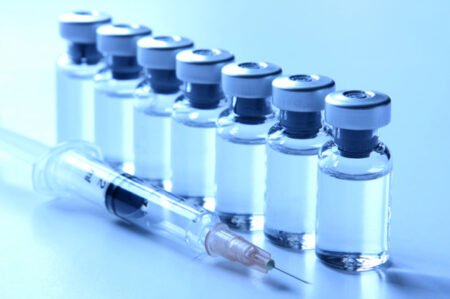









Researchers in the United States have reported promising results from a personalised cancer vaccine designed to prevent melanoma from returning or spreading.
The vaccine, known as intismeran autogene, is being developed by Moderna, a biotechnology company, in partnership with Merck, a biopharmaceutical company.
It is designed for patients with high-risk melanoma after their tumours have been surgically removed, Reuters reported.
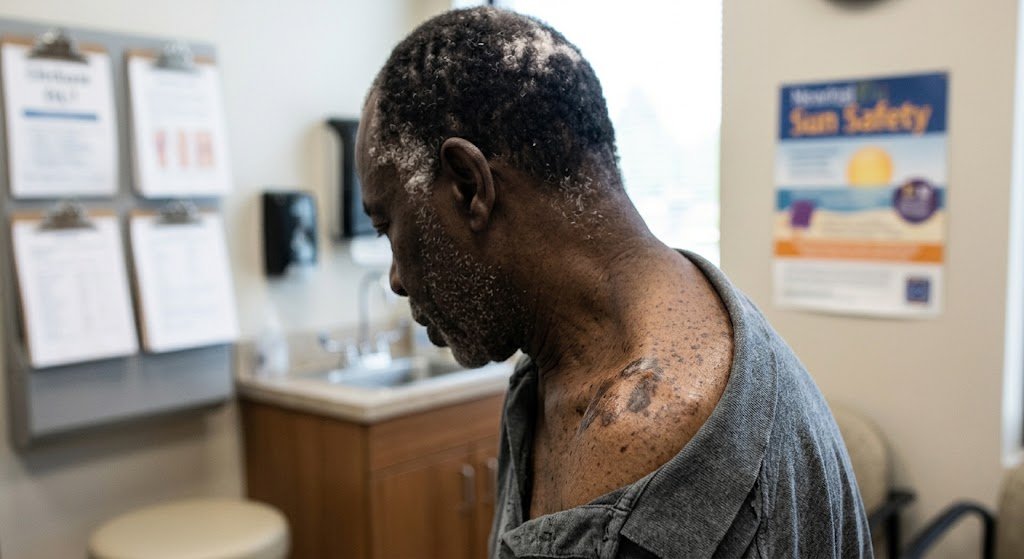
According to the National Cancer Institute (NCI), melanoma is less common than other major types of skin cancer but is more likely to invade nearby tissue and spread to other parts of the body. Most deaths from skin cancer are caused by melanoma.
The American Cancer Society estimates roughly 112,000 new cases of invasive melanoma and 8,510 deaths for 2026.


Merck and Moderna said the vaccine helped prevent the return and spread of melanoma in a large trial involving more than 1,000 patients. The patients had localised tumours that had been surgically removed but were considered to have a high risk of recurrence.
More about the vaccine
The treatment combines a personalised mRNA vaccine with Merck’s immunotherapy drug, Keytruda.
Unlike chemotherapy, which kills both healthy and cancerous cells, personalised cancer vaccines are designed to train the immune system to target mutations specific to a person’s tumour, Reuters reported.
The treatment uses up to nine doses of Keytruda, given every six weeks, together with up to nine doses of a customised mRNA vaccine. The vaccine is designed based on the specific mutations in a patient’s tumour and instructs the immune system to attack the patient’s cancer cells.
Merck describes intismeran autogene as an “mRNA-based individualised neoantigen therapy” designed around the unique mutational signature of a patient’s tumour. The company said it uses synthetic mRNA coding for up to 34 neoantigens.
Neoantigens are features of cancer cells that can help the immune system recognise and attack them.
What the trial found
Merck and Moderna said earlier five-year data from a Phase 2b trial showed that adding intismeran autogene to Keytruda reduced the risk of cancer returning or death by 49 per cent, compared with Keytruda alone.
The combination also reduced the risk of the cancer spreading to distant parts of the body or death by 59 per cent, according to Merck.
Ryan Sullivan, director of the Centre for Melanoma at Mass General Brigham Cancer Institute, described the findings as “a big deal for the field in general.”
“With this positive study, there is hope,” Sullivan told Reuters, adding that the approach could change the way cancer is treated more broadly.
The Chief Medical Officer of the American Society of Clinical Oncology, Julie Gralow, described the trial results as “a monumental leap forward,” saying they validate mRNA technology as a cancer treatment.
Elizabeth Buchbinder, a melanoma specialist at the Mass General Brigham Cancer Institute, said melanoma was chosen for testing partly because it produces many mutations, making it easier for the immune system to identify.
Buchbinder said many other cancer types also produce multiple mutations, suggesting the approach could have broad applications.
“We’ll see, but it’s definitely an area that is going to be exploding, especially with these results coming out,” she was quoted as saying.
More cancers being studied
The research is already moving beyond melanoma. Reuters reports that Moderna and Merck are conducting trials of the treatment in other cancers, including non-small cell lung cancer, bladder cancer and kidney cancer.
The companies are also studying the approach in pancreatic and stomach cancers, with results from several trials expected over the next one to two years, Moderna President Stephen Hoge told Reuters.
Other companies are also developing similar mRNA cancer vaccines. Roche and BioNTech are testing a similar treatment, known as autogene cevumeran, in patients with colon and pancreatic cancers who have undergone surgery.
READ ALSO: FEC approves N540bn to upgrade National Hospital, build cancer centre
“We should be hearing results from multiple studies over the next few years, and there’s every reason to hope now,” Robert Vonderheide, president-elect of the American Association for Cancer Research, said.
However, the current melanoma trial is still ongoing, and the companies have not released the full results. Researchers will continue to follow participants to determine whether the treatment also extends overall survival.
In January, PREMIUM TIMES reported that Spanish scientists had eliminated pancreatic cancer tumours in laboratory mice using a combination of three drugs.
The researchers, however, stressed that the treatment had not yet been tested in humans and that further validation and safety testing would be required before human trials.
Discover more from Premium Times Nigeria
Subscribe to get the latest posts sent to your email.
Read the full article here