





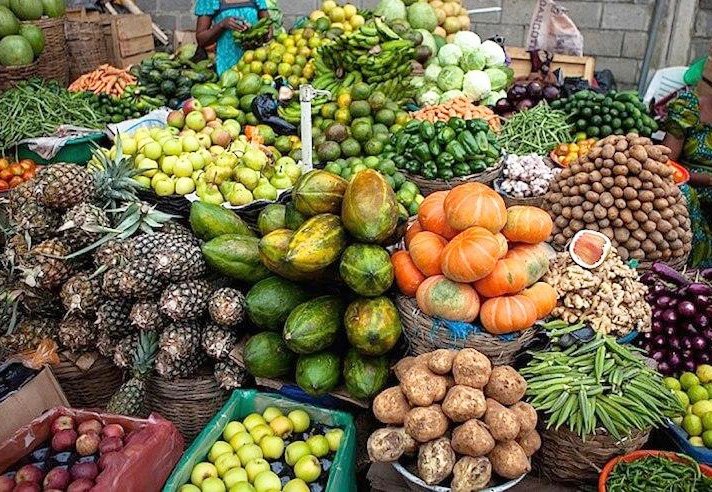
Agribusiness presents a wide range of opportunities for any interested individual to make money and live the type of life one wants. One of such opportunities is in fruit farming.
In Nigeria, fruit farming is a very promising venture, with prospects of continuous streams of income, economic growth, food security, and poverty reduction.
Facts About Fruit Farming
Growing Demand
Nigeria’s population is growing, and the demand for fruits is increasing, and driven by a rising middle class and increasing consumer preferences.
Diverse Climate
Nigeria has diverse climates that allow for the cultivation of a wide range of fruits, including tropical and temperate varieties. She is blessed with a tropical climate and fertile land, is one of Africa’s top producers of a wide variety of fruits. From the humid rainforests of the south to the drier savannah regions of the north, almost every part of Nigeria supports some form of fruit cultivation or the other. Fruits not only contribute to food security and nutrition but also support the country’s economy through local markets and export opportunities.
Employment Opportunities
Fruit farming can create employment opportunities for Nigerians, both directly and indirectly, contributing to poverty reduction and economic growth.
Export Potential
Nigeria can export fruits to other other countries of the world, generating foreign exchange earnings and improving the country’s trade balance.
Nutritional Benefits
Fruits are rich in essential nutrients, and increased fruit production can improve food security and nutrition in Nigeria.
Major Fruits With Great Potentials
Mango
Mango is widely grown across Nigeria, particularly during the dry season when it becomes a major source of income for farmers.
Citrus (Oranges, Lemons, Tangerines, Grapefruits)
Nigeria is one of the leading citrus producers in Africa. Oranges are especially common and form a significant part of local consumption and juice production.
Pineapple
Pineapple is a popular fruit, cultivated largely in the southern parts of Nigeria.
Banana and Plantain.
These fruits are staple foods for many Nigerians, and they grow abundantly in the tropical and humid regions.
Guava
This is grown throughout Nigeria. Guava is valued both for eating fresh and for juice production.
Papaya (Pawpaw)
Papaya thrives almost year-round in Nigeria’s tropical weather.
Watermelon
Watermelon farming has expanded rapidly, especially in the northern states, where it fits into irrigation-based farming systems.
Avocado
This is grown mainly in cooler highland areas and southern Nigeria.
Coconut
Predominantly cultivated in coastal areas, especially in Lagos and Badagry.
Cashew (Fruit and Nut)
The cashew apple is consumed locally, while the nuts are often exported.
States with the Highest Fruit Production
Benue
Benue State is known as the “Food Basket of the Nation,” Benue leads in the production of citrus fruits (especially oranges) and mangoes.
Oyo
Major producer of citrus, particularly sweet oranges, as well as bananas and plantains.
Osun
Prominent for cocoa but also a leading producer of fruits like oranges, pawpaw, and bananas.
Kano
A major watermelon producer in Nigeria and also grows guava and other tropical fruits.
Kaduna
Produces a variety of fruits including mangoes, guava, and watermelon, benefitting from both rain-fed and irrigated farming.
Lagos
Significant for coconut production along its coastlines, and also produces citrus and bananas.
Cross River
Known for pineapples and bananas due to its humid and fertile land.
Edo
Produces large quantities of pineapples, citrus, and plantains.
Delta
Another strong pineapple and coconut producing region.
Taraba
Ideal for avocado and citrus due to its relatively cooler temperatures in the Mambilla Plateau region.
The advantage of fruit farming is that one-off investment continues to yield income every year. It will henceforward require minimal clearing of weeds to give them proper fruiting. So if you want sustainable income on yearly basis, your best bet is to invest in fruit plantations.
You can send me a mail if you want a complete guide on the production of any fruit of your choice.
Read the full article here