




What is organic fertiliser?
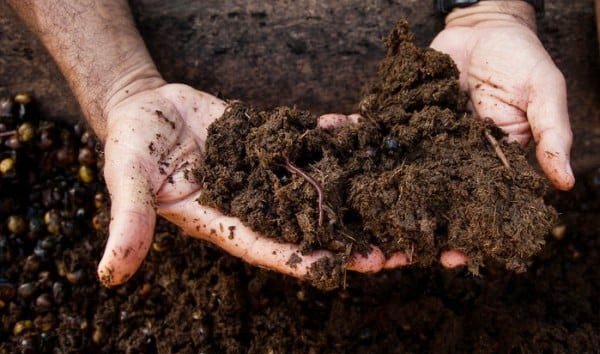
Producing organic fertilizer is all about converting animal wastes and compost into fertiliser. They are mainly derived from natural sources such as animal waste, compost, and plant residues. They are used to improve soil structure, increase nutrient content, and enhance plant growth without the harmful side effects associated with synthetic or chemical fertilisers.
High Demand For Organic Fertilizers
With the rising demand for sustainable agriculture, environmentally friendly farming practices and concern for healthy living, organic fertilizer production has become a lucrative and impactful venture.
Many consumers are aware of the debilitating effect of chemical fertilisers on food and health and so are shunning produce grown with chemical fertilisers. They prefer those produced with organic fertilisers because they are more nutritious and not harmful to body systems. Besides, those produced with organic fertilisers have longer shelf lives than those produced with chemical fertilisers. For instance, if buy tubers of yams produced with chemical fertilisers, before long they will get rotten. But those produced with organic fertilizers can last till the next planting season.
Understanding Basics Of Organic Fertilizer
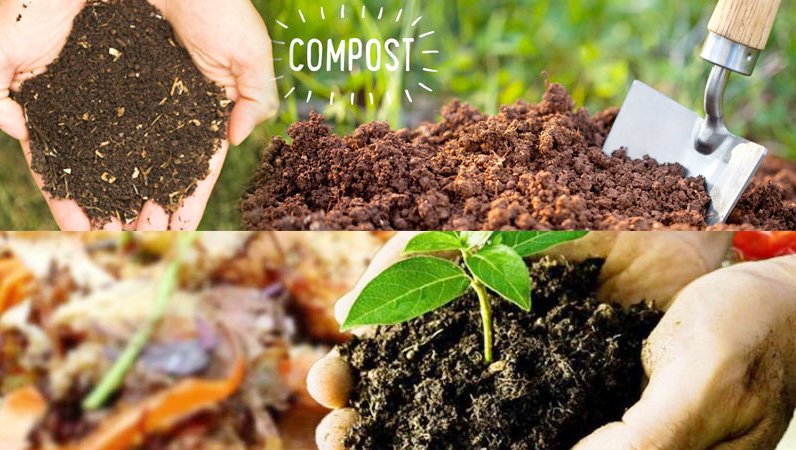
Organic fertilizer is made from decomposed organic matter. It enriches the soil with nutrients and enhances its microbial activity. The common sources of organic fertilisers are animal manure which could be got from poultry, cow or goat droppings. Farmers who know their value patronise poultry farms for their manure. Goat and cow farmers make a lot of money from wastes in their pens. Another way to produce manure is through compost, mainly from plant residues, food wastes, and agricultural bye-products.
The third one is through crop residues and green manure.
Source Of Raw Materials
You need a steady and reliable supply of raw materials and the common sources are animal farms for manure such as poultry droppings, cow dungs, pig wastes etc. Another source of raw materials are food processing plants and markets for organic wastes.
You could also explore local farms for crop residues and other plant materials.
A note of warning! Ensure that the materials are free from non-organic wastes like plastic or metals.
Choose Your Fertilizer Type
Organic fertilizers can be produced in different forms. It could be in powdered form; dried and ground for easy application.
Granular: Easier to package and handle; and then Liquid, created through compost tea or fermentation and ideal for foliar application.
Composting Process
This is the heart of organic fertilizer production. The goal is to decompose organic materials into nutrient-rich humus. The following steps can be taken: Collection and Sorting: Remove inorganic wastes.
Shredding: Break down materials into smaller pieces for faster decomposition. Mixing: Combine high-nitrogen (animal wastes) and high-carbon (plant wastes) materials.
Stacking: Create compost piles or use bins.
Moisture Management: Keep the pile moist but not wet.
Turning the Pile: Regularly turn the compost to aerate and speed up decomposition. Curing: Allow the compost to sit for 2–3 weeks to mature. Note that complete composting takes 6–12 weeks depending on the material and process used.
Processing and Packaging
Once composting is complete the next stage is:
Dry the fertilizer to reduce moisture content.
Grind and sieve for consistency.
Pelletize or granulate if producing granular fertilizer.
Package in labeled bags (e.g., 5kg, 10kg, 25kg) including information such as the ingredients, application instructions, and benefits.
Ensure Quality Control
Test the final product for: nutrient content (NPK values); pathogens or harmful microbes; and moisture and pH levels.
You can partner with agricultural research labs or institutions to ensure quality assurance.
Comply With Extant Regulations
In most regions, fertilizer production is regulated. In that case, register your product with the agricultural authority; meet environmental standards on waste management and pollution control, and label products in compliance with local laws.
Marketing and Distribution
Your target markets include local farmers, gardeners, agricultural cooperatives, and agro-dealers and input shops. You can advertise your product in the social media, agricultural exhibitions, or use demo farms to promote your product.
Leverage Technology To Scale Production
As your customer base grows, you can invest in technology and equipment such as compost turners and shredders, granulating machines, packaging systems and transport vehicles.
You will agree with me that organic fertilizer production is a sustainable business that benefits both the environment and agriculture. By converting animal waste and compost into valuable nutrients, you contribute to greener farming and create a profitable venture. As we are entering into the planting season, the best time to start is now. With the right planning, sourcing, and processing, anyone can succeed in this agribusiness. So, dare to succeed; remember that luck favours those who dare. Best of luck.
Read the full article here