





The agricultural sector makes significant contributions to Nigeria’s Gross Domestic Product (GDP) annually.
However, a large part of farm produce is lost post-harvest due to poor packaging and inefficient distribution systems.
This creates a gap which budding entrepreneurs can leverage to make money by offering effective packaging and distribution services.

Research
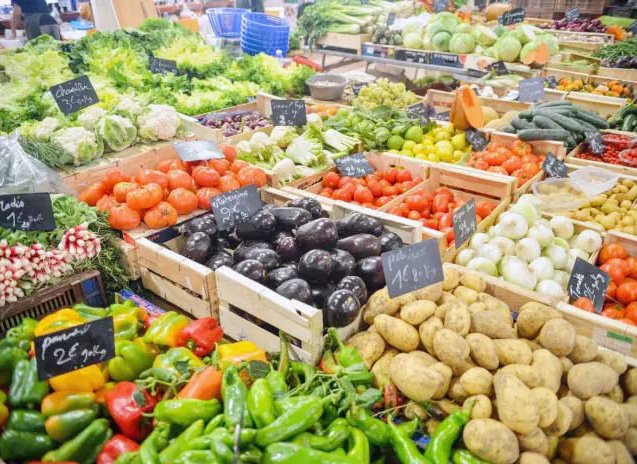
The first step in this type of agribusiness is to embark on research to identify agro produce with strong local or export market demand. Grains such as maize, rice, millet, sorghum, or vegetables such as tomatoes, peppers and onions have the potential to create wealth in this direction.
Other produce could be roots and tubers such as yam, cassava and potatoes.
Likewise, fruits like mangoes, pineapples, oranges or dry goods such as beans, dried fish, crayfish and garri are no exception.
Understanding the market demands of these commodities will enable you to choose produce with better turnover and less spoilage risks.
Invest In Quality And Attractive Packaging
Packaging is very necessary to extend the shelf life commodities, preventing contamination; attracting customers and enhancing brand identity.
Use food-safe, eco-friendly, and tamper-proof materials. Transparent, resealable bags, vacuum sealing, and customised labeling can give your brand an edge in stores or export markets.
Products like spices, dried fruits, and grains do well in branded retail packages, especially in supermarkets and e-commerce platforms and export markets.
Build Strong Supply Chains
To succeed in this type of ventures, you need to identify and partner directly with farmers and cooperatives to buy at competitive prices, ensure consistent supply, improve traceability and quality control.
You also need to establish collection centres near farming hubs to streamline procurement and reduce transport costs.
Invest In Logistics and Distribution
You need to fashion out efficient distribution systems to ensure the produce gets to the markets fast and fresh.
It is advisable to consider owning or leasing delivery vans or cold storage trucks, partnering with third-party logistics companies and using e-commerce and delivery apps to reach urban customers.
Urban centres like Lagos, Abuja, Port Harcourt, and Kano have large markets that rely on regular supply of packaged agro produce.
You can explore those areas for your agribusiness.
Leverage Technology
Technology has simplified many operations. Leverage technology tools for inventory and supply chain management, online marketing and sales, mobile payment integration and customer feedback and analytics.
Platforms such as WhatsApp Business, Jumia, and social media can be very helpful in your marketing and selling directly to consumers or retailers.
Comply with Regulatory Requirements
To access high-end retail or export markets, you need to register with National Agency for Food and Drug Administration and Control (NAFDAC) or Standards Organisation of Nigeria (SON).
Ensure packaging complies with food safety and labeling regulations. For exports, follow international standards e.g., FDA, EU guidelines. Get proper documentations to increase trust and market access.
Training
Go for training where necessary to avoid huge losses at the start of your business.
Trial and error method often leads to disaster.
Explore Export Opportunities
Nigeria’s agro exports are growing rapidly. Explore packaging of dry foods, spices, and processed produce.
They are in high demand among the Diaspora where you earn in dollars and other strong currencies of the world.
Use export-friendly packaging and partner with freight forwarders or export hubs like Nigerian Export Promotion Council (NEPC) to access global markets.
Start Small and Scale Strategically
Begin with one or two product lines, test your distribution channels, gather customer feedback, and scale up based on demand.
Invest profits in better packaging machines, cold storage, and fleet expansion as your network grows.
Profiting from packaging and distribution of agro produce in Nigeria is highly feasible with the right strategy. The key is solving real problems—like spoilage, poor presentation, and inefficient supply chains—while offering convenience, quality, and consistency.
With increasing demand for clean, well-packaged, and accessible farm products, now is the perfect time to get started.
Now, which product would you like to invest in – tomatoes, grains, or cassava?
If you need further assistance, email me know at celestineamoke@yahoo.com
To your success!
Read the full article here