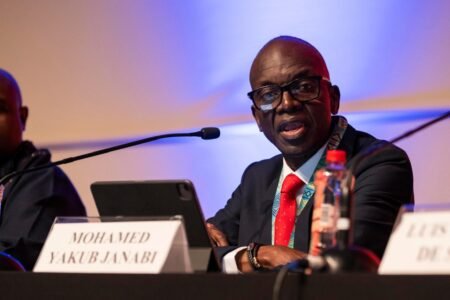







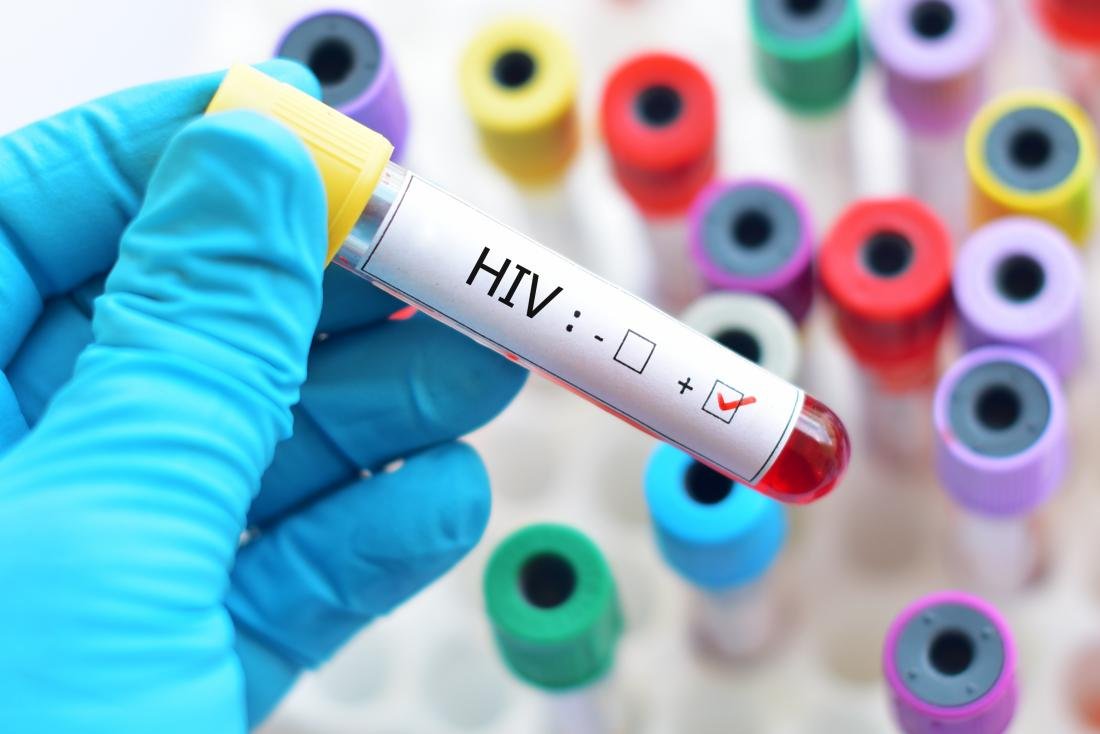
The immediate past chairman of the Nigeria Medical Association (NMA), Lagos State chapter, Babajide Saheed, has challenged the interpretation of figures showing that Lagos recorded 10,430 new HIV cases in 2025, arguing that the data reflects routine HIV testing rather than newly diagnosed infections.
Mr Saheed made the clarification on Channels Television during The Morning Brief show on Wednesday while reacting to figures from the ”State of the Health of the Nation Report 2025,” which have sparked widespread discussion on social media.
The report indicates that Lagos recorded 10,430 new HIV cases in 2025, the highest among Nigeria’s 36 states and the Federal Capital Territory (FCT), and higher than the combined figures for Kaduna, Adamawa and the FCT.
During the programme, the television anchors questioned why Lagos continued to record such high numbers despite years of HIV awareness campaigns and prevention efforts.
Interpretation
Responding, Mr Saheed said the figures should not be interpreted as newly diagnosed HIV infections.


According to him, the numbers largely represent HIV positivity from routine testing carried out among people already receiving treatment, alongside newly diagnosed cases.
“It is routine testing,” he said repeatedly during the interview, urging viewers to refer to the clarification issued by the National Agency for the Control of AIDS (NACA).
He explained that people living with HIV routinely undergo tests while receiving antiretroviral treatment, and those results are captured in health records.
However, despite disagreeing with the interpretation of the figures, Mr Saheed acknowledged that Lagos continues to bear a significant HIV burden.
He described the situation as “a red flag”, noting that Lagos, alongside states such as Rivers and Benue, has consistently recorded high HIV numbers over the years.
Factors driving the trend
Mr Saheed attributed the trend to a combination of reduced international donor funding, economic hardship and challenges accessing HIV treatment.
He said funding cuts by international partners, coupled with Nigeria’s economic situation, may have contributed to disruptions in HIV services.
“If people cannot afford to feed themselves, how can they afford transportation to the hospital?” he said.
He urged the federal government to increase domestic funding for HIV programmes, invest in local production of antiretroviral medicines, strengthen public awareness campaigns and decentralise HIV treatment to primary healthcare centres and private facilities.
Mr Saheed also called for intensified public education on HIV prevention, including condom use, abstinence and early testing, particularly among young people and women, whom he identified among the groups most affected.
PREMIUM TIMES review
A review of the 2025 Final State of the Health of the Nation Report, produced by the Federal Ministry of Health and Social Welfare, confirmed that Lagos recorded 10,430 new HIV cases in 2025, down from 14,622 in 2024.
The report also shows that Lagos recorded the highest number of reported new HIV cases among the 36 states and the Federal Capital Territory (FCT).
Further review of the data shows that, aside from Lagos, the highest figures were recorded in Rivers (6,287), Kano (6,010), Akwa Ibom (5,413), Taraba (4,854), Benue (4,804), Anambra (4,468) and Kaduna (3,699).
Other states
The report revealed that other states recorded comparatively lower figures, including Adamawa (2,989), Bauchi (2,736), FCT (2,764), Sokoto (2,592), Abia (2,546), Cross River (2,545), Imo (2,539), Delta (2,469), Nasarawa (2,410), Borno (2,311), Zamfara (2,134), Ogun (2,107), Plateau (2,084), Niger (2,020), Ebonyi (2,015), Oyo (1,910), Jigawa (1,776), Kogi (1,752), Ondo (1,622), Edo (1,619), Kebbi (1,572), Katsina (1,541), Yobe (1,483), Enugu (1,479), Kwara (1,371), Osun (1,093), Gombe (1,083), Bayelsa (982) and Ekiti (462).
READ ALSO: US HIV funding withdrawal from South Africa could cost lives, UNAIDS warns
The report also shows that Ekiti recorded the lowest figure nationwide, followed by Bayelsa, Gombe, Osun, Kwara, Enugu and Yobe, while Lagos, Rivers, Kano, Akwa Ibom, Taraba and Benue recorded the highest numbers.
NACA’s earlier clarification
In April, NACA cautioned against interpreting similar state-by-state HIV figures as representing the actual burden of the disease, saying they had been taken out of context.
The agency explained that the figures reflected HIV positivity from routine testing conducted in health facilities and should not be used to estimate HIV prevalence or incidence or rank states by disease burden. It said such data are influenced by factors including population size, testing coverage and reporting practices.
NACA also warned that HIV data should only be generated, interpreted, and disseminated by authorised government health institutions, in line with established protocols, to avoid misleading the public.
Read the full article here