



The Lagos State Commissioner for Health, Akin Abayomi, has revealed that there are 1,800 private and 362 public healthcare facilities in the state.
Mr Abayomi provided an analysis of Lagos’ healthcare landscape at the 10th African Conference on One Health and Biosecurity on Thursday.
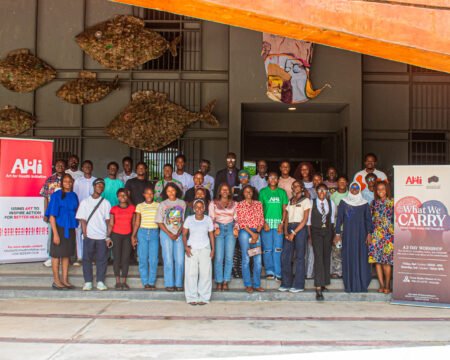
The two-day conference is organised by the Global Emerging Pathogens Treatment Consortium (GET) in collaboration with the Lagos State Ministry of Health, bringing together global experts, policymakers, and stakeholders to address Africa’s preparedness against global health threats.
Giving a breakdown of the public facilities, the commissioner said there are 31 secondary public hospitals, five tertiary facilities, and 326 primary centres across the state.
According to Mr Abayomi, Lagos serves as a healthcare hub, with over 12.5 million people accessing care annually.
However, he said the state still faces challenges, including significant bed shortages, prompting the need for increased investment in healthcare.
Sustainability of health system
In his presentation titled: “Strengthening and Sustainability of Lagos State’s Health System,” Mr Abayomi spoke on the Lagos Development Plan 2052, which aims to boost healthcare infrastructure and human resources.
He noted that the state plans to increase the intake of healthcare professionals from 100 to 1,000 annually and leverage private sector partnerships to enhance primary healthcare.
“The private sector will be pivotal in addressing Lagos’ healthcare needs,” he stated, urging more local investment to reduce medical tourism.
According to Mr Abayomi, the state must also address the $1.5 billion Nigerians spend on medical treatment abroad each year.
“Orthopaedics, cardiology, and oncology are among the top specialties that drive outbound medical tourism. The state’s new strategic initiatives focus on making Lagos a leading destination for healthcare and reversing this trend,” he said.
 Africa’s preparedness for health threats
Speaking at the conference, Former Governor of Lagos State, Babatunde Fashola, and GET Consortium’s Chief Operating Officer (COO), Ayodotun Bobadoye, emphasised the urgent need to strengthen Africa’s health system.
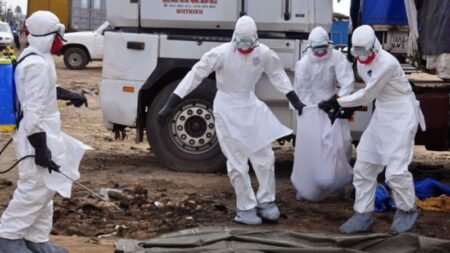
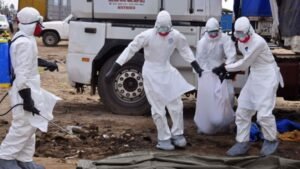
Mr Fashola spoke on the need to prepare Africa for the inevitable emergence of new pandemics, highlighting lessons learned from Lagos State’s battle against Ebola.
“It was the first time Ebola surfaced in an urban environment,” he said, adding: “We need to prepare rigorously for more pandemics. Antimicrobial resistance is a pressing concern, with antibiotics becoming less effective. This is no longer an abstract issue but one with immediate consequences”.
Mr Fashola urged strict enforcement of environmental laws, noting that “open defecation and poor sanitation threaten public health.”
He said urban planners and environmental regulators must prioritise sanitation “as it’s our first line of defense.”
He proposed a greater investment in educational documentaries to raise public awareness.
“Storytelling is key to building understanding. A documentary could help tell the story of how Lagos battled Ebola and COVID-19, informing and inspiring the next generation,” he suggested.
 Biosecurity policy
On his part, Mr Bobadoye centered his presentation on the Lagos State Biosecurity Policy, an initiative aiming to shield human, animal, and environmental health.
“Biosecurity is about mitigating risks to human, animal, and plant life, with laboratory biosecurity gaining attention worldwide,” he noted.
He stressed that safeguarding labs from unauthorised access is essential in an era where non-state actors pose real threats.
“Biosecurity is about more than humans; it’s a shared responsibility encompassing animals and plants,” he noted.
Read the full article here