



The Lagos State government has increased its HIV response budget to N1.065 billion, up from about N791 million.
The 35 per cent increase is to strengthen prevention, testing and treatment services across the state.
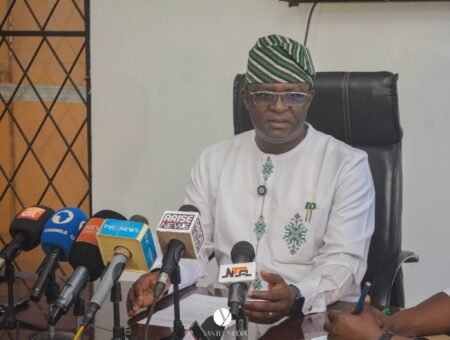
Folakemi Animashaun, Chief Executive Officer of the Lagos State AIDS Control Agency (LSACA), disclosed this on Thursday at a news conference in Lagos to herald activities for the 2026 World AIDS Day commemoration.
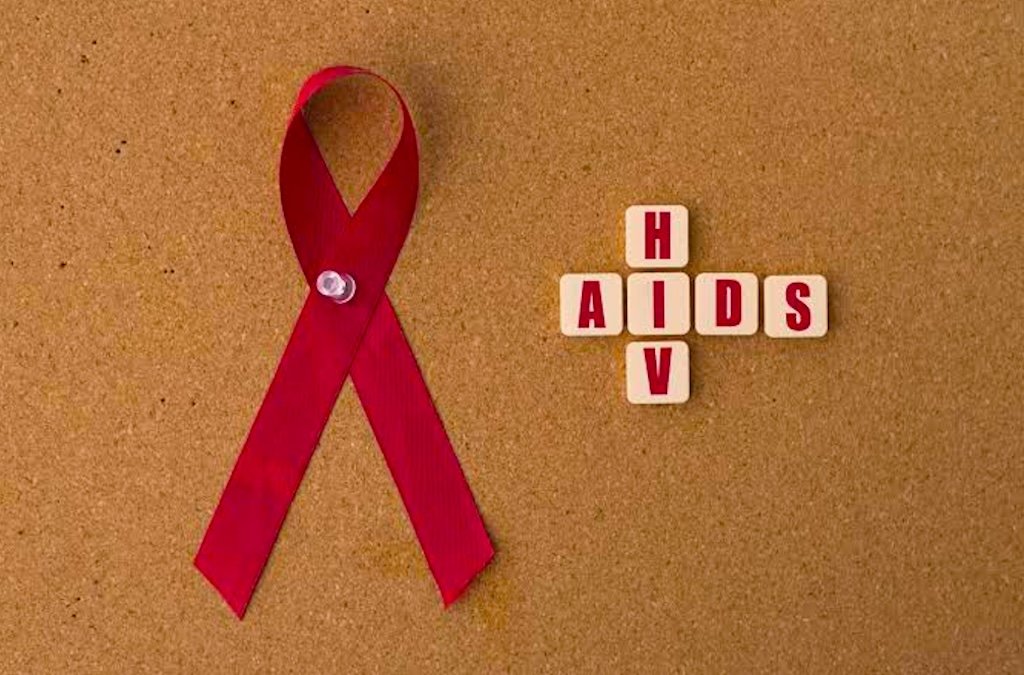
World AIDS Day is commemorated annually on 1 December to raise awareness about HIV/AIDS, remember those who have died from AIDS-related illnesses and renew commitment to ending the epidemic.
Ms Animashaun also said the agency had begun distributing Antiretroviral (ARV) medicines procured by the state government to ensure uninterrupted treatment for people living with HIV.
She said the increased budgetary allocation and medicine procurement demonstrated the state’s commitment to domestic ownership and sustainability of its HIV response amid changing global funding conditions.

“Development partners have made invaluable contributions to HIV prevention, treatment, medicines, laboratory services and community programmes,” she said.
“However, our goal is not to replace partnerships but to build a stronger foundation for them and ensure that essential HIV services remain protected whenever external funding arrangements change,” she said.
The LSACA chief executive said the state’s consolidated HIV testing records showed 387,558 negative results and 7,584 positive results.
She clarified that the figures represented reported test results and should not be interpreted as new infections or necessarily as unique individuals.
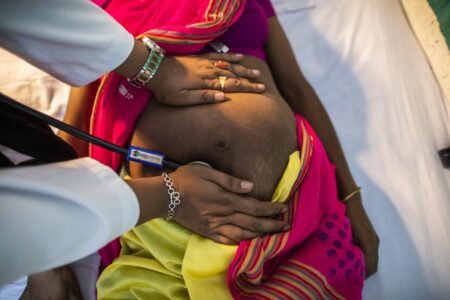
According to her, the maternal health programme recorded 156,122 new antenatal care clients and 156,109 negative HIV test results among pregnant and breastfeeding women.
She said community-based services also recorded 25,167 HIV tests among persons aged 15 years and above between January and October, with 1,166 positive results.
Ms Animashaun said the figures demonstrated the scale of the state’s interventions but stressed that the ultimate measure of success was the number of people linked to treatment, retained in care and achieving improved health outcomes.
“The significance of testing lies not only in identifying HIV but in connecting people to the services that protect their health and wellbeing,” she said.
Collaborations
Ms Animashaun said the state was strengthening collaboration with ministries, departments and agencies, healthcare institutions, development partners and community organisations to improve programme implementation, coordination and accountability.
She added that supportive supervision and data-quality activities had been undertaken to identify gaps in service documentation, referrals, programme reporting and continuity of care.
She said the agency was also promoting the integration of HIV services into routine healthcare, particularly maternal and child health, tuberculosis and other essential services.
She emphasised the importance of protecting the dignity and rights of people living with HIV, noting that stigma and discrimination remained significant barriers to accessing healthcare.
“No one should be afraid to seek healthcare because of their HIV status. No one should be denied dignity because of a health condition,” she said.
“Also, no one should be made to feel that their HIV status diminishes their worth as a human being.”
On sustainability, she disclosed that Lagos State had advanced the development of a 10-year HIV Response Transition and Sustainability Roadmap covering 2027 to 2036.
She said the roadmap would provide a framework for strengthening domestic financing, healthcare delivery, human resources, medicines and diagnostics, programme information, community participation and institutional accountability.
According to her, the proposed roadmap is expected to be formally launched by Governor Babajide Sanwo-Olu at the World AIDS Day Symposium scheduled for 1 December, subject to necessary approvals.
She said the symposium would also feature the formal presentation of antiretroviral medicines procured by the state government.
On HIV prevention, Ms Animashaun urged residents to know their status and access appropriate preventive services, including condoms, HIV testing, pre-exposure prophylaxis (PrEP) and post-exposure prophylaxis (PEP), where indicated.
She explained that people living with HIV who maintained effective treatment and an undetectable viral load could not transmit the virus sexually, a principle known as Undetectable Equals Untransmittable (U=U).
The LSACA boss urged residents to seek professional advice promptly if exposed to HIV, noting that some preventive interventions were time-sensitive.
World AIDS Day activities
Ms Animashaun said this year’s World AIDS Day activities, with the theme: “Ending AIDS Starts with Access: Equity, Ownership and Sustainability”, were designed to promote awareness, inclusion and community participation.
She listed the activities to include a fitness walk and awareness rally on 19 November, a novelty football match at Campos Stadium, Lagos Island, on 21 November, and an empowerment programme for people living with HIV on 23 November.
Others include a Jumat service on 27 November, a church service on 29 November, and the World AIDS Day Symposium scheduled for 1 December at Balmoral Event Centre, Lagos.
READ ALSO: Nigeria records decline in HIV treatment among pregnant women
Ms Animashaun urged the media to support efforts to correct misconceptions, challenge harmful stereotypes and promote accurate information about HIV prevention and treatment.
“Your platforms have the power to correct misconceptions, challenge harmful stereotypes, encourage people to seek testing and treatment, and help dismantle the stigma and discrimination that continue to prevent people from accessing care,” she said.
She called for responsible reporting that respected confidentiality and distinguished between new HIV diagnoses and new infections.
The LSACA chief executive acknowledged the contributions of the federal government, the National Agency for the Control of AIDS, UNAIDS, the United States Health Assistance Office, the Global Fund, and other implementing partners to the state’s HIV response.
She also commended the state government, healthcare workers, civil society organisations, community-based groups and networks of people living with HIV for their contributions.
She reaffirmed the state’s commitment to expanding access to HIV services, protecting existing gains and ensuring sustainable treatment and care for residents.
(NAN)
Discover more from Premium Times Nigeria
Subscribe to get the latest posts sent to your email.
Read the full article here