






The Lagos State Commissioner for Health, Akin Abayomi, has disclosed that the state is on the verge of making history, positioning itself as the first West African geopolitical zone to eliminate malaria.
Mr Abayomi said this will not be through a vaccine or genetically modified mosquitoes, but by employing “simple common sense” medical practices and a robust public health strategy.
This ambitious goal is driven by the state/ministry and Wellington Oyibo, director of the Centre for
Transdisciplinary Research for Malaria and Neglected Tropical Diseases.
The News Agency of Nigeria (NAN) reports that for decades, malaria has been a prevalent health challenge across Africa.

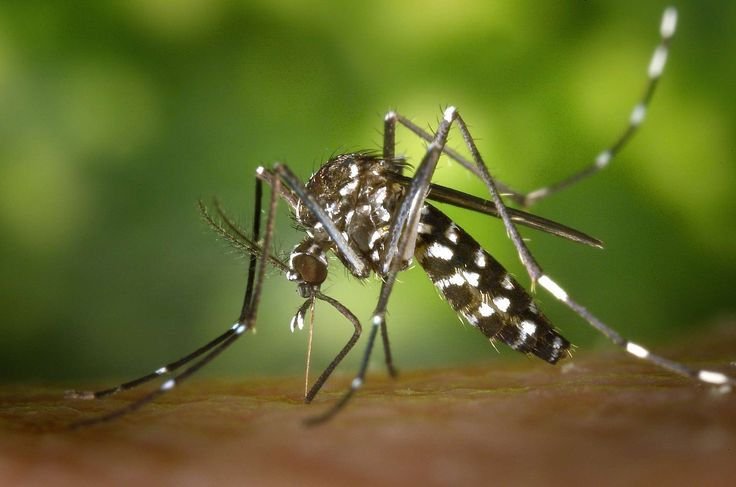
Malaria is a life-threatening disease caused by parasites that are transmitted to people through the bites of infected female Anopheles mosquitoes, according to the World Health Organisation (WHO).
WHO said there are an estimated 236 million malaria cases (95 per cent of global cases) and 590,935 malaria deaths (97 per cent of global deaths) in African member states in 2022.
Mr Abayomi said there is an urgent need to get malaria out of the region.
He said this at the Study Kick-Off of the Pathway to Pre-Elimination and Digitisation Project in Lagos State.
Its focus is on Malaria Rapid Diagnostic Test and Microscopy Comparative Study & Assessment of PPMVS’ Capacity to Manage Malaria and Febrile Illnesses.
“It is very, very important that we do that once and for all, ’’ he said.
The commissioner said, “Lagos has diligently waged a ‘war against malaria’ for the past 20 years. The cumulative efforts have yielded remarkable results,” he noted.
According to him, malaria prevalence among fever patients has plummeted from 15 per cent to 20 per cent to just about one to two %.
“This data spurred Governor Sanwo-Olu to back a strategy aimed at achieving malaria elimination within the state,” he said.
“Where malaria used to be 20 per cent to 15 per cent of people with fever, it is now down to between one per cent and two per cent, meaning that our strategy is working.”
Strategy
The core of this strategy, tagged “test, treat, and track,” moves beyond the traditional focus solely on treating malaria.
Mr Abayomi said it prioritises accurate diagnosis of the actual cause of fever, which, in Lagos, is now rarely malaria.
“A significant component of the strategy involves transitioning from outdated diagnostic methods, while microscopy has been the “gold standard.”
He, however, noted its limitations in low-resource settings due to requirements for good equipment, skilled personnel, and electricity, leading to “very big mistakes.”
He said the state is embracing Rapid Diagnostic Tests (RDTs), which are highly accurate, more efficient, cheaper, and more feasible for widespread use across all healthcare settings, from community pharmacies to primary healthcare centres (PHCs).
“A comparative study led by Mr Oyibo will further validate RDTs’ superiority. The “track” element of the strategy is focused on environmental interventions,” he said.
The commissioner clarified that fumigation is not the primary solution; rather, “the emphasis is on good environmental sanitation.
“This includes eliminating stagnant water, clearing blocked drainages, and properly covering water collections in homes—measures that directly prevent mosquito breeding.
“If a rare malaria case is detected, it triggers an investigation into the immediate environment to identify and eliminate the source of transmission.”
Mr Oyibo said the ambitious goal is driven by a strategic shift in fever management and a commitment to evidence-based practices.
The consultant medical parasitology and Study Coordinator affirmed that for decades, malaria had been synonymous with fever across Africa, often leading to misdiagnosis and inappropriate treatment.
He said whenever you talk about Africa, the things that come to mind are malaria, poverty, and famine.
READ ALSO: 95% of fevers in Lagos not malaria – Commissioner
He, however, said data from Lagos now indicates a dramatic reduction in malaria prevalence.
“The evidence we are seeing right now shows that Lagos State has come to a place where, from all indications, if you say you have fever, it’s not likely going to be malaria in over 90 per cent of the cases,” he asserted.
“This critical insight underpins the state’s new ‘test, treat, and track’ approach,” he said.
Mr Oyibo stressed the dangers of treating fevers as malaria without proper testing, citing severe consequences, especially for children.
(NAN)
Read the full article here