








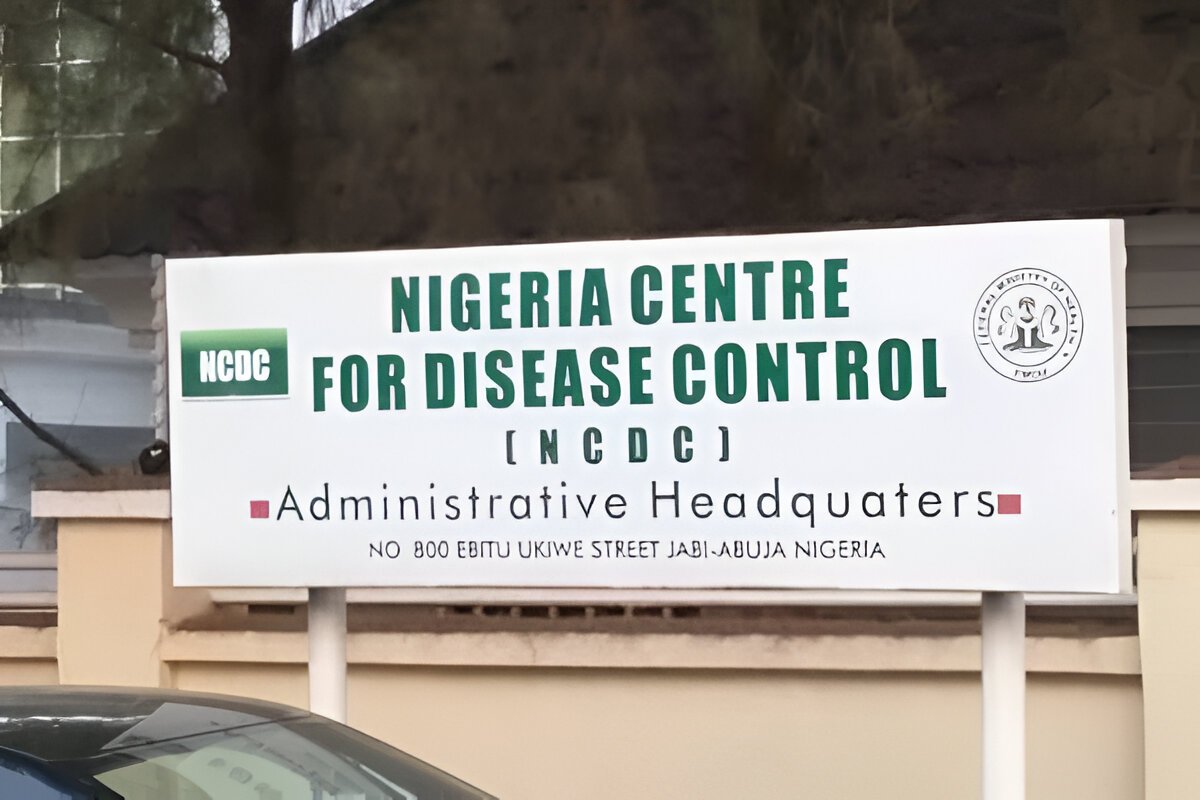
The Nigeria Centre for Disease Control and Prevention (NCDC) has raised concern over the rising Lassa fever fatality rate, warning that more people are dying from the disease even as the number of new infections declines.
In its Week 13 epidemiological report covering 23 to 29 March 2026, the agency said confirmed cases dropped significantly to 26 from 51 recorded in the previous week.
However, the death toll has climbed to 167, pushing the case fatality rate (CFR) to 25.2 per cent, well above the 18.5 per cent reported during the same period in 2025.
The new infections were recorded across seven states, including Edo, Bauchi, Ondo, Taraba, Ebonyi, Benue and Kaduna.
Overall, 22 states have reported at least one confirmed case across 93 local government areas this year.
Young adults aged 21 to 30 remain the most affected demographic group.
The NCDC also reported that no new infections among healthcare workers were recorded during the week under review.
Response efforts intensify
In response to the outbreak, the NCDC and its partners have scaled up interventions across affected states.
The agency said it has developed a 30-day Healthcare Worker Protection Plan with support from the World Health Organisation (WHO) and the United States Centres for Disease Control and Prevention (US CDC).
A high-level advocacy visit was conducted in Benue State alongside partners, including WHO, UNICEF, and Médecins Sans Frontières (MSF), and a joint advisory was issued to medical doctors and other healthcare workers to strengthen case management and infection control.
The agency also piloted a targeted Infection Prevention and Control (IPC) ring strategy in Benue State and supported active case search and contact tracing in high-burden areas.
Other interventions include the deployment of National Rapid Response Teams to seven high-burden states, prepositioning and distribution of personal protective equipment (PPE), and the activation of Incident Management Systems in several states, including Kebbi, Kano, Gombe, Benue and Plateau.
Laboratory testing across the national network has been intensified to ensure prompt diagnosis, while treatment of confirmed cases continues at designated centres nationwide.
In addition, public health campaigns and behavioural change initiatives have been expanded, including the rollout of social and behavioural communication materials and community engagement programmes.
Challenges persist
The NCDC identified several challenges hampering response efforts, including late presentation of cases, poor health-seeking behaviour driven by the high cost of treatment, and low awareness levels in affected communities.
Poor environmental sanitation in high-burden areas was also highlighted as a key factor contributing to the spread of the disease.
The agency further noted concerns about infections among healthcare workers, although no new cases were recorded during the reporting week.
Recommendations
To address the outbreak, the NCDC urged state governments to intensify year-round community engagement and prevention campaigns.
Healthcare workers were advised to maintain a high index of suspicion for Lassa fever, ensure timely referral of suspected cases, and adhere strictly to infection prevention and control protocols.
The agency also called on itself and its partners to strengthen state-level capacity for early detection and rapid response to outbreaks.
READ ALSO: Misdiagnosed as Malaria: The hidden cost of delayed Lassa Fever detection in Nigeria
Lassa fever
Lassa fever is an acute viral haemorrhagic illness caused by the Lassa virus, which is transmitted to humans primarily through contact with food or household items contaminated by the urine or faeces of infected rats.
It can also spread from person to person through contact with bodily fluids.
The disease often begins with fever, weakness, and headache, and may progress to more severe symptoms such as bleeding, difficulty breathing, swelling, and organ failure.
Early diagnosis and prompt treatment with Ribavirin are critical for improving survival.
Read the full article here