








“Gwo Gwo Ngwo,” a line from “Ka Esi Le Onye Isi Oche” by the late Mike Ejeagha, first released in 1983, returned to the spotlight after skit maker Brain Jotter used it in a viral video.
Another song, “Jump Am Pass” by Ifeanyi Onyeachonam, also enjoyed a fresh wave of popularity online.
Now, the spotlight has shifted to “I Love My Wife,” a 2024 track by King Pereama Freetown, which is gaining new attention on TikTok through the viral “Manuel Refuse To Marry” trend.
PREMIUM TIMES listened to the sixteen-minute and fifty-one-second song and discovered that the “Manuel Refuse To Marry” gaining traction on Nigerian TikTok and other social media platforms is a line on the track.
This newspaper learned that the meaning of the song released on 13 September 2024 goes beyond the trend, and many users are unaware of its deeper meaning.
“I Love My Wife”
The song, released by Freetown and his Youth Stars Band of Nigeria, conveys a simple yet important message: husbands should love, respect, and properly care for their wives. The message is delivered through calm, melodious rhythms that make the song both emotional and memorable.
Through the track, Freetown uses his music to advise men to value their wives and treat them with care. The lyrics remind listeners about the strong bond between husband and wife and encourage men to nurture their partners with love and responsibility.
With his band’s support, Freetown combines meaningful advice with rich traditional sounds to create a song that promotes unity, respect, and companionship in marriage.
In one of the lyrics, he sang, “I love my wife no be for mouth, I don see my soul mate no be by mouth, if you really love your wife, take care of her, provide for her, you must protect, until death na e go do unah apart…”
Although the song primarily speaks to caring for one’s wife, some listeners may not fully understand the message because much of it is delivered in Ijaw, a language Freetown uses to address men who believe providing for and caring for their wives is unnecessary.
“Manuel Refuse To Marry”
The trending catchphrase “Manuel refuse to marry, refuse to raise a family, you be Akpainfoko, you nor go young forever bachelor go and marry your wife oooh. Nightclubs are not your house. Internet babe abi along the road I go call am sef no be your wife”, which many netizens now use to create content, is a line taken from about two minutes into “I Love My Wife”.
In the song, the line serves as advice to young men who are old enough for marriage, urging them to settle down and raise families.
Although the phrase appears only once in the song, it has quickly become a viral challenge, with people from different age groups and backgrounds using it to create humorous videos that portray real-life situations.
One popular scenario shows a man in his thirties returning home from work and heading straight to the kitchen to cook because he has no wife.
As he goes about these activities, the song plays softly in the background, suggesting that he is “suffering himself” because he depends on nightclub women or casual relationships rather than getting married.
The trend has attracted wide participation on TikTok and Instagram, with some young women in their twenties also joining in, despite the lyrics being directed mainly at men.
Several clips using the sound have gathered thousands of likes and comments online. In many of the videos reviewed by this newspaper, men are seen cooking, going to the market, visiting the gym and doing other daily activities, symbolically acting out tasks they jokingly suggest a wife would have helped with, as dramatised in the content.
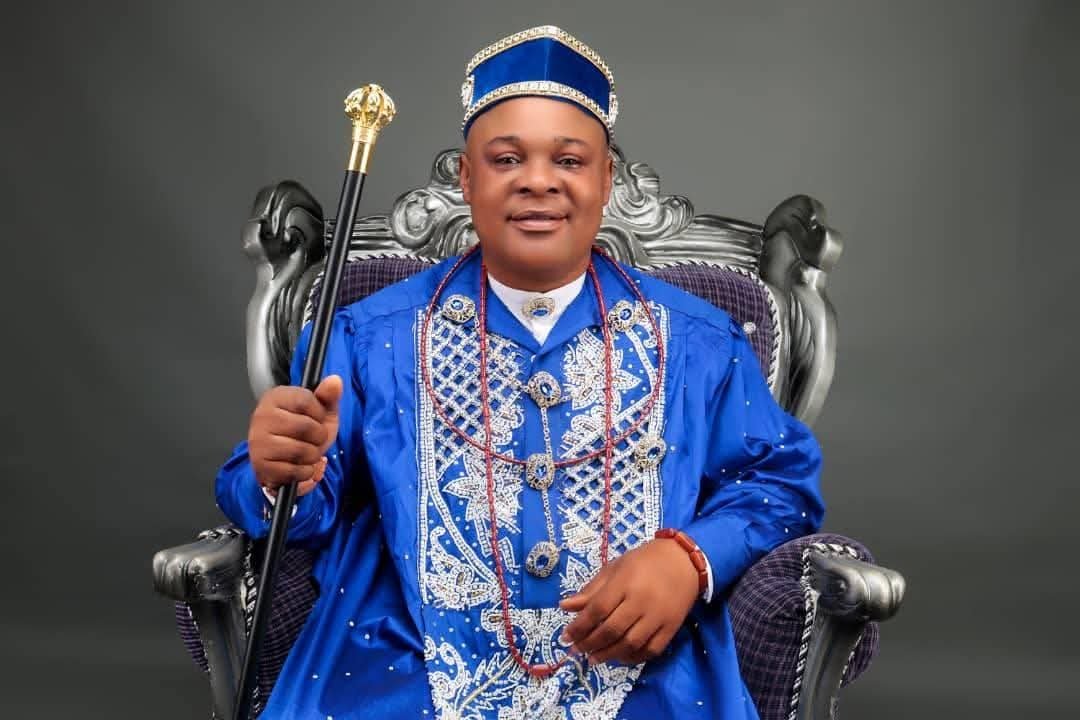
King Pereama Freetown
Freetown, popularly known as Numupere II, is a renowned Ijaw musician celebrated as a leading figure in Owigiri highlife music from Bayelsa and Delta States.

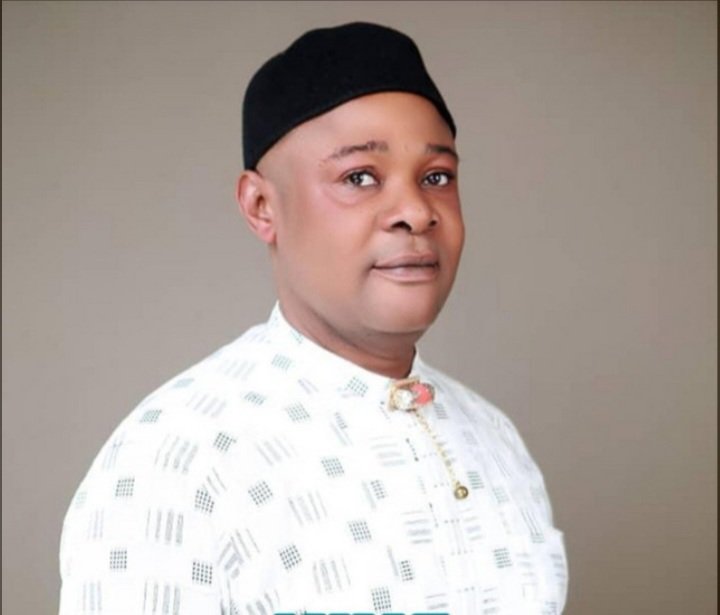
He hails from Ayamasa and Kpakiama, communities in Bayelsa and Delta, respectively, and has built a reputation as one of the most influential voices in the genre.
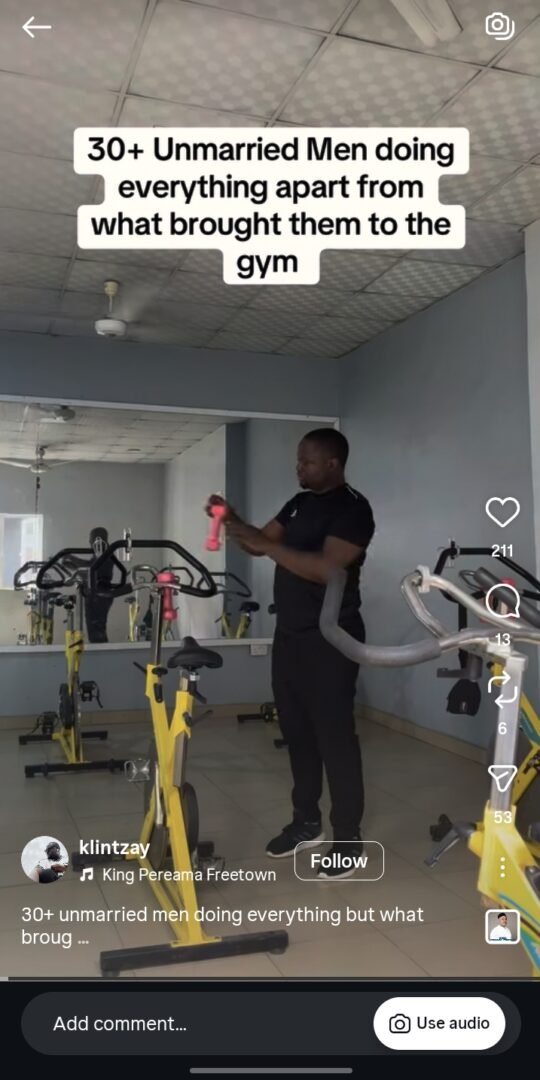

Born on 7 November 1970, Freetown discovered his musical calling at the age of seven. His active musical journey began in 1981 in Ebedebiri, when he was introduced to Paulin Isampou, popularly known as Melege, an encounter that shaped his early musical development.
He later formed his own band on 22 April 1994, marking a major milestone in his career.
Over the years, he gained recognition for several notable songs, including “Who Knows Tomorrow,” “The Power House,” “Osuopele Community,” “E Go Beta,” “I Love My Wife,” “Survival,” “Call Me Young Man,” and “My Angel,” among others.
Read the full article here