






Four years after it became one of Netflix’s most talked-about Nigerian originals, Blood Sisters returns for a second season with higher stakes, familiar enemies and a renewed appetite for intrigue.
Produced by EbonyLife Studios and backed by media entrepreneur Mo Abudu, the crime thriller reunites Ini Dima-Okojie and Nancy Isime as Sarah Duru and Kemi Sanya, two women whose lives became irreversibly entangled after a wedding-day tragedy.
The series was among the productions that helped place contemporary Nigerian storytelling on the global streaming map, combining the glamour of Lagos’ elite with themes of abuse, power and survival.
Season 2 attempts to build on that foundation, exploring the consequences of violence, the burden of trauma and the lengths people will go to protect family secrets.
While the new instalment remains entertaining and visually polished, it also exposes some of the storytelling weaknesses that plagued its predecessor.

Plot
Blood Sisters 2 is a return to unfinished business. For viewers who may have forgotten the events of the first season, Blood Sisters began with what should have been a fairy-tale wedding.
Sarah was set to marry Kola Ademola, the wealthy heir to a powerful pharmaceutical empire. However, years of abuse culminated in a confrontation on the morning of their wedding, ending with Kola’s accidental death during a struggle involving Sarah’s childhood best friend, Kemi.
The fallout sent both women on the run from law enforcement and from Kola’s ruthless mother, Uduak Ademola, played with chilling precision by Kate Henshaw.
Season 1 concluded on a cliffhanger, with Uduak facing a gun-wielding daughter and Sarah and Kemi disappearing into the night.
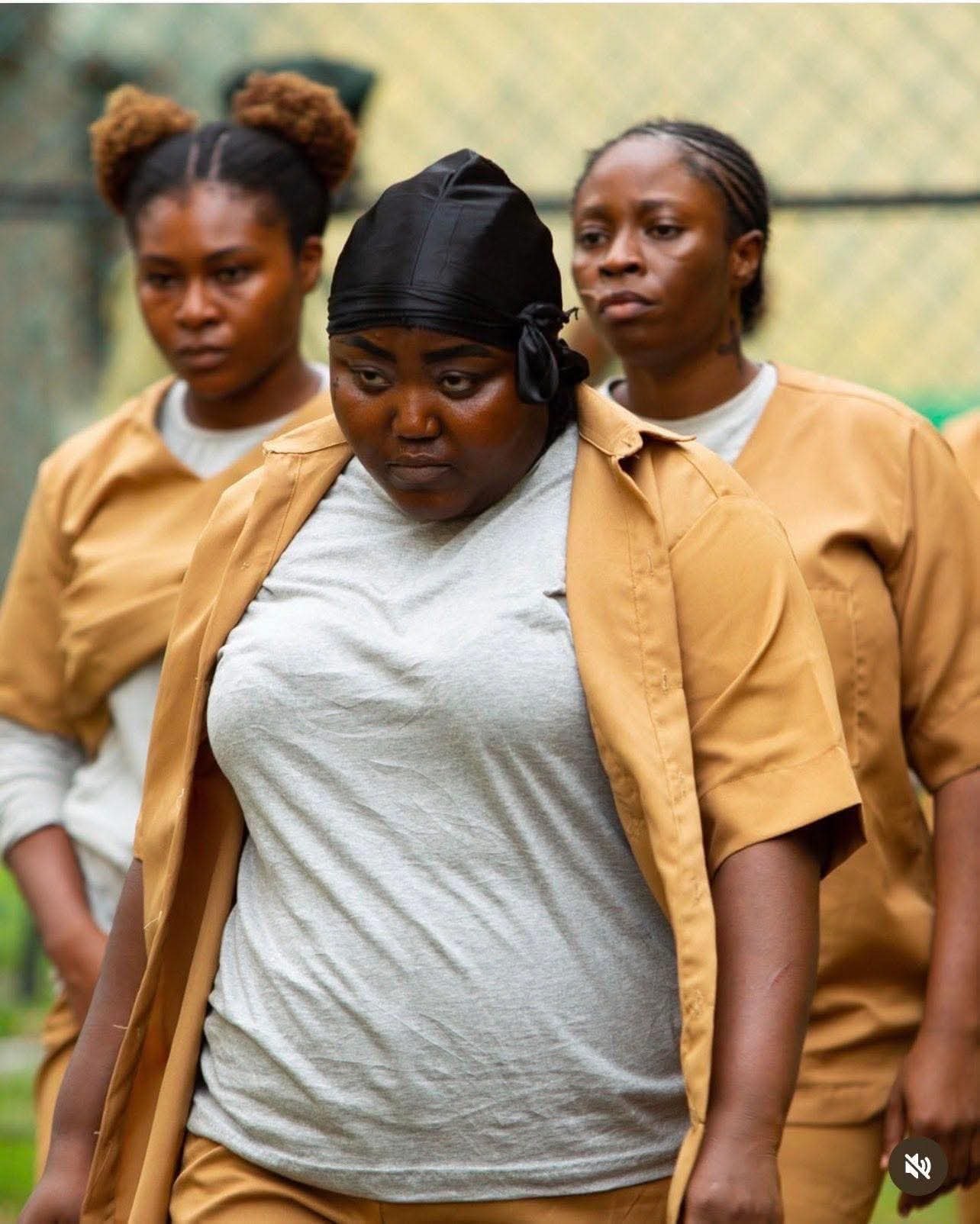
Season 2 picks up four years later, opening with the titular “blood sisters” in chains, transported in a police van as public opinion rages outside the courtroom. Protesters gather on both sides of the divide, some demanding justice for Kola’s death while others champion Sarah and Kemi as victims of a corrupt system.
Uduak gave false testimony against Sarah and Kemi, in a bid to get a death sentence for them, and despite their lawyer, Folake’s effort, Kemi got a death sentence. In contrast, Sarah was given a life imprisonment sentence. But their prison experience would test the strength of their sisterhood.

Performance
Although Sarah and Kemi remain the emotional centre of the story, Season 2 arguably belongs to Kate Henshaw.
As Uduak Ademola, Henshaw delivers a performance that is both restrained and terrifying. Her character speaks little, but every glance, pause and calculated move reinforces her status as the series’ most formidable force.
Still determined to avenge her son’s death, Uduak shifts her strategy from vigilante justice to manipulating the legal system. Through carefully crafted testimonies and behind-the-scenes influence, she seeks to pin every major crime from the previous season on Sarah and Kemi.
The performance is one of the strongest in the series, elevating scenes that might otherwise have descended into melodrama.
Meanwhile, Genoveva Umeh’s Timeyin Ademola emerges as one of the season’s most fascinating characters. Once a troubled and underestimated member of the family, she now runs Ademola Pharmaceuticals and enjoys the privileges that come with power.
Yet her success only deepens the family’s troubles.
Femi, played by Gabriel Afolayan, and Yinka, portrayed by Kehinde Bankole, resent being sidelined, creating a volatile battle for influence within the corporation.

Sisterhood
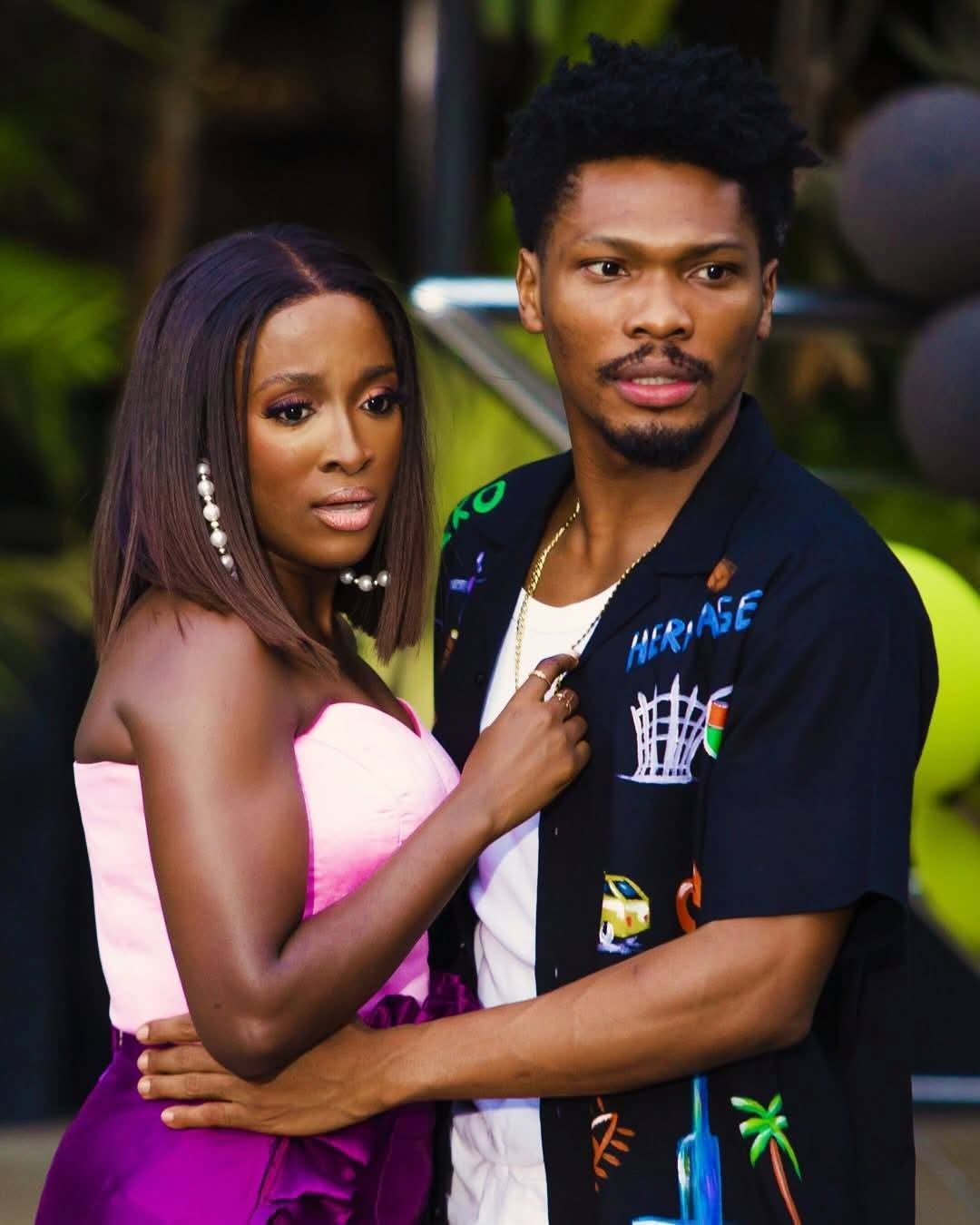
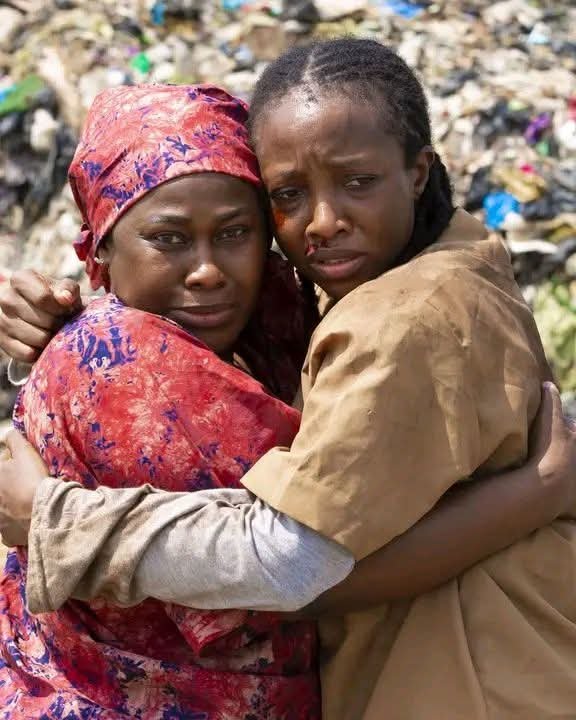
Blood Sisters remains a story about friendship. The chemistry between Nancy Isime and Ini Dima-Okojie continues to anchor the series. Both actresses effectively portray women haunted by past decisions and trapped by circumstances beyond their control.
The prison sequences are among the season’s strongest moments. Stripped of wealth, status and freedom, the characters confront their fears in an environment that feels harsh and unforgiving.
Review
The series also revisits themes that resonated strongly in Season 1: domestic abuse, gender-based violence, class privilege and the unequal application of justice.
These themes give the story emotional weight and ensure it remains more than a conventional crime thriller.
Visually, Season 2 represents another step forward for Nollywood’s streaming-era ambitions.
The cinematography effectively contrasts the claustrophobic brutality of prison life with the elegance of Nigeria’s wealthy elite.
Production design remains impressive, and the series maintains the glossy aesthetic audiences have come to expect from premium Netflix originals.
However, stronger production values cannot entirely mask the writing’s shortcomings.
One of the season’s biggest challenges is the four-year gap between instalments.
The absence of a comprehensive recap leaves viewers struggling to reconnect with important plot details and character motivations.
Several twists also feel forced rather than earned. Certain character decisions appear driven more by the need to advance the story than by believable emotional logic. For instance, the appearance of Uncle B’s son, Junior B, all of a sudden pleading allegiance to Uduak, seems somewhat mechanical, out of the necessity to create a character who would do the dirty job.
Some subplots featuring newer characters distract from the central conflict, while several narrative developments raise questions the script never fully answers.
Most frustrating is the conclusion.
Rather than providing a satisfying resolution, the ending feels abrupt and incomplete, suggesting the story is being stretched toward a possible third season.
READ ALSO: Qing Madi’s new, former labels clash over contract, harassment, court ruling
However, Blood Sisters Season 2 succeeds where many Nigerian streaming productions often struggle: it remains highly watchable.
The performances are strong, the production values impressive, and the tension is largely effective. Kate Henshaw delivers one of the season’s standout performances, while Nancy Isime and Ini Dima-Okojie continue to draw viewers emotionally into Sarah and Kemi’s complicated bond.
For fans of the original series, there is enough suspense, drama and star power to justify the return journey. For newcomers, however, the experience may feel less rewarding without familiarity with the first season’s events.
Ultimately, Blood Sisters Season 2 is an entertaining but imperfect continuation of one of Netflix Nigeria’s most successful originals. This thriller excels in performance and atmosphere but occasionally loses its way in the maze of its own ambitions.
Verdict: 7/10
Blood Sisters 2 is streaming on Netflix
Read the full article here