






In the world of ‘Ajosepo: The Gathering’, a peculiar kind of Nigerian family gathering is the wedding, merely the excuse. The real event is everything that happens around it: the old grudges, unsolicited advice, maternal rivalry, buried secrets, religious arguments, and the unspoken competition over who has the loudest voice in the room.
The immense success of the first film, Ajosepo, in 2024 also spawned a 2026 sequel, ‘Ajosepo: The Gathering’, which continues the chaotic family saga.
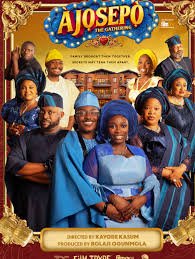
The sequel, released in Nigerian cinemas on 28 May but only reaching Kava TV on 26 September, returns to the dysfunctional families introduced in the first film but expands the playground. Timini Egbuson, Bolaji Ogunmola, Toyin Abraham, Odunlade Adekola, Mike Afolarin, Tomike Adeoye, Mercy Aigbe, Ronke Oshodi-Oke and Yemi Solade lead the ensemble. Ife Olujuyigbe and Feyifunmi Oginni wrote the film.
The movie is entertaining, frequently funny, and unmistakably Nollywood. But it is also more crowded, more dependent on star-powered comedy and, at times, less emotionally convincing than its predecessor.
Plot
Two years after Dapo (Mike Afolarin) and Tani (Tomike Adeoye) survived their chaotic wedding, the couple are now parents. Unfortunately, parenthood has not ended the cold war between their mothers.
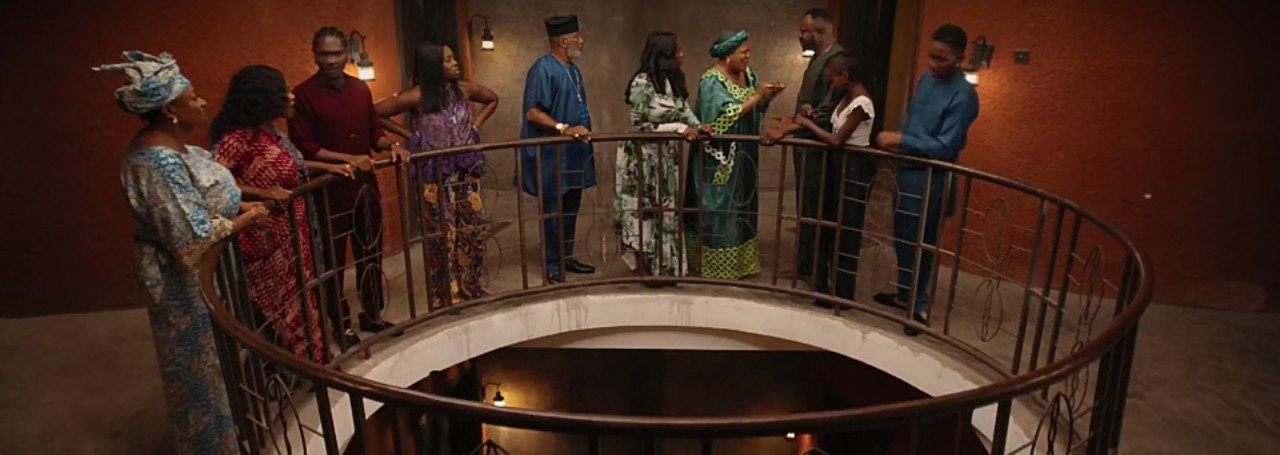
The attention shifts to another wedding: that of Jide (Timini Egbuson) and Mary (Bolaji Ogunmola).


Their marriage is supposed to bring families together after an earlier scandal nearly destroyed their relationship. Instead, the celebration quickly descends into another battle of personalities.
The immediate crisis arrives when the wedding planner disappears with the ₦30 million wedding budget. What should have been an elaborate celebration becomes a financial nightmare, forcing the families to confront one another as they try to save the wedding.
What follows is a familiar Ajosepo ingredient of family suspicion, parental interference, church politics, reputation anxiety, relationship problems, and secrets that refuse to remain buried. As the families scramble to save the wedding, old wounds resurface, and new conflicts emerge. Would this make or mar the planned wedding?
Cast Performance
The cast remains one of the film’s strongest assets. Timini Egbuson gives Jide a more grounded presence than the surrounding chaos might suggest. He plays the reluctant problem-solver convincingly, particularly when the responsibility of keeping everyone together falls increasingly on his shoulders.
Bolaji Ogunmola’s Mary, meanwhile, has enough practicality and frustration to prevent the character from becoming merely another anxious bride. But the screenplay does not give her quite enough interiority. Her relationship with Jide should be one of the film’s emotional anchors, yet the surrounding family drama frequently overwhelms it.
Mike Afolarin and Tomike Adeoye return as Dapo and Tani, now dealing with the complications of marriage and parenthood. Their subplot provides continuity with the first film, although it also contributes to the sequel’s crowded structure.
Mercy Aigbe, Ronke Oshodi-Oke and Yemi Solade bring the kind of confidence that comes from knowing exactly how to play a family argument without making it feel entirely scripted.
Review
The strength of ‘Ajosepo: The Gathering’ is also its weakness. There is always something happening. Unfortunately, not everything that happens is necessary.
Kasum understands that Nigerian weddings are fertile ground for comedy. Weddings bring together relatives who have not spoken in years, parents who believe they know what is best for their children, and families determined to protect their public image at almost any cost.
The film mines these familiar experiences effectively. The missing-money crisis gives the sequel a stronger narrative engine than the first film’s more scattered conflicts. But the screenplay struggles to decide which story deserves the most attention.
This is where the sequel falls short. The sequel is called ‘Ajosepo: The Gathering ‘, but the gathering sometimes becomes more important than the people who are supposed to be at its centre.
The original ‘Ajosepo’ found an effective balance between comedy and family drama. Beneath the jokes were genuine questions about marriage, trust, family expectations and the consequences of secrets.
The production also benefits from the larger KAP Film Village setting, giving the sequel a more expansive visual frame than the original’s intimate domestic environment. The film runs for about 110 minutes and combines comedy, drama, and romance.
‘Ajosepo: The Gathering’ knows exactly what its audience came for. But bigger does not always mean deeper. It has more characters, more money at stake, more conflicts and more comedy, but the consequences of those conflicts often disappear too quickly. That makes the sequel enjoyable but safer than it could have been.
There is also a familiar Nollywood problem here: the tendency to resolve complicated family problems with a final burst of confession, forgiveness, and celebration. This is very cliché. Another cliché is what is now a recognisable ‘Ajosepo’ formula: put the family together, introduce a crisis, reveal secrets, let everyone fight, make the audience laugh, then bring everybody together again.
This would work more effectively with an initial release, but sequels have a way of exposing formulas that were less obvious the first time. The danger for this franchise is that audiences may eventually predict the crisis before it arrives. The first film had the advantage of surprise. The sequel has the advantage of familiarity. Between the two, the original remains more emotionally grounded.
In all, ‘Ajosepo: The Gathering’ is not a bad sequel. It is an enjoyable one. Its biggest achievement is knowing exactly what kind of entertainment its audience expects and delivering it with confidence. The cast is strong. The comedy occasionally lands spectacularly. However, it has more characters but less character development.
Verdict: 6/10
Ajosepo: The Gathering is streaming on Kava
Discover more from Premium Times Nigeria
Subscribe to get the latest posts sent to your email.
Read the full article here