








A new autism-focused initiative by The Alternative Bank has brought renewed attention to longstanding gaps in early diagnosis and caregiver support in Nigeria’s healthcare system.
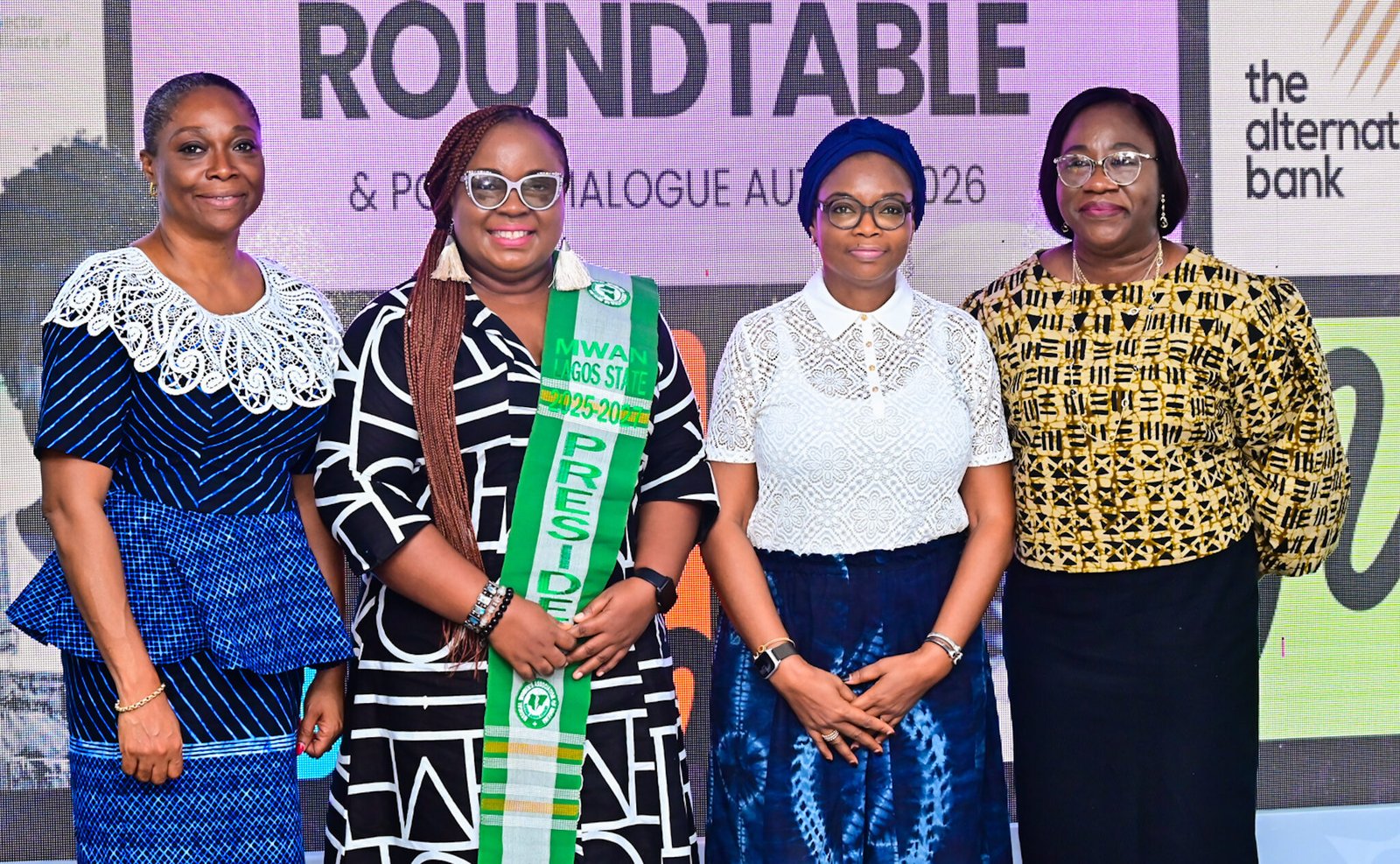
The initiative was unveiled at the bank’s maiden Autism Stakeholders Roundtable and Policy Dialogue in Lagos, where experts highlighted the absence of a coordinated framework for autism care, particularly at the primary healthcare level.
Organised in partnership with Private Sector Health Alliance of Nigeria, Eliakim Foundation and Sterling One Foundation, the event brought together policymakers, clinicians and advocacy groups to examine structural weaknesses in Nigeria’s current approach.
Early detection remains limited
A central issue raised at the dialogue was the lack of widespread developmental screening, which often leads to delayed diagnosis and intervention.
Keynote speaker, Dotun Akande, founder of the Patrick Speech and Languages Centre,
stressed the need for a more coordinated national system.
“What Nigeria must now build is a system where intervention happens early, equitably, and at scale, without depending on chance, geography, or privilege,” Ms Akande said.
She noted that current efforts are largely driven by private centres, leaving many families without access to timely support.
Caregivers carry the burden
Stakeholders also highlighted the pressures faced by caregivers, who often bear the financial and emotional cost of navigating autism care with limited institutional support.
Ime Okon, President of the Medical Women’s Association of Nigeria, Lagos State Branch, emphasised the need to centre families in any intervention strategy.
“We recognise caregivers and families as central to the success of any intervention. We are showing up, holding their hands, to ensure they are never left to navigate this journey alone.
“For a physician, showing up means ensuring that a parent’s first concern is met with a strengthened, inclusive system rather than a clinical dead-end with no solution. The Alternative Bank has signalled a shift toward a high-level platform for national action,” she noted
Proposed intervention framework
In response to these gaps, the bank outlined a three-pillar approach focused on inclusive education, targeted training and behavioural change advocacy.
Korede Demola-Adeniyi, Executive Director, Commercial and Institutional Banking, said the initiative is designed to improve early recognition and long-term support.
“Early recognition and sustained support depend on a workforce and caregivers who know what to look for, and what to do next,” she said.
She added that one of the first steps is a capacity-building programme on receptive language disorder, aimed at equipping both caregivers and professionals with practical knowledge for early intervention.
Policy and funding gaps
Beyond training, participants noted the lack of structured funding and policy-backed systems for autism care in Nigeria.
Discussions at the roundtable explored financing options, vocational pathways and the need for scalable models that can be integrated into public health and education systems.
READ ALSO: Remi Tinubu reaffirms inclusion, dignity for persons with autism
Organisers said a policy brief will be presented to relevant government ministries, including recommendations for a 12-month pilot programme across selected schools and primary healthcare centres in Lagos.
Experts at the event also noted that Nigeria’s autism response remains fragmented, with progress dependent on collaboration between government, private sector actors and health institutions.
They said initiatives such as this could serve as a starting point for building a more coordinated and inclusive developmental care system centres.
Read the full article here