








NICHOLAS UWERUNONYE
ABUJA
The Covenant of Mayors in Sub-Saharan Africa (CoM SSA) in collaboration with Nile University and the Abuja Environmental Protection Board (AEPB) has introduced the Urban Lab initiative for effective waste management in the Federal Capital Territory (FCT).
This initiative symbolises a significant step towards addressing the pressing issue of waste management in the region. By bringing together key stakeholders such as governmental bodies, private sector entities, and civil society, the Urban Lab aims to revolutionise waste management practices in Abuja.
The event, hosted in Abuja Municipal Area Council (AMAC), serves as a platform to discuss and strategise on ways to overcome the city’s waste management challenges and advance its climate action agenda.
The Urban Lab initiative, jointly executed by Deutsche Gesellschaft für Internationale Zusammenarbeit (GIZ) and supported by the European Union, has set in motion a comprehensive waste management framework.
This framework is designed to enhance governance, sustainability, and community awareness regarding waste management practices. Through the initiative, more than 350 local governments across Sub-Saharan Africa have already reaped the benefits of improved waste management strategies.
These strategies enable cities to develop sustainable energy access plans and climate action initiatives, paving the way for a greener and more sustainable future.
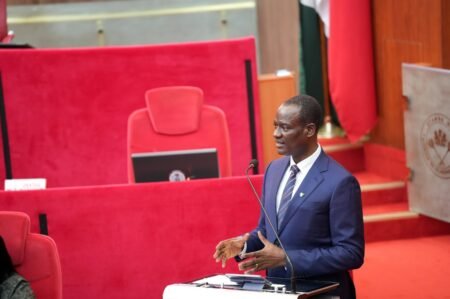
During his keynote address, the European Union representative, Tomasz Gawlik, underscored the EU’s commitment to assisting African cities in tackling climate challenges and building climate-resilient infrastructure.
Programmes like the Global Covenant of Mayors in Sub-Saharan Africa play a pivotal role in empowering cities to develop robust climate action plans.
This collaborative effort aims to create a sustainable and resilient future for Africa and its inhabitants by fostering innovation and sustainability in waste management practices.
The vice chairman of AMAC, Nasiru Usman, stressed the importance of collaboration among different sectors to achieve the Urban Lab’s goals for social and economic progress. By working together, governmental bodies, private sector entities, and civil society can support the innovative waste management initiatives of the Urban Lab. These initiatives have already positioned Abuja as a model city in Nigeria, showcasing the potential for other cities to follow suit and implement sustainable waste management practices.
In addition, Prof. Dilli Dogo, Vice-Chancellor of Nile University, hailed the Urban Lab as a crucial milestone in promoting a cleaner and more environmentally friendly Abuja.
This initiative signifies a significant shift towards establishing sustainable waste governance practices that can serve as a blueprint for other cities in the region.
The collective efforts of all stakeholders involved in the Urban Lab demonstrate a shared commitment to building a distinctive and internationally recognised capital that prioritizes environmental sustainability and community well-being.
Read the full article here