






Nigeria, on Wednesday, reaffirmed its commitment to strengthening land tenure rights and forest conservation as countries intensify efforts to halt and reverse deforestation by 2030.
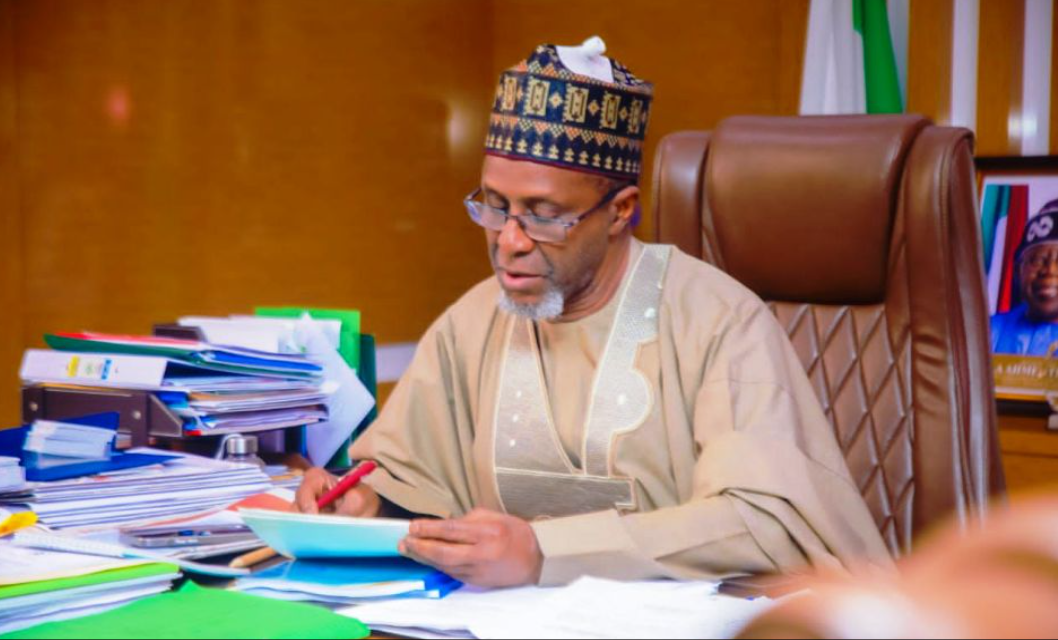
The Minister of Environment, Balarabe Abbas Lawal, restated the country’s position at a high-level gathering of leaders, ministers and senior officials preparing for the next rounds of United Nations climate negotiations, COP31 in Türkiye.
The meeting, held in London, brought together representatives of forest-rich nations, donor countries, and climate partners to review progress in forest conservation and discuss measures needed to accelerate action before the 2030 deadline for ending forest loss.
Speaking at the event, the minister highlighted several initiatives being implemented by Nigeria to restore degraded land and strengthen environmental sustainability, including the Great Green Wall project and the National Clean Cooking Policy.
He also reaffirmed Nigeria’s support for the Intergovernmental Land Tenure Commitment (ILTC), a global initiative aimed at strengthening land rights for Indigenous Peoples and local communities as a strategy for protecting forests and tackling climate change.

According to him, securing land rights remains critical to achieving long-term environmental goals while supporting communities whose livelihoods depend on forests and natural resources.
The gathering, themed “From Glasgow to Addis Ababa: FCLP and COP Presidencies Building Momentum on Forests from COP30 to COP31,” focused on maintaining political momentum behind global commitments to halt and reverse forest loss.
The event was organised under the Forest and Climate Leaders’ Partnership (FCLP), a coalition of governments working to reduce deforestation, restore degraded land and strengthen accountability for forest-related climate pledges.
Participants stressed that forests remain one of the most effective tools for combating climate change, preserving biodiversity and supporting sustainable livelihoods.
COP30 President André Aranha Corrêa do Lago said countries must move beyond commitments and focus on implementation.
“The shift from ambition to implementation is critical if the world is to meet its target of halting and reversing deforestation and forest degradation by 2030,” he said.
Alongside Nigeria, Indonesia, and Ghana presented updates on national programmes designed to strengthen forest governance and support climate action.
Indonesia highlighted efforts to protect its extensive peatlands and mangrove ecosystems, which are regarded as some of the world’s most effective natural carbon sinks.
Indonesia’s Forestry Minister, Raja Juli Antoni, noted that the country hosts about 3.4 million hectares of mangroves, representing nearly a quarter of global mangrove ecosystems.
Ghana, meanwhile, announced progress towards issuing forest carbon credits under its Jurisdictional REDD+ programme, an initiative aimed at attracting investment into forest conservation while improving local livelihoods.
Ghana’s Deputy Minister for Lands and Natural Resources, Yusif Sulemana, called for a credible international framework for forest carbon markets, saying such systems could unlock additional financing for conservation efforts.
The meeting also witnessed new commitments from Peru and Brazil on land tenure rights.
Peru formally endorsed the Intergovernmental Land Tenure Commitment, becoming the 16th government to join the initiative.
Peruvian Ambassador to the United Kingdom, Ignacio Higueras Hare, described secure land rights as essential for climate action, biodiversity protection and sustainable development.
“Strengthening territorial rights is one of the most effective investments countries can make for forests and future generations,” he said.
Brazil announced new measures aimed at strengthening land rights for Indigenous Peoples, people of African descent and local communities.
Brazil said it plans to allocate three million hectares of undesignated federal public land this year for the creation of 67 Indigenous territories and the recognition of nine Quilombola territories.
Pledges
In a major financing announcement, Norway pledged 500 million Norwegian kroner, equivalent to about $55 million annually over the next three years, to support civil society organisations working on sustainable forest management and land-use programmes.
READ ALSO: Environment minister seeks more investment in Nigeria’s green economy ahead of critical summit
The funding will support initiatives focused on Indigenous rights, community livelihoods, forest protection and the fight against forest-related crime.
Norway’s Minister of Climate and the Environment, Andreas Bjelland Eriksen, said protecting forests requires sustained investment in communities and organisations working on the front lines of conservation.
The Forest and Climate Leaders’ Partnership was launched to help countries translate forest pledges into practical action through stronger political leadership, improved financing and greater accountability.
As preparations continue for COP31, participants at the meeting stressed that securing land rights, supporting local communities and increasing forest finance will be critical to meeting global climate targets and preventing further forest loss.
Read the full article here