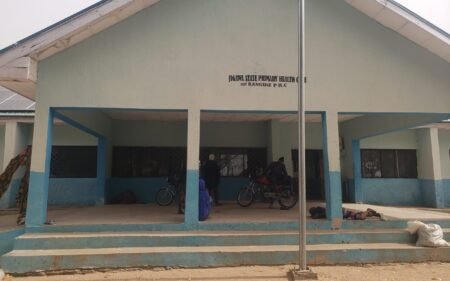









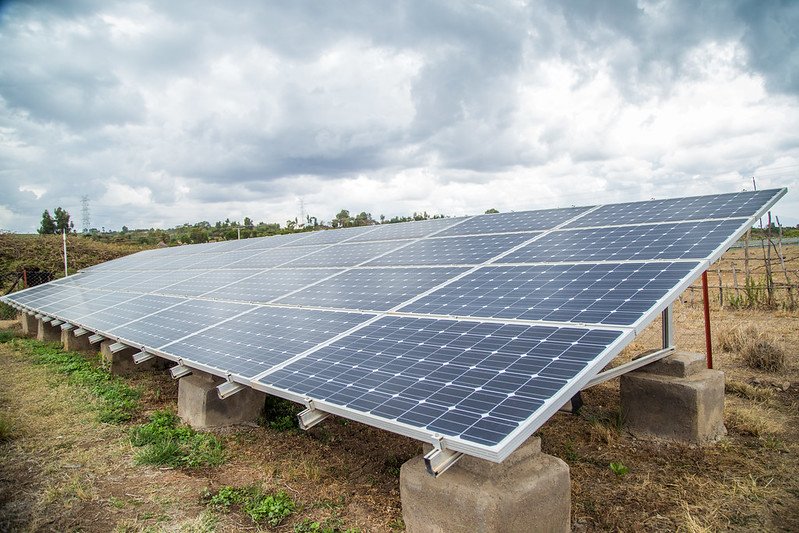
The federal government, in collaboration with development partners, has solarised 371 Primary Health Care Centres (PHCs) across 16 states and the Federal Capital Territory to improve immunisation services and healthcare delivery, particularly in underserved communities.
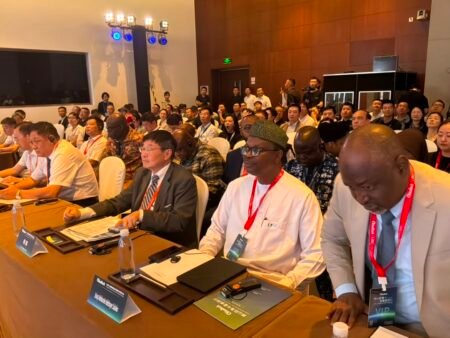
The project, supported by partners including Gavi, the Vaccine Alliance and UNICEF, was formally handed over to the government during a ceremony organised by the National Primary Health Care Development Agency (NPHCDA) in Abuja on Thursday.
Speaking at the event, the Executive Director of NPHCDA, Muyi Aina, said the solar installations would provide reliable electricity to the facilities, enabling health workers to deliver essential services more efficiently.
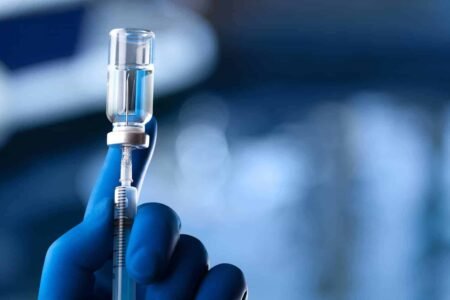
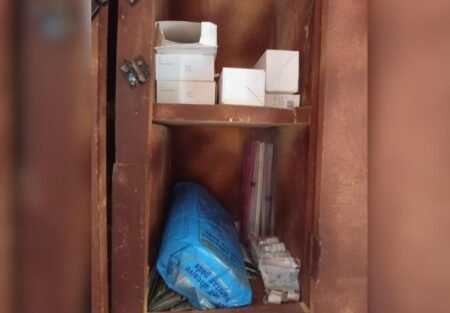
Mr Aina noted that a stable power supply is critical for maintaining vaccine potency, sustaining cold-chain systems and supporting life-saving services such as immunisation, maternal healthcare and emergency care.
He said electricity in health facilities should not be seen as a luxury but a clinical necessity.
He noted that reliable power also ensures vaccines remain potent and available when needed.
According to him, the solar installations will also support safe deliveries at night, improve emergency response and enable frontline health workers to provide better care to communities.
Strengthening PHCs
Mr Aina said the initiative forms part of the government’s broader efforts to strengthen the country’s primary healthcare system and expand access to quality healthcare services.
He explained that, beyond the solarisation project, the government is implementing a nationwide PHC revitalisation programme, with more than 4,000 facilities currently undergoing upgrades.
Most of the revitalised centres, he added, have been equipped with solar power systems, while additional facilities are receiving similar installations to ensure a consistent electricity supply.
The revitalisation programme aims to equip PHCs with basic infrastructure such as electricity, water and sanitation facilities, alongside essential medical equipment and supplies needed for effective service delivery.
Immunisation gaps
Also speaking, Gavi’s Chief Executive Officer, Sania Nishtar, said the organisation had invested more than $2.4 billion in Nigeria’s immunisation programme over the past two decades.
Ms Nishtar, represented by Gavi’s Senior Country Manager, Edna Harimenshi, noted that the partnership had contributed to improvements in vaccine coverage, which increased from 27 per cent in 2001 to 67 per cent in 2024.
According to her, the progress positions Nigeria to close remaining immunisation gaps and reach children who have not yet received vaccines.
She, however, said progress demands a reliable power supply.
“Across sub-Saharan Africa, one in four health facilities has no electricity and two-thirds lack a reliable supply- affecting cold-chains, emergency care, and even the safety of childbirth,” she said.
“Today’s inauguration is a decisive step toward overcoming these longstanding barriers.”
Similarly, UNICEF representative in Nigeria, Wafaa Saeed Abdelatef, commended the country’s efforts to strengthen primary healthcare and expand immunisation coverage.
Ms Abdelatef noted that targeted campaigns in recent years had helped reach children who previously missed routine vaccinations, describing the initiative as critical to reducing inequalities in healthcare access.
She added that reliable electricity in health facilities would significantly improve immunisation services, maternal healthcare and other essential interventions.
In her remarks, the Mandate Secretary for Health Services and Environment Secretariat in the FCT, Adedolapo Fasawe, described the intervention as a crucial step toward expanding access to quality healthcare for vulnerable communities.
READ ALSO: Northern states at greater risk of cerebrospinal meningitis, NiMet warns
Ms Fasawe stressed that reliable electricity is essential for maintaining vaccine cold chains, conducting diagnostics and ensuring safe maternal and newborn services.
“Today’s ceremony represents not just the installation of solar systems but stronger health systems and renewed hope for communities that depend on primary health centres as their first point of care,” she said.
About the project
Under the Gavi-CDS3 initiative, the project was executed through a multi-agency approach involving both local and international organisations. eHealth Systems Africa installed solar systems in 238 PHCs, while Differ Community Power implemented installations in 133 facilities across the North-East.
UNICEF coordinated the project in partnership with the NPHCDA and state primary healthcare boards, with additional support from the Foreign, Commonwealth and Development Office (FCDO).
Beneficiary states, including the FCT, have committed to maintaining the infrastructure to ensure sustained service delivery.
Read the full article here