







LAGOS – The Nigerian Meteorological Agency and the National Council on Climate Change (NCCC), have resolved to strengthen their existing cooperation by further promoting climate actions in the country.
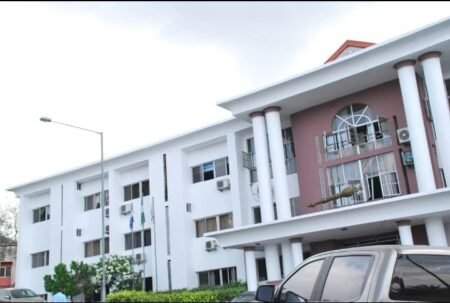
A statement by Nimet said that both parties reached this position at a meeting held in Abuja at the office of NCCC.
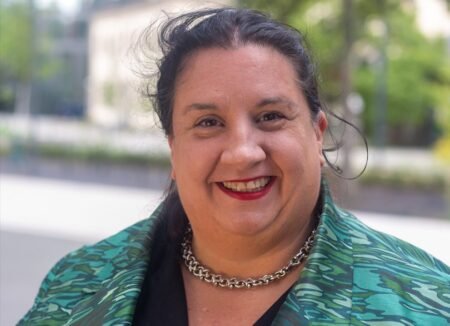
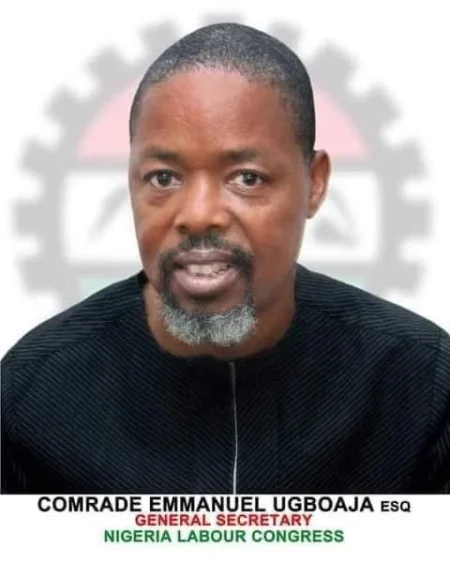
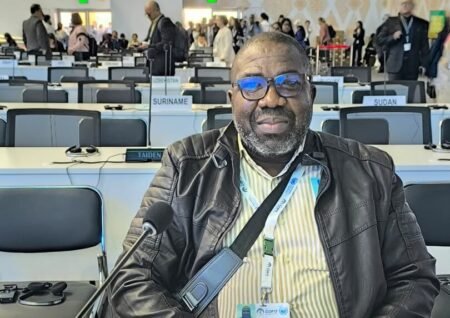
The meeting was attended by Prof. Charles Anosike, the Director-General, Nimet and Chief Executive Officer of NiMet, Professor Charles Anosike and Dr. Nkiruka Maduekwe, his counterpart from NCCC.
The statement hinted that both chief executives resolved to strengthen cooperation in climate actions in Nigeria and in other areas.
Anosike in his speech, said that it would be in the best interest of the nation for both agencies to work closely together.
He said: “There are so many areas we can partner. The World Meteorological Organisation (WMO) will be glad to see NiMet and NCCC working together. The data that NiMet has is the key support to climate change adaptation, mitigation, and education. NiMet is the custodian of over 100 years of climate and meteorological information. Without observing the atmosphere, gathering the data, and providing the country with weather and climate information, you can’t monitor the climate.
“NiMet is currently working on several climate initiatives to which NCCC will be very relevant. These include the national rollout of the United Nations Early Warnings for All (EW4All) initiative, to develop a formal roadmap that will ensure warnings of all multi-hazard hydrometeorological events reach all vulnerable populations. We are also driving the National Framework for Climate Services (NFCS) and a domestication of the WMO Global Framework for Climate Services (GFCS)”.
In her speech, Maduekwe stated that the functions of the two agencies were very crucial to climate change, not just in Nigeria, but the world over.
“This is why NiMet is very critical to all the things we are doing as a country. One of the challenges we are having in agriculture is that farmers are not aware that rain patterns have changed.
“That’s why NiMet is very critical. There is a lot of work to do, and we will all work together as we need all the stakeholders,” she added.
Other areas of cooperation highlighted during the meeting included effective scientific contributions to all United Nations Framework Convention on Climate Change (UNFCCC), Intergovernmental Panel on Climate Change (IPCC), and Conference of Parties (COP) related activities, including the ongoing review and update of the nation’s Nationally Determined Contribution (NDC).
Read the full article here