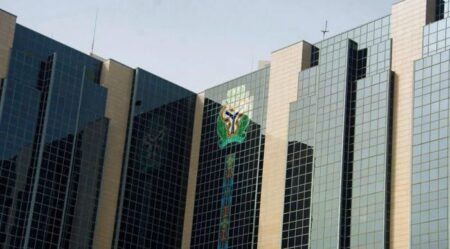






The Nigeria Midstream and Downstream Petroleum Regulatory Authority (NMDPRA) has approved petrol import permits covering about 830,000 metric tonnes for multiple companies ahead of the fourth quarter of 2026, PREMIUM TIMES has learnt.
George Ene-Ita, spokesperson for the authority, confirmed the development to PREMIUM TIMES on Tuesday.
“Yes, petrol import permits were approved for Q4 2026 to ensure there’re no supply gaps heading into the critical end-of-year period,” Mr Ene-Ita said.
Companies reportedly granted the permits include Matrix Energy, A.A. Rano, AYM Shafa, NIPCO, Pinnacle Oil and Bono Energy.
The approvals were reportedly issued on 18 September, although details of the individual allocations to the marketers were not immediately available as of the time of filing this report.
The latest approvals come amid an ongoing legal dispute between Dangote Petroleum Refinery and the regulator over the continued issuance of petrol import licences.


They also come as heightened tensions in the Middle East continue to disrupt global energy markets, keeping crude oil prices elevated and raising concerns about the cost of petroleum supplies.
Dangote’s legal challenge
In May, PREMIUM TIMES reported that Dangote Petroleum Refinery filed a fresh lawsuit against the Attorney-General of the Federation, challenging fuel import licences issued to oil marketers and the Nigerian National Petroleum Company Limited (NNPC Ltd).
In the suit, the refinery argued that the licences granted to some marketers threatened its operations and were contrary to provisions of the Petroleum Industry Act (PIA).
The refinery contended that fuel import licences should only be issued when domestic supply is insufficient to meet national demand.
Nigeria has historically depended heavily on imported petrol, largely because of the poor performance of its state-owned refineries.
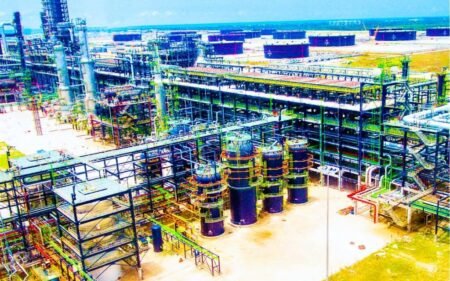
The $20 billion Dangote Refinery, owned by businessman Aliko Dangote, was expected to reduce the country’s dependence on imported refined petroleum products by supplying the domestic market.
With an installed capacity of 650,000 barrels per day, the facility is Africa’s largest single-train refinery and was projected to significantly reduce the foreign exchange burden associated with fuel imports.
However, petrol imports have continued as the refinery ramps up production and distribution, while some industry operators maintain that domestic output has yet to fully meet national demand.
Regulatory dispute
Since commencing operations in 2024, Dangote Refinery has repeatedly pushed for local marketers to source petroleum products from domestic refineries rather than rely on imports.
The former NMDPRA leadership under Farouk Ahmed resisted measures that it considered capable of creating a monopoly, arguing that allowing a single refinery to dominate the market could undermine competition and create risks for Nigeria’s energy security.
The disagreement contributed to a public dispute between Mr Dangote and Mr Ahmed.
Mr Dangote subsequently accused the former regulator of corruption and alleged that the NMDPRA was colluding with international traders and fuel importers to frustrate local refining by continuing to issue import licences.
He also raised questions about Mr Ahmed’s lifestyle and alleged that four of his children attended expensive secondary schools in Switzerland, claims that formed part of the broader controversy over the regulator’s conduct.
Mr Ahmed later resigned as NMDPRA chief executive.
Previous lawsuit
In 2024, Dangote Refinery instituted a separate suit, marked FHC/ABJ/CS/1324/2024, seeking N100 billion in damages against the NMDPRA over the issuance of import licences to some marketers and the subsequent importation of petroleum products.
The marketers named in the suit included NNPC Ltd, Matrix Petroleum Services Limited, AYM Shafa Limited, A.A. Rano Limited, T. Time Petroleum Limited and 2015 Petroleum Limited.
In the suit dated 6 September 2024, the refinery’s lawyer, Ogwu Onoja, asked the Federal High Court to declare that the NMDPRA violated Sections 317(8) and (9) of the Petroleum Industry Act by issuing licences for the importation of petroleum products.
Dangote Refinery argued that such licences should only be issued where a shortfall in domestic petroleum supply exists.
The refinery also asked the court to declare that the NMDPRA failed in its statutory responsibility under the PIA to encourage domestic refining.
However, in a counter-affidavit dated 5 November 2024 and filed by Ahmed Raji (SAN), the marketers asked the court to dismiss the refinery’s claims.
They argued that competition was essential to the health of Nigeria’s economy and the viability of the petroleum sector, insisting that they were qualified to receive import licences under Section 317(9) of the PIA.
READ ALSO: NMDPRA speaks on petrol price rise, regulatory action
The defendants further accused Dangote Refinery of attempting to monopolise the petroleum industry by seeking sole control over fuel supply, distribution and pricing.
In July 2025, Dangote Refinery discontinued the lawsuit challenging the import approvals. The refinery did not publicly state its reasons for withdrawing the case.
Meanwhile, the Dangote Refinery’s current case challenging the continued issuance of petrol import licences is scheduled for further hearing on 7 October.
Asked on Tuesday for an update on the legal dispute with Dangote Refinery, Mr Ene-Ita declined to comment, citing the ongoing court proceedings.
“The Dangote case is still in court. I cannot say anything in a court case,” he said.
Discover more from Premium Times Nigeria
Subscribe to get the latest posts sent to your email.
Read the full article here