








10
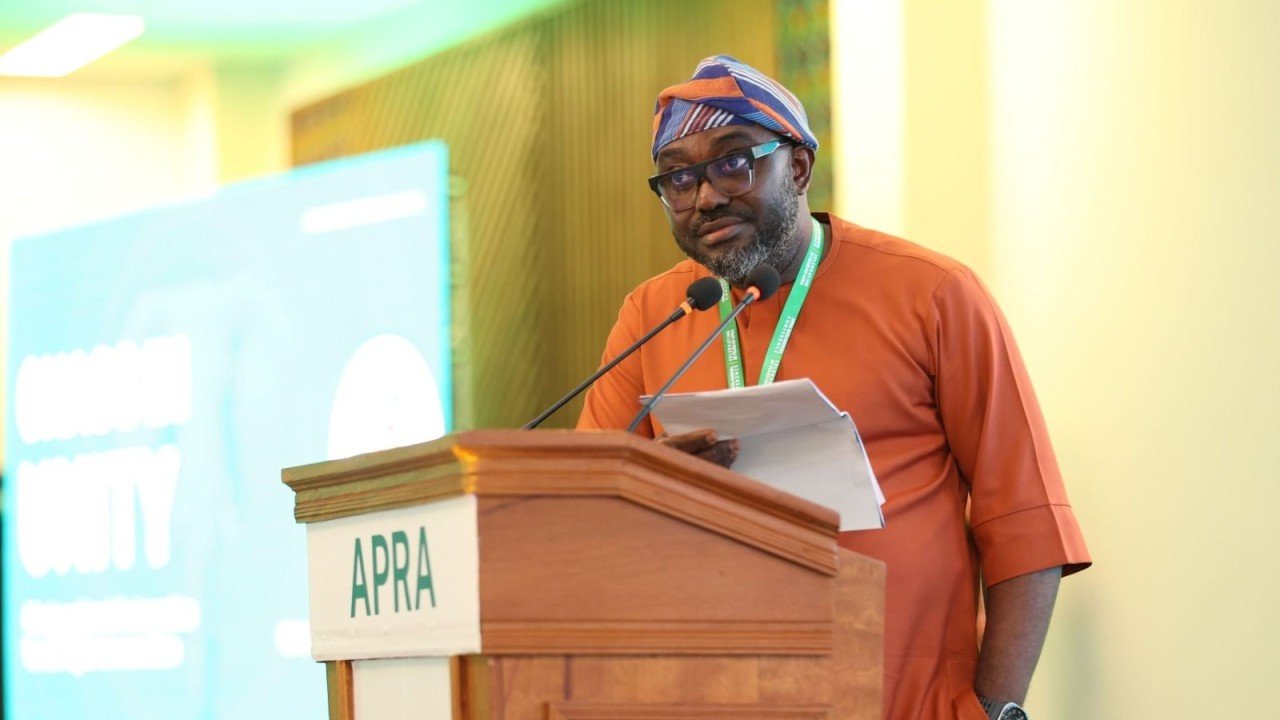
Communications strategist and brand expert, Odion Aleobua has exposed the major flaws responsible for Nigeria’s repeated failure to build a credible national image despite decades of creative slogans and government-backed campaigns.
Speaking on the theme “Why Nation Branding Campaigns Fail: What Nigeria Must Do Differently,” Aleobua said Nigeria’s efforts, from “Nigeria: The Heart of Africa” to “Good People, Great Nation” and more recent National Orientation Agency (NOA) initiatives, have amounted to little more than short-lived publicity stunts without tangible national transformation.
According to Aleobua, Nigeria’s major mistake has been confusing branding with nation-building. He said successful examples like India’s “Make in India” and Rwanda’s “Visit Rwanda” were backed by real reforms, better governance, improved infrastructure, and enhanced citizen welfare, not just catchy taglines.
“You can’t promote greatness when citizens don’t experience it,” Aleobua stressed. “How can a campaign like ‘Great People, Great Nation’ succeed when electricity is unreliable, corruption is rampant, and essential services are collapsing?”
He noted that such contradictions make government messaging hollow, as citizens cannot relate to the ideals being projected.
Aleobua also faulted Nigeria’s reliance on jingles, rallies, and emotional advertising in place of reform-driven strategies supported by verifiable data.
He cited the “Brand Finance Global Soft Power Index 2025”, which ranks Nigeria “77th out of 193 nations”, as proof that while the world knows about Nigeria’s cultural exports like Afrobeats and Nollywood, it still doubts the country’s governance and reliability.
“Soft power works when hard systems work,” Aleobua noted. “Perception cannot outrun performance.”
Using Rwanda as a benchmark, Aleobua said the East African country’s rebranding succeeded because it was rooted in genuine governance reforms, security stability, and human development.
“Nigeria cannot run a ‘Proudly Nigerian’campaign while citizens are battling insecurity, poor service delivery, and institutional failure,” he said. “A brand isn’t declared, it’s demonstrated.”
Drawing from corporate branding logic, Aleobua compared Nigeria’s situation to that of a company selling faulty products under a trusted slogan.
“Nike’s ‘Just Do It’ works because the shoes deliver. If the product fails, the slogan fails,” he said. “Until Nigeria defines what it truly stands for and fixes its governance systems, all these campaigns will remain empty noise.”
Aleobua criticised the tendency of successive governments to treat nation branding as a one-off media event rather than a continuous performance-driven process.
He said authentic reputation management requires long-term consistency, reliable data, and policy continuity, not “launch-day photo ops.”
For ‘Brand Nigeria’ to gain credibility, Aleobua outlined key reforms necessary for rebuilding trust at home and abroad, and they cut across establishing a Citizen Charter, which entails a permanent national pact guaranteeing fairness, accountability, service delivery, and respect for the rule of law to achieve.
In a similar vein, he called for investment in public Infrastructure and against the backdrop urged the government to develop inclusive, world-class public facilities, hospitals, libraries, airports, and theatres that visibly serve ordinary Nigerians, not just elites.
Also in a similar vein, he suggested that reimagining Nigeria’s Competitive Culture with replacement of nepotism with meritocracy, transparency, and measurable performance across sectors.
Aleobua called for the institutionalisation of monitoring and accountability, and the introduction of ombudsmen to track public service delivery and ensure citizens can hold institutions accountable.
“Brand Nigeria will never rise on slogans,” Aleobua concluded. “It will rise on systems, when the government earns credibility, delivers results, and lets performance speak louder than posters.”
Read the full article here