








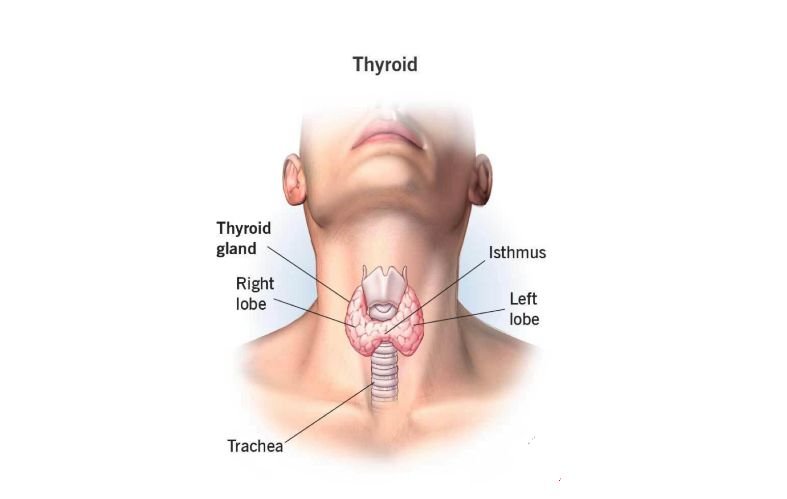
Thyroid disorders are a group of conditions that affect the normal functioning of the thyroid gland, a small, butterfly-shaped organ located at the front of the lower neck.
Though small, the gland plays a critical role in regulating several vital body processes
Speaking with PT Health Watch, Yahaya Mohammed, a medical doctor at the National Hospital, Abuja, explained how the thyroid gland functions, the common disorders that affect it, the warning signs people often overlook, and why early diagnosis is crucial for effective management.
Why the thyroid gland matters
Mr Mohammed explains that the thyroid is a key endocrine organ responsible for producing hormones such as thyroxine T4, triiodothyronine T3 and calcitonin. These hormones regulate how the body uses energy, influence metabolism, and help to maintain normal body temperature.
Beyond this, the gland supports brain function, regulates heart rate, influences weight, and contributes to growth, development and reproductive health.
“When the thyroid is not functioning properly, multiple systems in the body can be affected,” he said, noting that its impact extends far beyond the neck where it is located.
Common thyroid disorders, symptoms
According to Mr Mohammed, the most frequently diagnosed thyroid conditions are hypothyroidism, which occurs when the gland becomes underactive, and hyperthyroidism, when it becomes overactive.
He noted that other conditions include goitre, which refers to an enlargement of the thyroid gland, and thyroid cancer.
He added that distinguishing between these disorders based on symptoms alone can be difficult because many of the signs overlap.
“It is difficult to tell the difference between thyroid conditions without proper evaluation. Physical examination and laboratory testing are essential for accurate diagnosis,” he said.
Mr Mohammed noted that many symptoms associated with thyroid disorders are frequently dismissed as stress, hormonal changes or lifestyle-related issues.
He, however, warned that persistent or unexplained symptoms should not be ignored.
He listed difficulty tolerating cold or heat, unexplained weight gain or weight loss, unusually slow or rapid heart rate, irregular menstrual cycles, and mood changes such as depression or anxiety as possible early warning signs.
“These symptoms may appear mild at first, but when they persist, medical evaluation becomes important,” he added.
Who is most at risk?
While thyroid disorders can affect people of any age, certain groups are more vulnerable.
Individuals living with autoimmune diseases and those with a family history of thyroid conditions face increased risk.
Postpartum women and people who have previously undergone thyroid treatment are also more likely to develop thyroid problems.
Mr Mohammed further explained that the use of medications containing high levels of iodine, as well as significant hormonal changes, may contribute to the development of thyroid disorders.
He added that lifestyle and environmental factors such as smoking, prolonged stress, radiation exposure and iodine imbalance have also been linked to thyroid dysfunction.
Diagnosis and management
Regarding thyroid disorders, Mr Mohammed said the process usually begins with a careful clinical evaluation, supported by laboratory investigations.
He explained that during a physical examination, doctors look for signs such as neck swelling, tremors, or changes in heart rate that may suggest thyroid dysfunction.
This is often followed by blood tests to measure thyroid-stimulating hormone, T3 and T4 levels, which help determine whether the gland is underactive or overactive.
READ ALSO: PT Health Watch: Hormonal Imbalance in Men – Symptoms, causes and when to seek help
Where necessary, imaging studies may be requested to evaluate nodules or detect structural abnormalities in the gland.
He added that management is guided by the specific diagnosis and the severity of the condition.
Treatment may involve medications to correct hormone imbalance, surgical intervention, or radiation therapy. In cases involving thyroid cancer, chemotherapy may also be required.
Despite the possible complications, Mr Mohammed stressed that thyroid disorders are largely manageable when detected early.
Read the full article here