




What is pancreatic cancer?
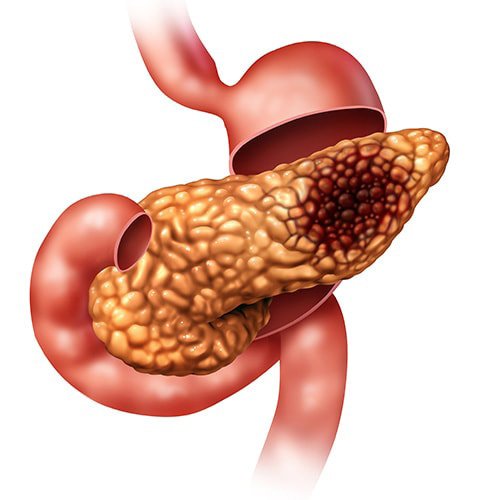
— Pancreatic cancer happens when normal cells in the pancreas change into abnormal cells and grow out of control. The pancreas is an organ that sits behind the stomach. It makes hormones and juices that help the body break down food.
In Nigeria, Pancreatic cancer is the 15th most common cancer as it not very common. However, it is a lethal disease as it is difficult to manage due to a lack of awareness, late diagnosis, and a lack of access to proper care.
What Are Risk Factors for pancreatic cancer?
Smoking or tobacco use
History of diabetes
Chronic pancreatitis
Stomach ulcer
Obesity
Helicobacter pylori infection
Chronic pancreatitis
Genetics or strong family history of pancreatic cancer
What are the symptoms of pancreatic cancer?
Pancreatic cancer can be difficult to diagnose early because it often doesn›t cause symptoms until it has spread to other organs. Symptoms include:
Jaundice, a yellowing of the skin or whites of the eyes
Itchy skin
Darker urine
Pale stools
Unexplained weight loss: People might not feel hungry or might feel full after eating very little.
Nausea
Feeling full
Foul-smelling stools: Diarrhea – Bowel movements can look greasy or be difficult to flush in the toilet bowl.
Constipation
Pain – People can have pain that spreads from their stomach area around to their back. The pain can come and go, and it can get worse after eating.
Yellowing of the skin, called jaundice – Both the skin and the white part of the eyes can turn yellow. When jaundice happens in people with pancreatic cancer, it is usually because one of the tubes that carry bile from the gallbladder to the intestines is blocked. (The gallbladder is a small, pear-shaped organ that stores bile, a fluid that helps the body break down fat.) If a bile duct gets blocked, it can also cause your bowel movements to look gray instead of brown.
These symptoms can also be caused by conditions that are not pancreatic cancer. But if you have these symptoms, tell your healthcare provider about them.
Is there a test for pancreatic cancer?
— Yes. If your healthcare provider suspects you have pancreatic cancer, he or she will order one or more tests. These can include:
¡Blood tests
¡ Imaging tests, such as an ultrasound, a CT scan, or a test called ERCP (which stands for endoscopic retrograde cholangiopancreatography) – These tests create pictures of the inside of the body and can show abnormal growths.
¡Biopsy – For a biopsy, a healthcare provider takes a small sample of tissue from the pancreas. Then a specialist will look at the sample under a microscope to check for cancer.
What is cancer staging?
— Cancer staging is a way in which doctors find out how far a cancer has spread.
The right treatment for you will depend a lot on the stage of your cancer. Your treatment will also depend on your age and other medical problems.
How is pancreatic cancer treated?
— People with pancreatic cancer might be offered one or more of the following treatments:
¡Surgery: Pancreatic cancer can sometimes be treated with surgery to remove the cancer. Before surgery, a doctor might do a procedure called “laparoscopy.” In a laparoscopy, a doctor will make small cuts in the belly. He or she will put a thin tube with a camera on it inside the belly to check wh e t h e r there is spread of cancer outside of the pancreas.
¡Chemot h e r a p y : C h e m o therapy is the term doctors use to describe a group of medicines that kill cancer cells.
¡ Radiation therapy: Radiation kills cancer cells.
Pancreatic cancer can sometimes be cured with treatment. This is most likely in people whose cancer is found at an early stage. Even if your pancreatic cancer cannot be cured, your doctor can treat your symptoms. For example, he or she can prescribe medicine, or a procedure called a celiac plexus block to reduce your pain.
What happens after treatment?
— Following treatment, you will be checked every so often to see if the cancer comes back. Follow up tests usually include exams, blood tests, and imaging tests. If the cancer comes back after treatment, you might have chemotherapy or radiation therapy. You might also get pain medicine or other treatments to help with pain.
What else should I do?
— It is important to follow all your doctors› instructions about visits and tests. It›s also important to talk to your doctor about any side effects or problems you have during treatment.
Getting treated for pancreatic cancer involves making many choices, such as which treatment to have.
Always let your healthcare providers know how you feel about a treatment. Any time you are offered a treatment, ask:
¡What are the benefits of this treatment? Is it likely to help me live longer? Will it reduce or prevent symptoms?
¡What are the downsides to this treatment?
¡Are there other options besides this treatment?
¡What happens if I do not have this treatment?
Pancreatic enzyme replacement therapy (PERT) can help with digestion and weight maintenance if you’ve lost weight.
What is the prognosis of pancreatic cancer in Nigeria?
The prognosis for pancreatic cancer in Nigeria is poor, with a high rate of advanced diagnosis and death. The one-year survival rate is 20%.
MKO Abimbola holds a doctoral degree in physician associate studies from the United States of America. He is a Harvard Medical School scholar. He specializes in Internal medicine, Acute care, Emergency Medicine, Geriatrics, Psychiatry, and Surgical services.
Read the full article here