




The federal government will, on Wednesday, hold an emergency meeting with experts in the private sector in an attempt to quell growing discontent over a controversial levy imposed by the Financial Reporting Council of Nigeria (FRCN).
The new development comes to play amid concerns that the measure may erode investor confidence and complicate the country’s broader economic reform agenda.
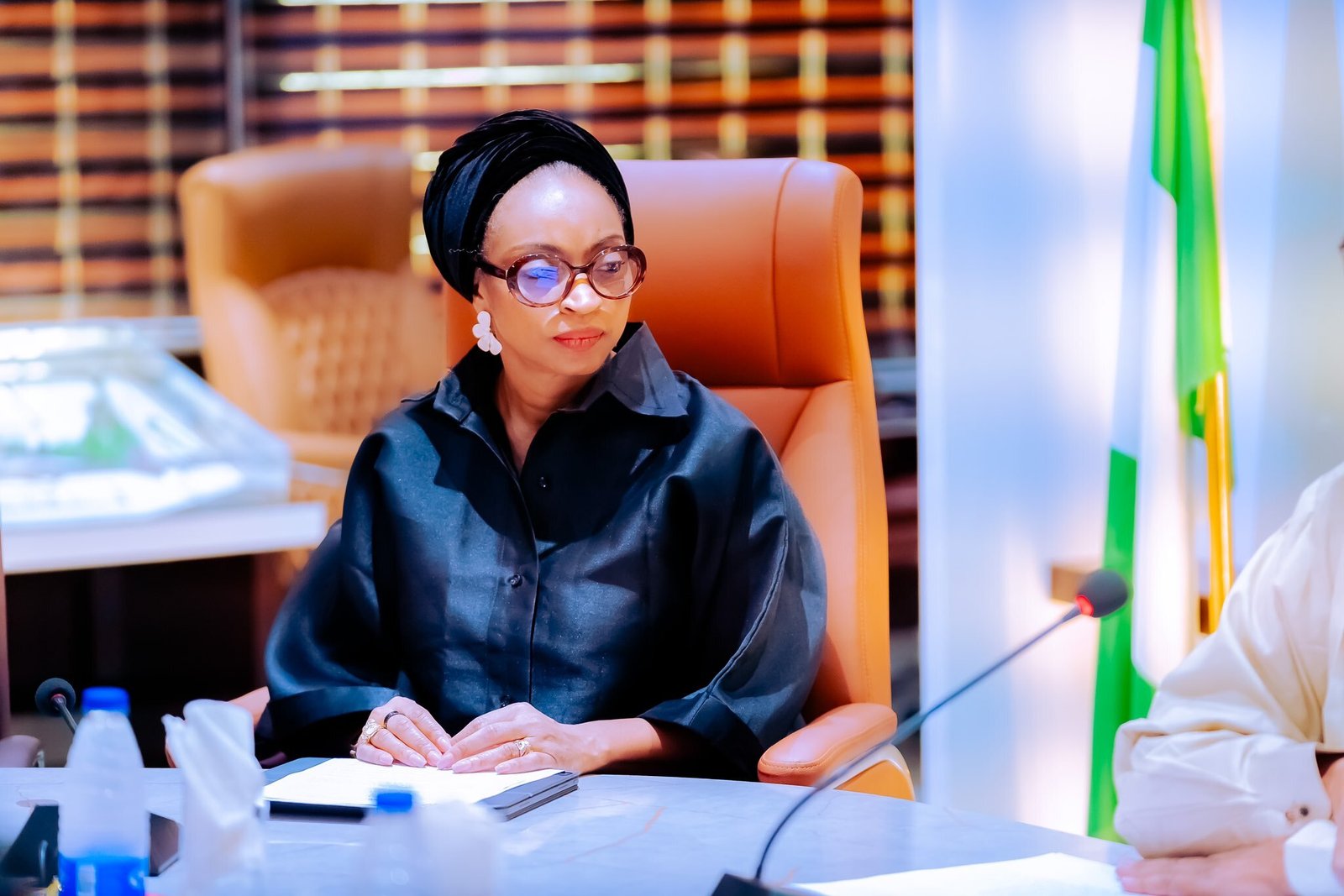
The forum, scheduled to take place in Abuja, is being convened by the Minister of Industry, Trade and Investment, Jumoke Oduwole.
According to a press statement released by the ministry on Tuesday, the decision follows sustained criticism from the organised private sector over the FRCN’s revised approach to annual dues for Public Interest Entities (PIEs), which now includes a wider array of companies not previously captured by the levy regime.
At the centre of the dispute is Section 33(1)(c) of the FRCN Act, which mandates that quoted companies pay 0.002 per cent of their market capitalisation or N25 million, whichever is lower, as annual dues.
However, recent amendments to the Act have expanded the PIE designation to include large private companies, concessionaires, and privatised entities — a move stakeholders say was enacted without adequate consultation and threatens to increase regulatory and financial burdens.
Mrs Oduwole described the meeting as a platform for “constructive dialogue around regulatory policies”, adding that the ministry remained committed to ensuring that businesses of all sizes are treated fairly under the current framework.
“This is critical to enhancing business competitiveness and aligning with Nigeria’s broader economic transformation agenda,” she said.
Also, the Presidential Enabling Business Environment Council (PEBEC), chaired by Vice President Kashim Shettima, also hinted at engaging stakeholders on the matter.
In a separate statement, PEBEC Director General Zahrah Audu acknowledged the unease surrounding the reforms and reaffirmed the council’s commitment to transparency, investor protection, and evidence-based regulation.
The Manufacturers Association of Nigeria (MAN) had earlier opposed the levy. In a statement, its Director General, Segun Ajayi-Kadir, said the charges pose serious challenges to manufacturers, most of whom are unlisted but now fall under the expanded definition of Public Interest Entities (PIEs) in the Act.
“For publicly quoted companies, the maximum payment earlier was N1 million per annum. Now, that amount is hiked to N25 million! Quite incredibly, for non-listed companies, who were previously excluded, there is no cap and it is linked to the turnover, irrespective if the company is profitable or not,” he said.
The timing of the reforms has drawn criticisms as Nigerian businesses grapple with rising operating costs, currency volatility, and declining consumer demand.
Read the full article here