








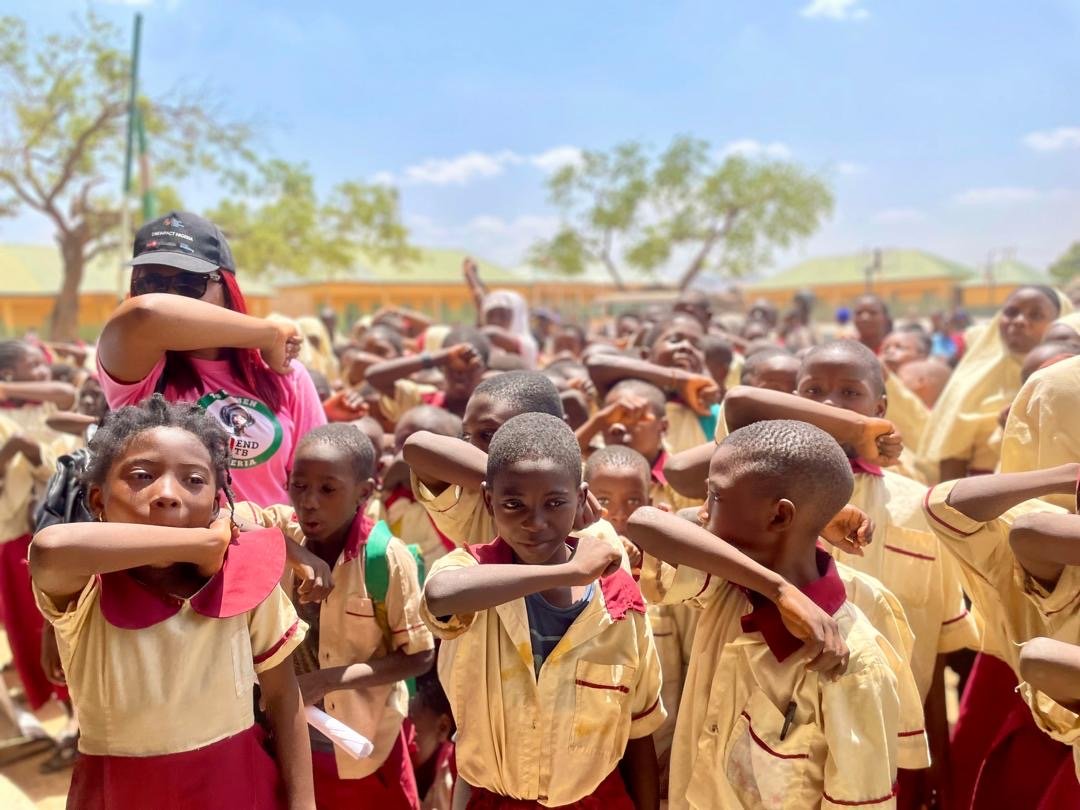
A health organisation, Debriche Health Development Centre (DHDC), in collaboration with the Federal Capital Territory (FCT) Tuberculosis and Leprosy Control Programme, has taken tuberculosis (TB) awareness, screening, and testing services directly to communities and schools in Abuja.
According to a statement shared with PREMIUM TIMES on Thursday, the outreach, conducted to mark the 2026 World TB Day, targeted residents of Karshi and Dutsen Alhaji in Bwari, including children and teachers, as part of efforts to identify undetected cases and improve access to care.
The outreach was designed to provide “comprehensive TB awareness, immediate screening, and on-the-spot testing for persons who might otherwise fall through the cracks of the standard health system.”
An infectious disease
Tuberculosis is caused by the bacterium Mycobacterium tuberculosis. It primarily affects the lungs, a condition known as pulmonary TB, but can also impact other organs, including the kidneys, spine, and brain.
The disease spreads through the air when an infected person coughs, sneezes, or spits. Many people carry TB in a latent form, which does not cause symptoms, but the infection can become active and potentially life-threatening if the immune system is weakened.


Groups at higher risk of developing active TB include people living with HIV, those with diabetes or undernutrition, and individuals who consume tobacco or alcohol.
Common signs of TB include a persistent cough lasting more than two weeks, coughing up blood, chest pain, fatigue, weight loss, fever, and night sweats.
Globally, and according to the 2024 WHO global TB report, an estimated 10.8 million people developed TB in 2023, with 1.6 million people losing their lives and 12 per cent of the global burden affecting the most vulnerable – children and young adolescents.
800 screened, 69 flagged for further testing
The group said more than 800 individuals were screened across the two locations. Of this number, 69 were identified as presumptive cases requiring further clinical investigation.
Those confirmed positive have been linked to treatment, care, and support services, with ongoing contact tracing.
Speaking on the outcome, the Executive Director of DHDC, Deborah Ikeh, said early detection remains critical in breaking the chain of transmission.
Ms Ikeh said, “Every person with TB identified early represents a transmission chain broken and a proactive strike against the complex challenge of drug-resistant TB. We are excited about the outcome of this intervention.”
Alignment and awareness
The Childhood TB Focal Person for the FCT TB Programme, Titilayo Ilesanmi, stated that the outreach aligns with broader national efforts to improve TB detection and treatment outcomes.
Ms Ilesanmi said, “This fieldwork aligns directly with the National Tuberculosis and Leprosy Control Programme targets for World TB Day 2026, and we are delighted to have partners like DHDC, ARFH, and KNCV Nigeria with us on this journey.”
The initiative was supported by the Stop TB Partnership through its Challenge Facility for Civil Society (CFCS) 2025, alongside other implementing partners.
Beyond screening, the intervention also focused on education, particularly among school children.
At Karshi, a school head teacher, Shafiratu Adha, said the programme improved understanding of the disease among students and staff.
Ms Ahda said, “This programme is an eye opener for all of us here in this school. We are now better informed of TB, its signs and symptoms and the help that is available.”
She also called for an end to stigma against people living with TB noting that people with TB are not to be stigmatised and calling on community members to consider them as humans.
READ ALSO: Anambra deploys tricycles to boost grassroots tuberculosis testing
The outreach highlights the reliance on community-based interventions to reach populations that may not access routine health services.
DHDC noted that such efforts require sustained logistical and financial support, particularly to reach hard-to-access areas, to ensure they are not left behind.
It added that the interventions remain crucial to ensuring that barriers to accessing TB services are surmounted and systemic health disparities are addressed to achieve the goal to eradicate tuberculosis.
Read the full article here