








Nigeria recorded 440,000 tuberculosis (TB) cases in 2025, but health authorities warn that thousands of infections remain undiagnosed, posing a continued public health threat.
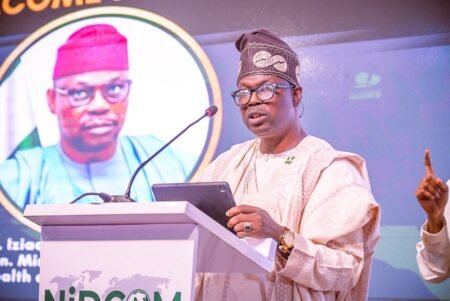
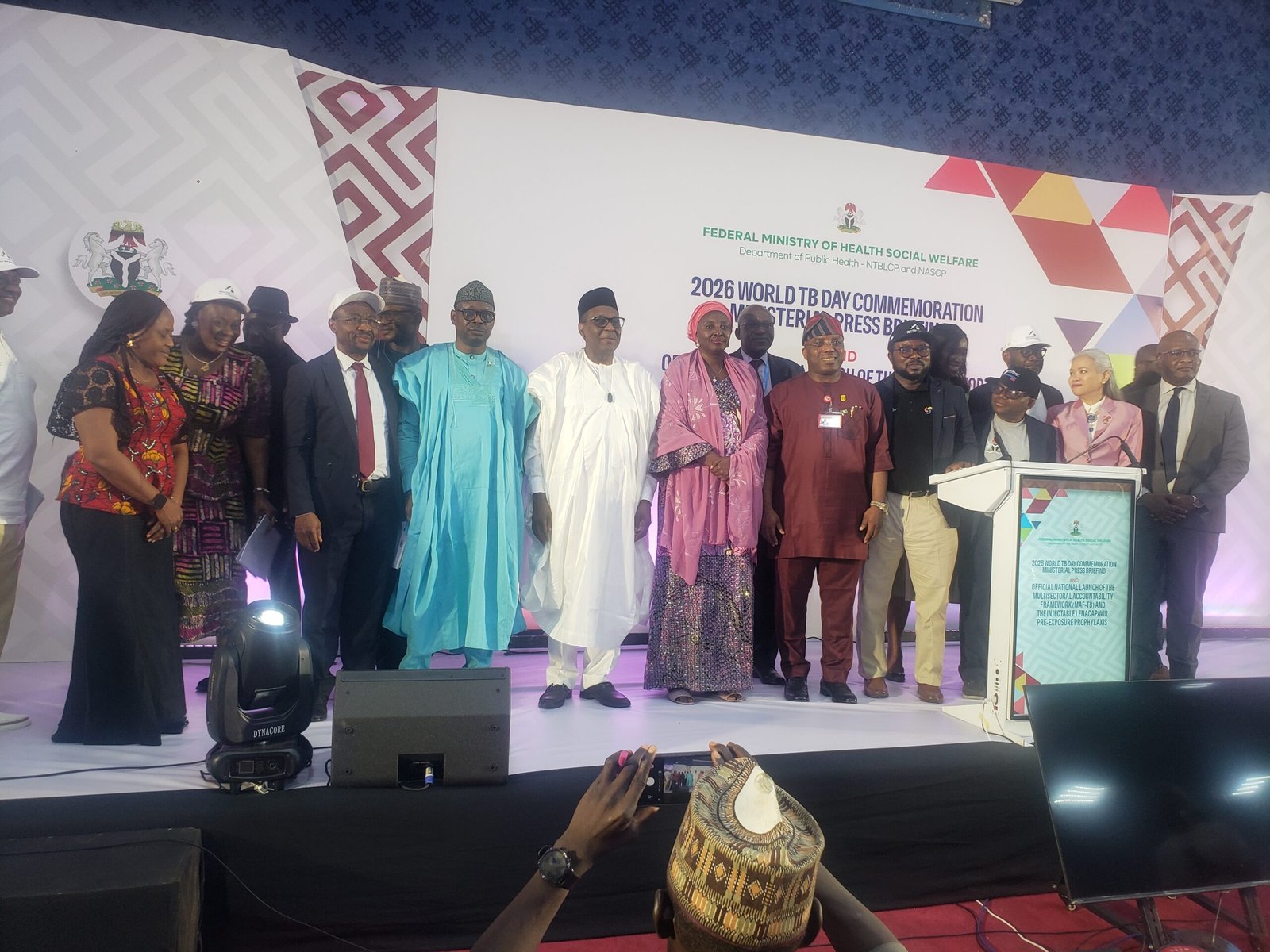
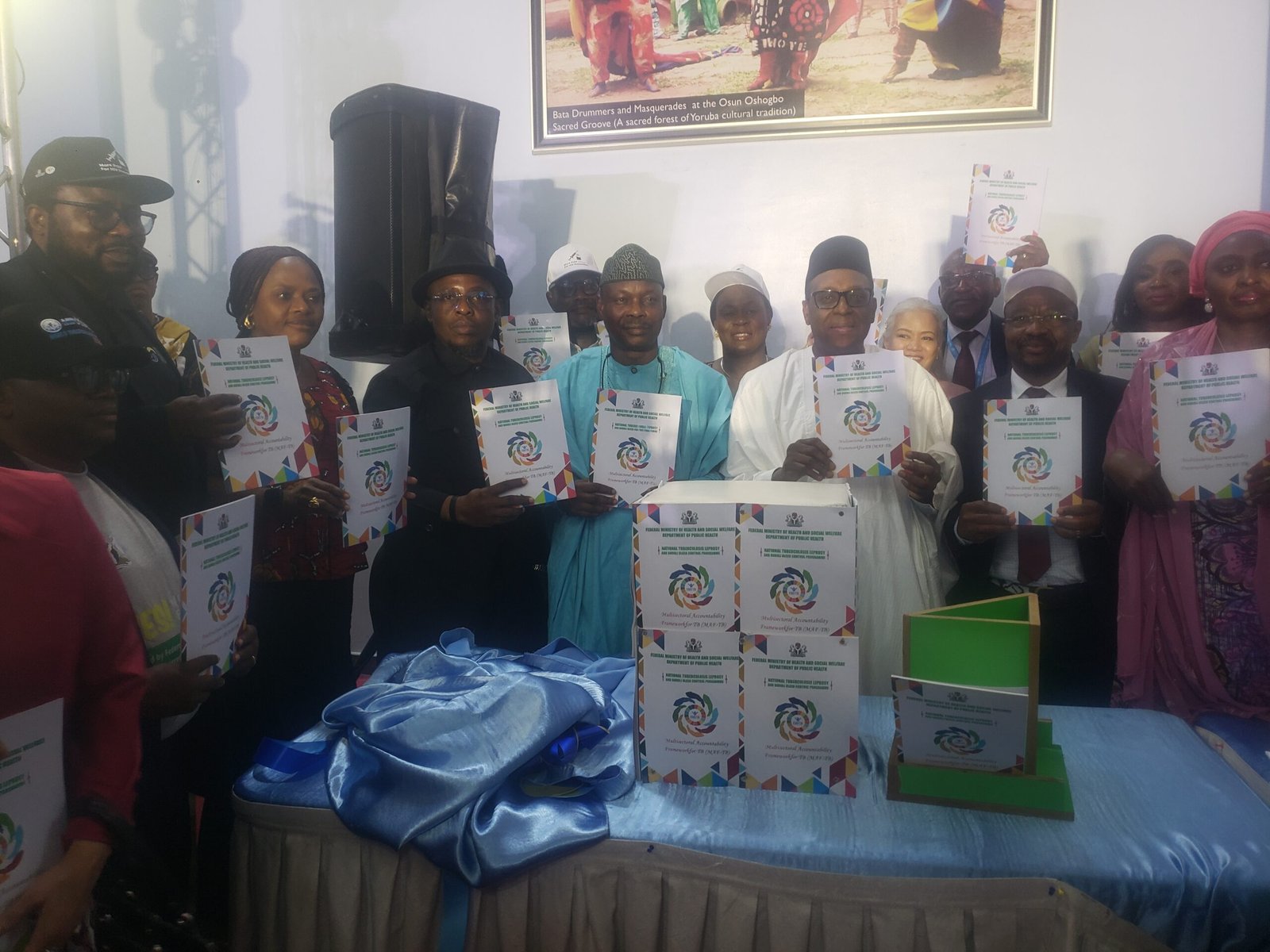
The Minister of State for Health and Social Welfare, Iziaq Salako, disclosed this during a ministerial press briefing to mark the 2026 World TB Day in Abuja on Tuesday. The event also featured the launch of the Multisectoral Accountability Framework for TB (MAF-TB), designed to track commitments and improve coordination across all levels of government.
Mr Salako said TB case notifications rose significantly from 138,591 in 2020 to 440,000 in 2025.
He attributed the increase to strategic expansion of diagnostic networks, especially the GeneXpert network, which increased from 32 machines in 2012 to 527 in 2026, and TB-TrueNAT capacity, which grew from 39 units in 2013 to 372 units.
He added that treatment success rates remain high at 94 per cent, reflecting the dedication of healthcare workers and the efficacy of TB medicines.
Despite these gains, he warned that a significant number of TB cases are still missed.
“While we have expanded access and improved diagnostic capacity, undetected cases remain a serious concern. Innovation, expanded access, and sustained domestic financing are critical to reaching these populations,” he said.

Domestic funding and accountability
The minister emphasised that continued success requires strong domestic financing and accountability.
He highlighted the federal government’s commitment, in collaboration with states and local governments, to co-finance strategic health investments, including TB, HIV, and malaria.
“Through sector-wide programmes and coordinated resource use, we can stretch limited resources effectively to achieve results. Accountability and timely release of funds are essential to ensure commodities and services reach those who need them,” he said.
He said the launch of the MAF-TB will allow real-time tracking of commitments, ensuring all stakeholders, including government agencies and communities, are aligned in delivering results.
“This framework will help Nigeria double our commitments, triple it, and multiply it in many forms to ensure that we end TB,” he said.
In his remarks, the Coordinating Minister of Health and Social Welfare, Muhammad Pate, stressed that sustaining Nigeria’s TB gains requires strong domestic financing and careful procurement of commodities.
Mr Pate acknowledged ongoing challenges in sourcing TB commodities and preventing stockouts, stressing the need for a more coordinated and sustainable financing approach.
He added that the government is working toward a coherent, sector-wide approach, bringing all actors together to improve efficiency and effectiveness, and avoiding fragmented, donor-dependent interventions.
Integration, innovation, and accountability
Also speaking, the Director of Public Health at the ministry, Charles Nzelu, said TB remains a leading cause of death among people living with HIV, revealing the importance of strengthening HIV-TB collaboration and ensuring integrated service delivery.
Mr Nzelu said the MAF-TB framework represents a critical step in strengthening multi-sectoral coordination, accountability, and real-time tracking of commitments.
“Today’s event highlights three key pillars for our national response: innovation through preventive technologies, integration across TB and HIV programmes, and accountability through strengthening systems and tools,” he said.
Community engagement and sustainability
The Acting Board Chair of the Stop TB Partnership, Queen Ogbuji-Ladipo, emphasised the role of communities and government leadership in ending TB.
Ms Ogbuji-Ladipo said the 2026 World TB Day theme reinforces that success is achievable when countries take ownership and empower communities.
READ ALSO: Tuberculosis: Remi Tinubu s N1 billion, directs PHC establishment in Abuja community
She urged the government to translate commitments into measurable results and to ensure sustainable domestic funding, noting that declining global health financing makes national ownership essential.
“We are committed to advocacy, partnership, and domestic resource mobilisation. Today, led by the government and powered by communities, we can end TB in Nigeria,” she said.
Read the full article here