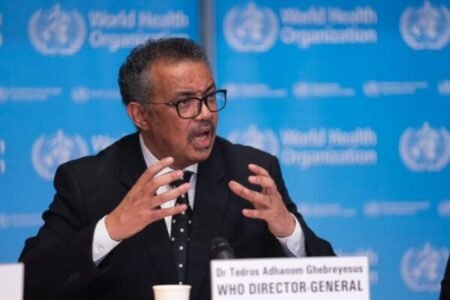









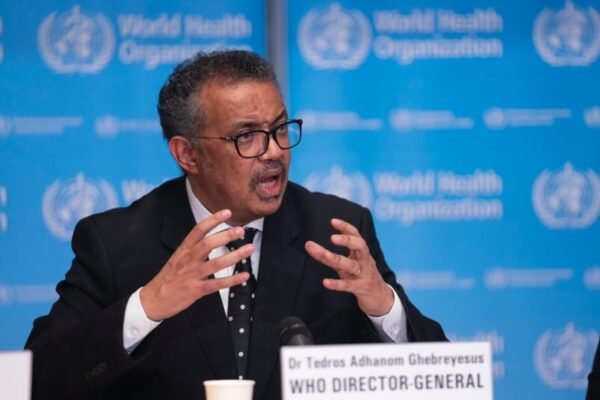
The Director-General of the World Health Organisation, Tedros Ghebreyesus, has condemned the killing of 14 health workers in southern Lebanon, describing the attacks as a tragic escalation in the ongoing US/Israel-Iran war.
In a post on X on Saturday, Mr Ghebreyesus said the deaths occurred within 24 hours following Israeli strikes on health facilities in southern Lebanon.
According to him, the WHO confirmed that 12 doctors, nurses and paramedics were killed in a strike late Friday on the Bourj Qalaouiyeh Primary Healthcare Centre, while two paramedics lost their lives hours earlier in attacks on a health facility in Al Sowana.
“The killings in the last 24 hours of 14 health workers in southern Lebanon mark a tragic development in the escalating Middle East crisis,” Mr Ghebreyesus wrote.
Rising attacks on healthcare
Mr Ghebreyesus said the incidents highlight the pressure on Lebanon’s health system as hostilities intensify across the region.
He noted that since 2 March, the WHO has verified 27 attacks on healthcare facilities in Lebanon, resulting in 30 deaths and 35 injuries, including the latest incidents involving the 14 health workers.
“These incidents highlight the ongoing assault on Lebanon’s healthcare system, which is crucial for the populations it serves,” he said.
The WHO chief stressed that health workers, patients and medical facilities must always be protected, noting that attacks on healthcare violate international humanitarian law.
“Medical personnel and facilities should never be attacked or militarised,” Mr Ghebreyesus said.
He warned that the intensification of the conflict in Lebanon and across the wider Middle East increases the likelihood of similar tragedies unless urgent steps are taken to de-escalate the crisis.
War disrupting medical aid
The latest attacks come amid growing concerns about the health impact of the war across the region.
Earlier, the WHO warned that temporary airspace restrictions linked to the war are disrupting the movement of emergency medical supplies from its global logistics hub in Dubai.
In a statement on Wednesday, the agency said more than 50 urgent supply requests intended to benefit over 1.5 million people across 25 countries have been delayed due to the restrictions.
Priority shipments affected include medical supplies planned for Al Arish in Egypt to support the Gaza response, as well as essential medical items meant for Lebanon and Afghanistan.
The organisation also confirmed that a shipment containing cholera response supplies for Mozambique is expected to depart the hub in the coming week.
Humanitarian crisis

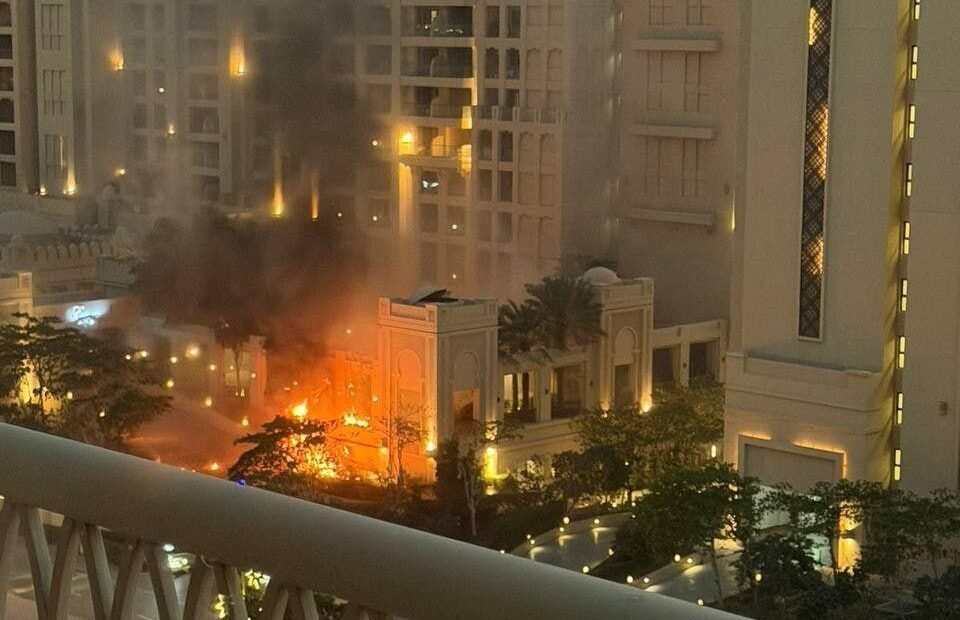
Humanitarian agencies have also warned of worsening displacement across the region as hostilities continue.
The United Nations High Commissioner for Refugees said at least 3.2 million people have been displaced in Iran since the joint US and Israeli strikes began on 28 February.
According to the agency, many of those displaced are fleeing Tehran and other major urban areas to northern and rural parts of the country in search of safety.
The agency warned that the number of displaced people could continue to rise if the conflict persists, raising fears of a deepening humanitarian crisis.
READ ALSO:US/Israel-Iran War (Day 16): Trump asks countries to send warships to Hormuz
Calls for de-escalation
Mr Ghebreyesus reiterated the WHO’s call for all parties involved in the conflict to prioritise civilian safety and protect healthcare services.
He said governments and armed groups must uphold international humanitarian law and ensure that health workers and facilities are not targeted.
The WHO has repeatedly urged parties to protect civilians and healthcare, ensure sustained humanitarian access and pursue de-escalation of the conflict so communities can begin to recover and move toward peace.
The latest war in Lebanon started after Hezbollah fired rockets at Israel following the Israeli killing of Iranian leader, Ayatollah Ali Khameini, in missile strikes.
Hezbollah is a Shia militia and political group in Lebanon that is aligned with Iran.
The war by Israel and the US on Iran has led to over 1,400 deaths, the majority of them in Iran.
Read the full article here