






The World Health Organisation (WHO) has raised fresh concerns over the worsening Ebola outbreak in the Democratic Republic of the Congo (DRC), warning that ongoing violence and humanitarian challenges are hampering efforts to contain the disease.
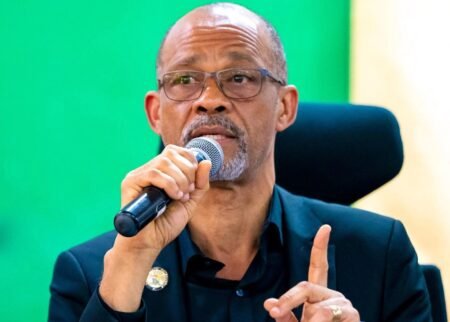
WHO Director-General, Tedros Ghebreyesus, disclosed on Sunday in a post on X that more than 900 suspected Ebola cases have so far been identified in the DRC, including 101 confirmed infections and 220 suspected deaths.
The latest outbreak, caused by the Bundibugyo strain of the Ebola virus, has also spread beyond the DRC, with neighbouring Uganda recording two additional confirmed cases among healthcare workers, bringing its total to seven confirmed cases and one death.
WHO had declared the outbreak a Public Health Emergency of International Concern (PHEIC) following confirmed cross-border infections.
Emergency funds
The WHO had earlier announced the release of $3.9 million from its Contingency Fund for Emergencies to strengthen response efforts in the DRC and neighbouring Uganda.
It also said it is setting up a continental Incident Management Support Team with the Africa Centres for Disease Control and Prevention to coordinate and scale up the outbreak response.
Mr Ghebreyesus said the national risk level in the DRC had been raised to “very high” because of rapid transmission and the absence of approved vaccines or therapeutics for the Bundibugyo strain.
He added that the health agency is finalising a multi-agency Strategic Preparedness and Response Plan aligned with national response plans for DRC and Uganda, while expanding contact tracing, treatment centres, laboratory capacity and community engagement.
Disease in conflict zone
Mr Ghebreyesus said the outbreak is centred in Ituri Province, a conflict-ridden region where nearly five million people are living amid insecurity and a humanitarian crisis.
He added that “1 in 4 people are in need of humanitarian assistance, and 1 in 5 are internally displaced.”
“The violence is forcing people to flee, including health and humanitarian workers. This is severely impeding efforts to scale up Ebola contact tracing and identify infections early enough to provide supportive care,” he stated.
He added that ongoing insecurity and fear are also “fueling mistrust within communities,” a development that could further complicate containment efforts.
Providing an update on the outbreak, Mr Ghebreyesus said 101 Ebola cases had been confirmed in the DRC, including 10 confirmed deaths.
Health interventions
Despite the challenges, Mr Ghebreyesus said WHO and its humanitarian partners are maintaining operations across Ituri, including in “some of the hardest-to-reach and most insecure areas.”
He said health partners are also supporting the delivery of maternal, newborn, child and adolescent healthcare; treatment for severe acute malnutrition; mental health services, wound care and support for survivors of sexual violence; medical supplies; routine immunisation; community health services.
READ ALSO: WHO releases emergency funds as Ebola response scales in DRC, Uganda
“Delivering a comprehensive package of healthcare services is essential,” he said, adding that such interventions were necessary “not only to meet urgent health needs, but also to build the trust that is critical for an effective Ebola response.”
More cases expected
Mr Ghebreyesus said response efforts are being intensified in collaboration with health partners, but warned that more infections are likely to be detected in the coming days and weeks.
“The sooner we can trace people with infections and identify their contacts, the sooner we can provide the care they need and bring this outbreak under control,” he said.
Read the full article here